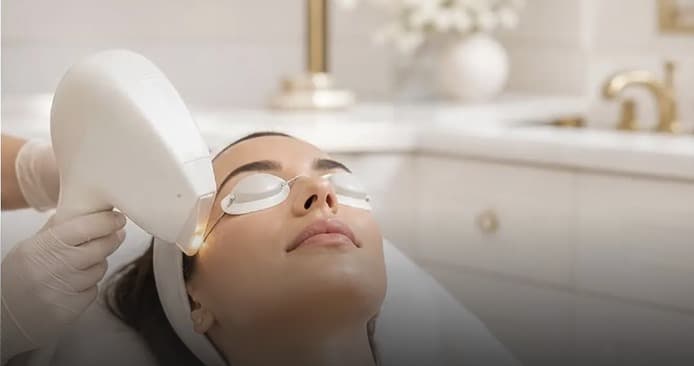
Rosacea Treatment Sydney 2026: The Complete Guide to Calming Redness, Flushing & Sensitive Skin
If you've spent years hiding behind heavy foundation, turning down spicy food at restaurants, and dreading every exercise class because of what it does to your face — this guide is for you.
Rosacea is one of the most misunderstood chronic skin conditions in Australia. It affects an estimated 1 in 10 adults, yet many people don't even know they have it. They just think they "flush easily" or have "sensitive skin" or that their redness is something they have to live with.
They don't.
As a beauty therapist with years of experience treating sensitive and rosacea-prone skin in Sydney, I've watched people transform their relationship with their complexion through the right combination of professional treatment and smart skincare. This guide covers everything — the science, the triggers, the treatments available right now, and what's working for our clients in 2026.
What Is Rosacea, Really?
Rosacea is a chronic inflammatory skin condition that primarily affects the central face — cheeks, nose, chin, and forehead. It's characterised by persistent or episodic redness, visible blood vessels, and in some cases, bumps and pimples that can be mistaken for adult acne.
The National Rosacea Society recognises several major phenotypes (observable signs), which is why two people with rosacea can look completely different:
- Persistent facial erythema — fixed redness that doesn't go away
- Flushing/transient redness — episodes of intense redness triggered by heat, exercise, alcohol, etc.
- Papules and pustules — inflammatory bumps (distinct from acne)
- Telangiectasia — small visible blood vessels (spider veins) on the face
- Phymatous changes — skin thickening, most commonly the nose (rhinophyma)
- Ocular rosacea — eye irritation, dryness, and sensitivity
The underlying mechanisms are now well understood. Rosacea involves neurovascular dysregulation (abnormal blood vessel responses), microbiome disruption, and immune dysfunction — specifically overactivation of cathelicidin peptides and inflammatory signalling pathways. In plain English: your skin's blood vessels and immune system are hyperreactive.
There's also a strong genetic component. Twin studies show a 46% genetic contribution, and genome-wide association studies have identified links to genes regulating innate immunity and vascular homeostasis. So if your mum has it, there's a real chance you will too.
Why Sydney Autumn and Winter Are the Worst
Here's something most people don't realise: rosacea is highly seasonal, and May through August are the peak months for flare-ups in Sydney.
Why? Temperature fluctuations.
Rosacea-prone skin is exceptionally sensitive to rapid temperature changes. Walking from a cold, windy street into a warm café. Switching between a hot shower and cool air. The heating coming on in your office after a brisk morning commute. Every one of these transitions triggers vasodilation — your blood vessels rapidly expand — and for rosacea-prone skin, this creates intense, prolonged flushing.
Sydney winters aren't brutal, but they're changeable. The daytime temperatures in May and June swing wildly between cool mornings (10–14°C) and warm afternoons (18–20°C), and the wind comes off the ocean. It's the perfect storm for anyone with reactive skin.
This is exactly why we see a sharp uptick in rosacea-related consultations from May onwards — and why right now, in early May, is an ideal time to establish a treatment plan before the cold really sets in.
Common Rosacea Triggers: Know Your Enemy
Managing rosacea is largely about identifying and avoiding your personal triggers. The most common ones include:
Environmental
- Sun exposure (UV radiation is a primary rosacea trigger)
- Wind and cold
- Temperature extremes and sudden changes
- Hot, humid conditions
Dietary
- Alcohol (particularly red wine and spirits)
- Spicy foods and hot beverages
- Histamine-rich foods: aged cheeses, processed meats, fermented foods
- Very hot food and drinks
Physical and Lifestyle
- Exercise (particularly high-intensity cardio)
- Stress and anxiety
- Hot baths and saunas
- Menstrual cycles and hormonal fluctuations
Skincare and Topical Products
- Alcohol-based products
- Fragrance (a major trigger for many)
- Harsh physical exfoliants
- Some vitamin C formulations
- Certain acids at high concentrations
Keeping a trigger diary for a few weeks — noting what you ate, what you did, and when flares occurred — can be genuinely revelatory. Many people discover that one or two major triggers are responsible for most of their flares.
Professional Rosacea Treatments Available in Sydney
The good news: rosacea is highly treatable, and the options available in 2026 are better than they've ever been. Here's what's available at clinics like ours and what each one actually does.
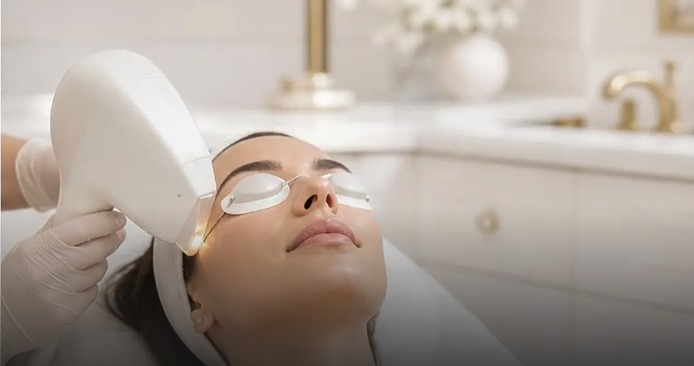
1. LED Light Therapy — Our First-Line Rosacea Treatment
For rosacea, LED light therapy is genuinely one of the most powerful tools we have — and it's something I recommend as the foundation of virtually every rosacea treatment plan.
Here's why it works so well: LED uses specific wavelengths of light to penetrate the skin and trigger biological responses at the cellular level. For rosacea, we primarily use two wavelengths:
Red light (630–660nm): Penetrates deeply into the dermis and has powerful anti-inflammatory properties. It calms the hyperreactive immune response that drives rosacea, reduces visible redness, and strengthens the skin barrier over time. Clinical studies show meaningful reductions in erythema (redness) after a series of treatments.
Near-infrared light (830nm): Penetrates even deeper and targets vascular inflammation. This is particularly useful for persistent erythema and telangiectasia-associated redness.
The best part? LED is completely non-invasive, produces zero heat (crucial for heat-sensitive rosacea skin), and has essentially no downtime. It actually calms the skin rather than aggravating it — which is more than can be said for many treatment options.
A typical course for rosacea involves 6–10 sessions, usually twice weekly, followed by monthly maintenance. Many clients notice a significant reduction in baseline redness within the first 4–6 sessions.
This is exactly what I work with at SkinSpirit, and I've seen it change lives. Clients who came in barely wanting to leave the house without heavy makeup are walking out post-treatment confident in their bare skin.
2. Gentle HydraFacial with Rosacea Protocol
Standard HydraFacial is adaptable for rosacea-prone skin, but it requires a skilled therapist who understands how to modify the treatment. At SkinSpirit, our rosacea-adapted HydraFacial protocol focuses on:
- Gentle extraction only where needed (no aggressive suction)
- Calming and barrier-supportive serums (hyaluronic acid, niacinamide, centella asiatica)
- No harsh exfoliation steps that would aggravate inflammation
- LED finishing step to further calm post-treatment
The goal isn't stripping or resurfacing — it's deeply hydrating the skin, supporting the microbiome, and reducing inflammation. A well-executed HydraFacial leaves rosacea skin noticeably calmer, not redder.
3. Skin Booster Injections — our cosmetic nurse's Expertise
This might surprise people, but skin booster injections — particularly hyaluronic acid-based boosters like water glow injections — can be remarkably beneficial for rosacea-prone skin. Our cosmetic nurse works with several clients who have rosacea as a secondary concern.
Here's the mechanism: rosacea skin is almost universally compromised in its barrier function. A depleted, dehydrated barrier is more reactive, more inflamed, and more prone to flaring. Intradermal hyaluronic acid injections restore deep hydration, plump the skin, and — critically — reduce the TEWL (transepidermal water loss) that exacerbates reactivity.
Clients consistently report that their skin is less reactive, flushes less intensely, and recovers from triggers faster after a course of skin boosters. It doesn't eliminate rosacea, but it meaningfully raises the threshold at which the skin reacts.
Skin boosters for rosacea work best in combination with LED therapy and a corrected skincare routine.
4. Medical-Grade Skincare and Barrier Repair
This isn't a "treatment" in the clinical sense, but it's arguably the most important pillar of rosacea management. Without a solid skincare foundation, in-clinic treatments are fighting an uphill battle.
The non-negotiables for rosacea skin:
Mineral SPF (daily, non-negotiable): UV exposure is the number one trigger for rosacea and worsens vascular damage over time. Mineral (zinc oxide/titanium dioxide) sunscreens are better tolerated than chemical UV filters for reactive skin.
Gentle, fragrance-free cleanser: Nothing stripping. Nothing with alcohol. Nothing with physical scrubbing.
Barrier-focused moisturiser: Look for ceramides, niacinamide, centella asiatica, and hyaluronic acid. Avoid anything with fragrance, high concentrations of retinol (until the barrier is healed), or irritating acids.
Niacinamide: This B-vitamin derivative is one of the most evidence-backed ingredients for rosacea. It reduces redness, supports the skin barrier, and has anti-inflammatory properties. Most rosacea skins tolerate 5–10% concentrations well.
We can guide you on specific product recommendations suited to your skin at a consultation.
What About IPL and Laser?
You'll often see IPL (Intense Pulsed Light) recommended for rosacea, particularly for treating telangiectasia and persistent erythema. IPL works by targeting haemoglobin in visible blood vessels, causing them to collapse and be reabsorbed.
For telangiectasia (spider veins) and established vascular damage, IPL can produce significant results. However, it requires careful patient selection, experienced operators, and is generally not recommended during active flares. It also involves some downtime (redness and minor swelling for a few days).
At SkinSpirit, we focus on the foundational treatments — LED, HydraFacial, and skin boosters — which address the inflammatory root causes rather than targeting the vascular damage downstream. For clients with significant telangiectasia, we may refer to specialist laser/IPL clinics.
Rosacea vs Adult Acne: How to Tell the Difference
This is one of the most common questions we get. Both can cause redness and breakouts, but they're fundamentally different conditions requiring different treatment approaches.
| Feature | Rosacea | Adult Acne | |--------|---------|------------| | Blackheads/whiteheads | Absent | Common | | Location | Central face | Can be anywhere | | Flushing/redness | Characteristic | Unlikely | | Triggers | Heat, exercise, alcohol | Hormonal, dietary | | Skin type | Often normal-dry | Often oily | | Worsened by harsh products | Yes | Sometimes | | Age of onset | Usually 30s–50s | Any age |
If you have persistent facial redness with or without bumps, especially if you also notice flushing episodes, the likelihood of rosacea is high. A consultation will clarify this quickly.
Managing Rosacea in Sydney: A Practical Strategy
Based on what I've seen work for our clients, here's the framework I'd recommend:
Phase 1: Stabilisation (Weeks 1–6)
- Start a rosacea-appropriate skincare routine immediately (gentle cleanser, barrier moisturiser, mineral SPF)
- Identify and minimise your top 2–3 triggers
- Begin a course of LED light therapy (twice weekly)
Phase 2: Active Treatment (Weeks 6–16)
- Continue LED maintenance (monthly)
- Consider skin boosters for hydration and barrier support (our cosmetic nurse can consult)
- Introduce rosacea-adapted HydraFacial (monthly)
- Track improvement in baseline redness, flushing frequency, and recovery time
Phase 3: Long-Term Maintenance
- Monthly or bi-monthly LED top-ups
- Annual review of skincare routine
- Seasonal adjustments (more intensive treatment heading into autumn/winter)
The Psychological Impact — and Why It Matters
This section doesn't often appear in clinical treatment guides, but I think it's essential.
Rosacea has a well-documented psychological impact. Research consistently shows elevated rates of anxiety, social avoidance, and reduced quality of life among people with rosacea — particularly women. The visibility of facial redness creates self-consciousness that affects professional confidence, social interactions, and intimate relationships.
What I tell every client: rosacea is not your fault. It's not caused by drinking too much (that's a stubborn myth). It's not caused by stress alone. It's a chronic physiological condition with a significant genetic component, and it deserves proper medical and aesthetic attention — not makeup concealment and avoidance.
When clients see their rosacea genuinely improve after a course of treatment, the psychological shift is profound. They stop planning their lives around potential flares. They stop dreading summer. They stop wearing heavy coverage foundation on warm days. These aren't small things — they're quality of life transformations.
Rosacea Skincare Ingredients: What to Look For (and Avoid)
💚 Rosacea-Friendly Ingredients
- Niacinamide (B3) — anti-inflammatory, barrier-supporting, reduces redness
- Ceramides — restores barrier integrity
- Centella asiatica (Cica) — intensely soothing, wound-healing, anti-inflammatory
- Hyaluronic acid — hydration without irritation
- Azelaic acid (low concentration, 5–10%) — evidence-based for rosacea papules/pustules
- Zinc oxide (in SPF) — physical UV filter, soothing
- Allantoin — calming, barrier-supporting
- Beta-glucan — anti-inflammatory, barrier repair
⚠️ Ingredients to Avoid or Approach Cautiously
- Fragrance — one of the most common rosacea irritants
- Alcohol (denat/isopropyl) — drying and vasodilating
- Menthol, eucalyptus, camphor — feel cooling but can trigger flushing
- High-concentration retinoids — start low, slow, and only when barrier is stable
- Physical scrubs/exfoliants — avoid entirely during flares
- AHAs at high concentrations — can be integrated carefully but not during active inflammation
Frequently Asked Questions
Can rosacea be cured? Rosacea is a chronic condition — it can be very effectively managed and kept in remission, but there's no permanent cure. The good news is that with the right approach, many people keep it almost entirely under control.
Is rosacea worse in winter? In Sydney, yes — the temperature swings between indoor heating and outdoor cold are significant rosacea triggers. Autumn and winter are when we see the most flares and most new consultations.
Will LED therapy alone fix my rosacea? LED is a powerful tool but works best as part of a holistic approach: corrected skincare, trigger management, and complementary treatments like skin boosters or HydraFacial.
How long before I see results? Most clients notice reduced baseline redness and less intense flushing episodes within 4–6 LED sessions. Significant, sustainable improvement typically takes 3–4 months of consistent treatment.
Can I wear makeup over rosacea? Yes — mineral-based foundations and concealers are generally better tolerated than liquid/cream products with silicones and fragrance. That said, the goal of treatment is getting to a point where you don't feel like you need it.
Is rosacea the same as sensitive skin? Not exactly. Rosacea is a specific diagnosable condition; "sensitive skin" is a descriptor. Many people with rosacea do have sensitive skin, but not all sensitive skin is rosacea. If you're unsure, a consultation will clarify.
Book a Rosacea Consultation at SkinSpirit Sydney
If you're living with persistent facial redness, recurring flares, or skin that never quite settles — you don't have to keep managing it alone.
At SkinSpirit, we offer personalised rosacea consultations to assess your skin, identify your specific triggers and phenotype, and build a treatment plan that actually works for your life. Whether that's LED therapy with our senior beauty therapist, skin booster injections with our cosmetic nurse, or a combination approach — we'll find what your skin needs.
Winter is coming. Let's get ahead of your skin before it does.
Book your rosacea consultation →
our senior beauty therapist is SkinSpirit's lead beauty therapist, specialising in skin health, sensitive skin, and evidence-based facial treatments. She consults across all skin conditions including rosacea, acne, pigmentation, and ageing skin.