Perimenopause & Menopause Skin in Sydney: The 2026 Aesthetic Treatment Guide
Somewhere in your forties — sometimes earlier, sometimes later — you may notice your skin behaving like a stranger. Moisturisers that worked for a decade suddenly sit on the surface. Fine lines you swore weren't there last year now hold makeup. Your jawline feels softer when you tilt your head. Pigmentation patches resurface from summers long past. And that unmistakable mid-cheek flush appears at the most inconvenient moments.
This isn't your imagination, and it isn't a failure of your routine. It's perimenopause — the hormonal transition that begins, on average, four to eight years before menopause itself — and it changes the rules of skin ageing in ways no twenty-something serum can fix.
In Sydney's clinics in 2026, women aged 40 to 60 are now the fastest-growing demographic seeking aesthetic care. They're also the most informed, the most discerning, and the most frustrated by skincare advice written for somebody else's hormones. This guide is for them.
What Actually Happens to Skin in Perimenopause
Estrogen is the unsung hero of skin biology. It maintains collagen synthesis, supports hyaluronic acid production, regulates sebum, modulates inflammation, and even influences how your skin responds to UV damage. As ovarian estrogen production becomes erratic in perimenopause and then drops sharply at menopause, every single one of those functions is affected.
The numbers are sobering. Research published over the past decade consistently shows that women lose approximately 30% of dermal collagen in the first five years after menopause, with continued loss of around 2% per year thereafter. Skin thickness declines by roughly 1.13% per post-menopausal year. Hyaluronic acid content drops. Wound healing slows. The cumulative effect is a face that feels and looks fundamentally different — not just older, but structurally changed.
Common skin symptoms in this transition include:
- Accelerated volume loss in the cheeks, temples and around the mouth
- Jowling and jawline softening as ligaments weaken and fat pads descend
- Persistent dryness and flakiness that ordinary moisturisers can't satisfy
- Hormonal acne, often along the jawline and chin
- Melasma flares triggered by fluctuating estrogen
- Adult-onset rosacea and reactive flushing
- Crepiness on the neck, décolletage and inner arms
- Thinning hair at the temples and crown
- Slower recovery from any inflammation or treatment
The frustrating truth is that the products and treatments that worked in your thirties often stop working — or even start irritating — once your barrier function and hormonal signalling change.
Building a Hormonally-Aware Skincare Routine
Before any in-clinic treatment, the foundation is a routine that respects a more reactive, drier, thinner skin barrier. The goals shift from "deep cleanse and exfoliate" to "rebuild, hydrate, and protect."
Cleanse gently — twice, never harshly
Switch to cream, milk or oil cleansers. Avoid sulfates, high-foam formulas, and any cleanser that leaves your skin feeling tight. Lukewarm water only — Sydney winter morning faces do not need a hot wash.
Lead with humectants and barrier lipids
Hyaluronic acid serums, polyglutamic acid, glycerin and panthenol are your daily hydration team. Layer over damp skin, then seal with a moisturiser containing ceramides, cholesterol and fatty acids in roughly a 3:1:1 ratio — the same composition as a healthy stratum corneum.
Retinoids — yes, but smarter
Topical retinoids remain one of the most evidence-based ingredients for collagen support, but the dosing changes. Rather than pushing to higher strengths, perimenopausal skin often responds best to:
- A lower-strength retinaldehyde or 0.025% tretinoin
- The "sandwich method" (moisturiser → retinoid → moisturiser)
- 2–3 nights per week rather than nightly
- Pairing with bakuchiol on off-nights for ongoing signalling without irritation
Antioxidants and sunscreen, every day, no exceptions
A vitamin C serum (10–15% L-ascorbic acid, or a stable derivative if your skin is reactive) followed by a broad-spectrum SPF 50+ is non-negotiable. UV plus hormonal pigmentation is the perfect storm for melasma — and melasma in your fifties is far harder to treat than prevent.
Add peptides and growth factor serums
Multi-peptide serums (matrikines, copper peptides, signal peptides) and recombinant growth factor serums are particularly useful in this stage. They work with your skin's slowing renewal rather than forcing it.
In-Clinic Treatments That Actually Move the Needle
A great home routine prevents further decline. The treatments below are what actively rebuild what's been lost. Here's how Sydney clinicians are sequencing them in 2026 for menopausal skin.
1. Bio-stimulators and bio-remodellers
This is the single biggest shift in menopausal aesthetics over the past three years. Rather than chasing wrinkles with filler, the focus is on stimulating your own collagen and elastin to rebuild structural quality.
- Profhilo and other hyaluronic-acid bio-remodellers deliver ultra-pure HA into the dermis at strategic injection points. Over two initial sessions four weeks apart, they restore hydration, elasticity, and the mid-face glow that estrogen used to maintain. Maintenance every 6 months.
- Polynucleotide skin boosters (often called "salmon DNA boosters") activate fibroblasts, reduce inflammation, and improve barrier resilience. Particularly helpful for rosacea-prone or thinning skin, and for the delicate under-eye area.
- Sculptra (poly-L-lactic acid) stimulates a slow, gradual collagen rebuild over 3–6 months. Excellent for replacing volume loss in the temples, mid-cheeks and jawline without the heaviness of large filler quantities.
2. Energy-based skin tightening
When ligaments loosen and the dermis thins, energy devices do the heavy lifting that no cream can:
- Radiofrequency microneedling (devices like Morpheus8, Sylfirm X, Genius RF) heats the deeper dermis to remodel collagen while microneedles trigger a wound-healing cascade. Three sessions four weeks apart, then annually.
- HIFU (high-intensity focused ultrasound) lifts the SMAS layer non-surgically — best for true jawline laxity rather than surface texture.
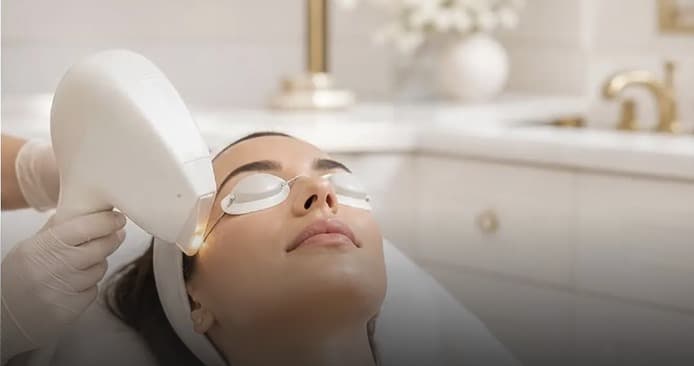
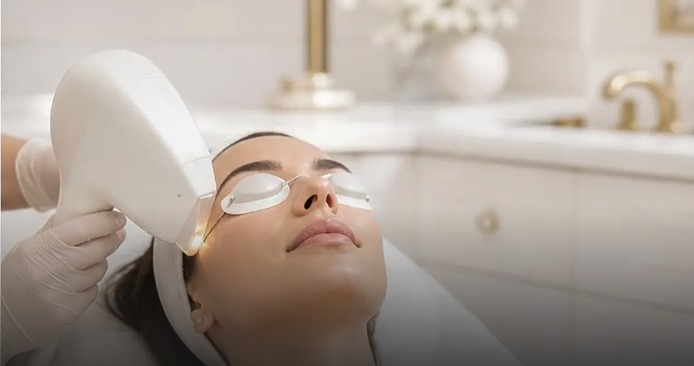
- Fractional non-ablative laser (Clear + Brilliant, Fraxel Dual, BBL Hero) addresses pigmentation, fine lines and texture in one go, with minimal downtime suited to working women.
3. Smart, conservative injectables
The myth that menopausal women need "more" injectables to compensate for ageing has been firmly retired. The 2026 standard is fewer, more strategic placements:
- Micro-doses of botulinum toxin to soften — not freeze — expression lines, with attention to keeping the lower face mobile
- Filler used as a structural tool (deep cheek, temple, chin) rather than chasing every line
- Tear-trough caution — menopausal under-eyes lose volume and skin support; injecting filler here without careful assessment commonly produces puffiness or the dreaded blue-grey Tyndall effect. Polynucleotides are often the safer first step.
4. Pigmentation protocols
Melasma and post-inflammatory pigmentation become more stubborn as estrogen fluctuates. The treatments most commonly used in Sydney for menopausal pigmentation include:
- Cosmelan or Dermamelan depigmentation peels — clinic-applied masks followed by 3–6 months of home maintenance
- Picosecond laser toning (PicoSure, PicoWay) for deeper pigment, used cautiously on darker or melasma-prone skin
- Tranexamic acid orally (under medical supervision) and topically — one of the most under-prescribed tools for hormonal pigmentation
5. Hydration and glow boosters
Sometimes you don't need an overhaul — you need your skin to function again. These are excellent maintenance treatments and pre-event refreshers:
- Skin booster injections (Restylane Vital, NCTF 135HA, Profhilo Body)
- HydraFacial with booster serums tailored for dry, mature skin
- Mesotherapy cocktails with vitamins, amino acids and HA delivered just below the skin surface
- LED light therapy (red and near-infrared) as a calming, collagen-supportive add-on
6. The neck, décolletage and hands
These areas are often forgotten in your thirties and become the giveaways in your fifties. Crepiness here responds well to:
- Profhilo or polynucleotide treatments specifically formulated for the neck and décolletage
- Fractional laser or RF microneedling carried down past the jawline
- Daily SPF and a separate retinoid-and-peptide routine for the neck and chest
- Hand rejuvenation with HA fillers and IPL for sun spots
Sequencing: A Realistic 12-Month Treatment Map
Rather than booking everything at once, most Sydney clinicians plan menopausal skin work as a layered annual program.
Months 1–2:
- Comprehensive skin analysis and barrier assessment
- Begin ceramide-rich routine and SPF discipline
- First Profhilo or polynucleotide booster session
Months 3–4:
- Second Profhilo / polynucleotide session
- Begin RF microneedling series (3 treatments, 4 weeks apart)
- Address pigmentation if present (Cosmelan or laser toning)
Months 5–6:
- Complete RF series
- Introduce Sculptra or strategic structural filler if volume loss is significant
- Switch retinoid routine for autumn / winter
Months 7–9:
- Gentle maintenance phase
- Skin boosters as needed
- LED + HydraFacial monthly
Months 10–12:
- Annual review with photographs
- Plan next year's program based on response
- Consider HIFU or fractional laser if laxity is still progressing
What About Hormone Therapy and Topical Estrogen?
The conversation about menopausal hormone therapy (MHT) has shifted dramatically in the past five years. Many women in Sydney now work with a GP or menopause specialist for systemic MHT, which can have meaningful benefits for skin thickness, hydration and collagen — though aesthetic improvements are secondary to its main role in symptom management.
Topical estrogen creams used on the face are an active area of research and are sometimes prescribed by dermatologists, but their use is regulated and individualised. Aesthetic clinicians don't prescribe MHT, but the best ones will absolutely ask whether you're on it, because it changes how your skin will respond to treatments.
Common Mistakes to Avoid
After several years of treating menopausal patients, the same regrets come up again and again:
- Chasing wrinkles instead of building structure — filling individual lines without addressing volume, ligament support and skin quality leads to that "filled but not refreshed" look.
- Going too aggressive on exfoliation — high-percentage acids and daily strong retinoids on already-thin, drier skin tip the barrier into reactivity and visible inflammation.
- Ignoring the neck and hands until they're the most ageing features.
- Skipping SPF in winter — Sydney's UV index regularly hits 3+ on winter mornings, more than enough to drive melasma.
- Booking treatments without a plan — a good consultation maps 12 months ahead, not just today's session.
Choosing the Right Sydney Clinic for Menopausal Skin
Not every aesthetic clinic is genuinely set up for this stage of life. When you're choosing where to spend your time and money, look for:
- A real consultation — at least 30 minutes, with skin imaging, medical history and a written plan
- Practitioners experienced in bio-stimulators and energy devices, not just botox and filler
- A conservative philosophy that values facial harmony over treatment volume
- Comfort discussing menopause — if your clinician seems awkward when you mention HRT, hot flushes or hormonal acne, find a different clinic
- Photographic documentation so progress is measurable
- Realistic timelines — anyone promising overnight transformation in this stage of life is selling, not treating
The Mindset Shift
The most successful menopausal patients we see in Sydney share one trait: they've stopped fighting their skin and started supporting it. They invest in fewer, better-chosen treatments. They commit to daily SPF the way they once committed to mascara. They protect their barrier as carefully as they protect their sleep. And they choose clinicians who treat them as partners in a long, intelligent program — not as a single appointment to be upsold.
Your skin in your fifties isn't a problem to be erased. It's a different canvas, and with the right care, it can be one of the most luminous, expressive, alive faces of your life so far.
FAQs
At what age should I start treating perimenopausal skin? Symptoms can begin in the late thirties. If you're noticing changes in dryness, pigmentation or jawline definition, it's worth a consultation regardless of your exact age.
Can I still use retinoids and acids during menopause? Yes, but typically at lower frequencies and gentler formulations than you used in your thirties. Pairing with barrier-supportive ceramides is essential.
Are biostimulators safe long-term? Profhilo, polynucleotides and Sculptra all have substantial safety records when administered by qualified injectors. They're often considered safer than large-volume filler use because they work with your own biology.
How much should I budget for a year of menopausal skin care? A realistic Sydney annual program — including routine skincare, two Profhilo cycles, an RF microneedling series, pigmentation work and maintenance facials — typically ranges between AUD $4,000 and $9,000 depending on intensity. A consultation with a transparent treatment plan will give you an exact figure.
Do I need to stop treatments if I start HRT? No, but tell your aesthetic clinician. HRT can change your skin's response, hydration and pigmentation patterns — adjustments to your plan may follow.
our cosmetic nurse is the lead injection nurse at SkinSpirit Clinic in Sydney, with extensive experience treating perimenopausal and menopausal skin. To book a consultation tailored to your hormonal stage, visit our appointments page.