Epigenetic Skincare Sydney 2026: DNA Repair, Skin Longevity & Smarter Ageing
If 2025 was the year everyone learned the phrase skin longevity, 2026 is the year that conversation becomes more precise. Clients are no longer asking only, "What can smooth this line?" or "What will make me glow by the weekend?" They are asking better questions: why is my skin ageing this way, what is driving my inflammation, how can I protect collagen before it disappears, and can my routine support healthier-looking skin for longer?
That is where epigenetic skincare enters the conversation. It sounds technical, but the idea is surprisingly practical. Epigenetics looks at how lifestyle, environment and cellular stress can influence the way genes behave without changing the DNA sequence itself. In skin terms, this has inspired a new wave of professional treatments and home-care plans focused on repair signals, barrier resilience, oxidative stress, inflammation control, collagen support and long-term skin function.
For Sydney clients, this is especially relevant. High UV exposure, seasonal humidity shifts, air conditioning, pollution, stress, travel and overactive skincare routines can all contribute to skin that looks tired before its time. Epigenetic skincare is not about promising to rewrite your genes. It is about building a smarter, calmer, more sustainable plan so your skin has the best possible conditions to behave well.
What Does Epigenetic Skincare Actually Mean?
Your genes are like the instruction library your cells inherit. Epigenetic influences are like the notes, highlights and bookmarks that affect which instructions are used more loudly or more quietly. In the body, these influences can be affected by age, sleep, nutrition, UV exposure, stress hormones, inflammation, environmental toxins and repair capacity.
In skincare, the term is used in a few different ways. Some brands use it to describe ingredients that target ageing pathways such as oxidative stress, glycation, inflammation or cellular senescence. Some clinics use it to describe personalised treatment planning based on skin history, lifestyle and biological ageing concerns. Some emerging wellness providers pair skin assessments with testing, diagnostics or longevity-style protocols.
The important thing is to stay grounded. A facial cream or treatment cannot change who you are genetically. But well-chosen treatments can support the visible behaviours we associate with healthier skin: stronger barrier function, better hydration, more even tone, smoother texture, calmer reactivity and improved collagen quality over time.
Why It Is Trending in 2026
Across the professional beauty and aesthetics industry, 2026 trend reports are pointing in the same direction: clients want results, but they want results that respect skin health. Aggressive one-off treatments are giving way to regenerative aesthetics, barrier-first routines, personalised plans and preventative maintenance.
Epigenetic skincare fits neatly into this shift because it gives language to something experienced clinicians already know: skin does not age in isolation. Two people of the same age can have very different skin because their UV history, stress load, sleep, hormones, inflammation, routine, medical history and treatment choices are different. A 35-year-old with years of sun exposure and barrier damage may need a very different plan from a 45-year-old with strong daily SPF habits and stable skin.
The trend is also being driven by the wider longevity movement. People are thinking about metabolic health, nervous system regulation, sleep quality, strength training and inflammation in ways that were once niche. Beauty is following. The new luxury is not looking frozen or overdone; it is looking well-rested, resilient and biologically supported.
The Sydney Factor: UV, Stress and Over-Treated Skin
Sydney is a beautiful place to live, but it is not always easy on skin. UV radiation remains one of the biggest external drivers of visible ageing. Even clients who are diligent with sunscreen often have years of accumulated exposure from beach days, commuting, sport, outdoor cafés and incidental daylight.
Then there is the modern skincare problem: too much of a good thing. Retinoids, exfoliating acids, vitamin C, peels and devices can be excellent when used correctly. But when people layer everything at once, the skin barrier can become irritated and inflamed. That inflammation can make pigmentation look darker, redness more persistent, breakouts more stubborn and fine lines more obvious.
Epigenetic-style planning encourages a reset. Instead of asking, "What is the strongest active I can tolerate?" we ask, "What does this skin need to function better for the next three, six and twelve months?" Sometimes the answer is not a more intense treatment. Sometimes it is barrier repair, LED, hydration, gentle collagen stimulation, better SPF habits and fewer products used more consistently.
Key Pathways Behind Skin Longevity
Epigenetic skincare often overlaps with broader skin longevity science. These are the main pathways clients are hearing about in 2026.
Oxidative stress
Oxidative stress happens when free radicals outpace the skin's antioxidant defences. UV exposure, pollution, smoking, poor sleep and inflammation can all contribute. Visibly, it can show up as dullness, pigmentation, uneven texture and accelerated collagen breakdown. Antioxidant skincare, SPF and professional treatments that reduce inflammation can help support the skin's defence environment.
Inflammaging
Inflammaging refers to chronic, low-grade inflammation associated with ageing. In skin, it may contribute to redness, sensitivity, slower repair and collagen degradation. This is one reason barrier-first routines and calming treatments are such a major 2026 theme. Calmer skin tends to respond better to active treatments.
Collagen signalling
Collagen loss is not just about age. It is influenced by UV exposure, hormones, inflammation, nutrition and treatment history. Modern skin longevity plans often combine home care with collagen-supportive treatments such as microneedling, LED, skin boosters, regenerative injectables or energy-based treatments where appropriate.
Mitochondrial support
Mitochondria are the energy centres of cells. In beauty marketing, this area can become overhyped, but the concept is useful: tired, stressed skin often needs support for repair, hydration and recovery. Sleep, nutrition, gentle movement, LED and a non-irritating routine can all contribute to the bigger picture.
Barrier resilience
Your skin barrier is not separate from anti-ageing; it is the foundation of it. A compromised barrier allows more irritation, more water loss and more sensitivity. Before chasing advanced treatments, many clients need a barrier plan first.
Treatments That Fit an Epigenetic Skincare Approach
At a clinic level, epigenetic skincare is less about one miracle treatment and more about sequencing. The right treatment at the wrong time can irritate skin. The right treatment in the right order can create momentum.
Skin analysis and consultation
A proper consultation is the starting point. Your clinician should ask about sun exposure, pigmentation history, sensitivity, breakouts, injectables, medications, pregnancy or breastfeeding, hormones, lifestyle, home care and previous treatments. This is where personalisation begins. Even without genetic testing, a detailed history reveals a lot about how your skin behaves.
LED light therapy
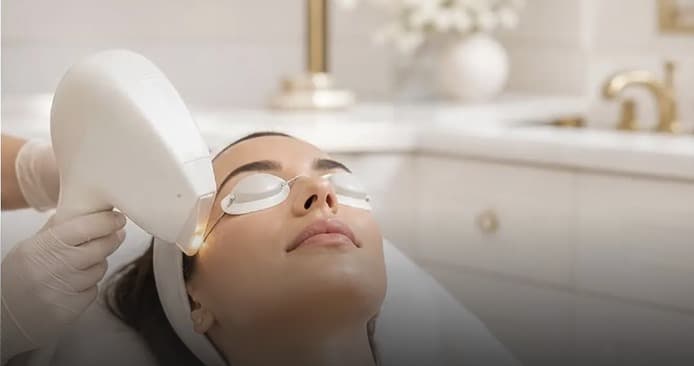
LED is a strong fit for longevity-style plans because it is gentle, cumulative and supportive. Depending on the wavelength and device, LED may be used to support redness, post-treatment recovery, acne-prone skin or overall skin vitality. It is not dramatic in one session, but it pairs beautifully with barrier repair and collagen-focused programs.
Microneedling and collagen induction
Microneedling creates controlled micro-injuries to encourage repair and collagen signalling. It can be useful for texture, pores, acne scarring and early laxity when performed correctly. In an epigenetic approach, the key is preparation and recovery: strong barrier, appropriate spacing, no over-exfoliation and supportive home care.
Skin boosters and regenerative treatments
Skin boosters, polynucleotides, biostimulators and regenerative aesthetics are part of the wider shift toward improving skin quality rather than only filling lines. Suitability depends on the client, the product, the practitioner and the goal. For many people, the most natural-looking improvement comes from hydration, firmness and texture support rather than obvious volume change.
Peels used intelligently
Chemical peels still have a place, especially for congestion, pigmentation and texture. The difference in 2026 is that peels are being used more strategically. A gentle series with barrier support can be more effective than an aggressive peel followed by weeks of irritation.
Home care that does not fight the clinic plan
Your home routine should support your treatments, not compete with them. A typical longevity-focused routine may include a gentle cleanser, antioxidant, moisturiser, SPF, a carefully introduced retinoid or retinal, and barrier-supporting ingredients such as ceramides, niacinamide or peptides. The exact plan should be adjusted to your skin, not copied from a trend video.
What About DNA Repair Ingredients?
The phrase "DNA repair" is appearing more often in skincare, usually in relation to ingredients that support the skin after UV exposure or encourage a healthier repair environment. You may see terms such as photolyase, antioxidants, peptides, retinoids, NAD-supportive concepts, exosomes, growth factors or enzyme technologies.
This is an exciting area, but it deserves realistic expectations. No skincare product replaces sunscreen, and no serum can undo years of sun damage overnight. The most evidence-aligned approach is still layered: daily broad-spectrum SPF, sun-smart behaviour, antioxidant support, professional assessment of pigmentation or suspicious lesions, and treatments chosen for your skin type and history.
Think of DNA repair skincare as part of a support system, not a permission slip to skip protection.
Who Is Epigenetic Skincare Best For?
This approach is especially useful if you feel your skin is changing but you do not want to jump straight into aggressive treatments. It can suit clients noticing early collagen loss, dullness, redness, pigmentation, sensitivity, dehydration, fine lines, slower healing or a general sense that their skin is not bouncing back the way it used to.
It is also helpful for clients who have tried many products without a plan. If your bathroom shelf is full of half-used actives, your skin may not need more options. It may need a clinician to simplify, sequence and rebuild.
For mature skin, epigenetic-style planning can complement cosmetic injectables by improving the quality of the skin canvas. For younger clients, it can be a preventative strategy: protect the barrier, manage sun exposure, avoid unnecessary inflammation and stimulate collagen gradually rather than waiting for significant damage.
A Smart 12-Week Skin Longevity Plan
Every client is different, but a sensible starting structure might look like this.
Weeks 1-2: reset and assess. Pause unnecessary exfoliation, simplify actives, repair the barrier and document baseline concerns. This is also the time to review sunscreen habits and identify irritation triggers.
Weeks 3-6: introduce supportive treatments. Depending on the skin, this might include LED, hydrating facials, gentle peels or a carefully selected active routine. The goal is to calm the skin while improving texture and luminosity.
Weeks 7-12: targeted collagen and pigmentation work. If the barrier is stable, your clinician may introduce microneedling, stronger peels, skin boosters or other advanced treatments. Recovery protocols matter here: the skin should be supported before and after each session.
Maintenance: protect the result. Long-term skin quality is built through consistency. SPF, sleep, hydration, routine adherence and properly spaced treatments will usually outperform a cycle of neglect followed by panic treatments.
Red Flags to Avoid
Because epigenetic beauty is trending, marketing can get ahead of reality. Be cautious with any clinic or product promising to reverse your biological age, repair all DNA damage, deliver permanent results from one session or replace medical care. Skin science is powerful, but honest practitioners will explain limits as clearly as benefits.
Also avoid stacking too many advanced treatments at once. More stimulation is not always better. Over-treatment can create inflammation, pigmentation risk and barrier damage, particularly for sensitive skin or deeper skin tones.
The SkinSpirit Perspective
At SkinSpirit, we see epigenetic skincare as part of a broader shift toward respectful, intelligent beauty. The aim is not to chase every new buzzword. The aim is to understand your skin's story and create a plan that supports healthier-looking skin over time.
For one client, that might mean barrier repair and LED before any active resurfacing. For another, it might mean a collagen induction plan spaced around work, travel and sun exposure. For someone else, it might mean simplifying a complicated routine and building a professional treatment calendar around realistic goals.
The future of aesthetics is not just more technology. It is better timing, better assessment and better restraint.
The Bottom Line
Epigenetic skincare is one of the most interesting 2026 beauty trends because it moves the conversation away from quick fixes and toward skin behaviour. It asks why your skin is inflamed, why your collagen is declining, why pigmentation keeps returning and what your routine can do to support resilience.
For Sydney clients, the essentials remain beautifully simple: protect against UV, calm inflammation, repair the barrier, choose treatments strategically and build collagen gradually. Add emerging ingredients and advanced treatments only when they fit the plan.
When skincare is personalised, consistent and respectful of biology, the result is not just a temporary glow. It is skin that looks stronger, calmer and more capable of ageing well.