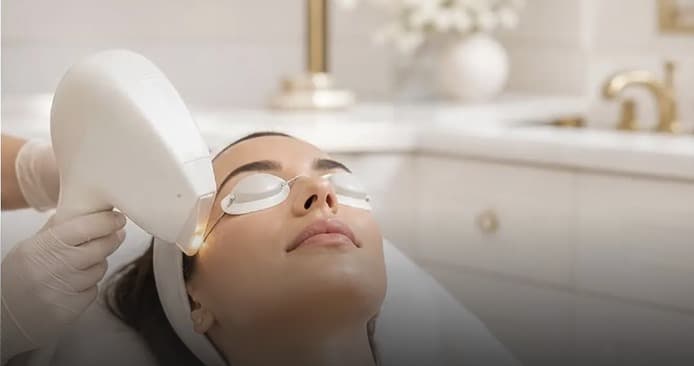
Cortisol Face & Stress Skin Sydney 2026: Why Calm Is the New Clinical Result
If your skin has been looking puffy, flat, flushed or strangely reactive even though you are doing "all the right things", you are not imagining it. In 2026, one of the biggest conversations in professional skin clinics is not another miracle ingredient or aggressive resurfacing protocol. It is the connection between stress, cortisol, inflammation and the face.
Beauty editors are calling it cortisol face. Professional skin educators are talking about parasympathetic-led treatments. Ingredient forecasters are using the term neurocosmetics. Clients are describing it in simpler language: "I look tired", "my face feels swollen", "my skin is angry", or "my glow disappears when work gets intense".
At SkinSpirit in Chatswood, we are seeing this every week. Sydney clients are busy, screen-heavy, sleep-compromised and often juggling work, family, travel, training and social commitments. Their skin reflects that load. The answer is not always stronger actives. Sometimes the smartest clinical result is helping the skin — and the nervous system around it — return to calm.
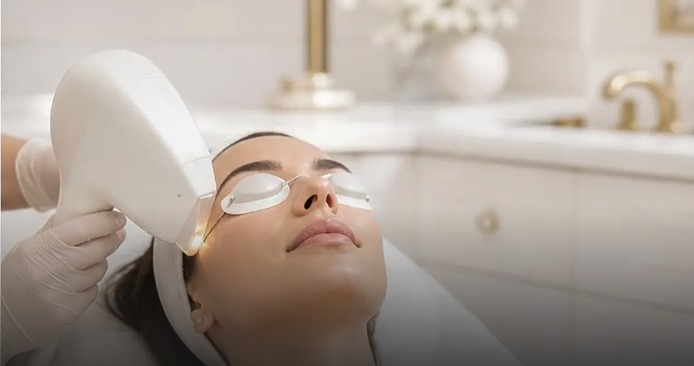
What Is "Cortisol Face"?
"Cortisol face" is not a formal medical diagnosis. It is a popular phrase for the visible facial changes many people notice during prolonged stress. Cortisol is one of the body's main stress hormones. In short bursts, it is useful: it helps you respond, focus and move through pressure. But when stress becomes chronic, cortisol and related inflammatory signals can start to affect the skin.
Common signs clients describe include:
- Morning puffiness, especially around the cheeks, jawline and under-eyes
- Dull or grey-looking skin, even after exfoliation
- Increased redness or flushing
- Breakouts that flare with deadlines, poor sleep or emotional stress
- Sensitivity to products that used to be fine
- A tired, heavy or less defined facial appearance
- Slower healing after blemishes or treatments
- A tight but oily feeling, where the barrier is dehydrated yet reactive
Not every puffy face is caused by stress. Fluid retention, hormones, diet, alcohol, allergies, medications, sleep position and medical conditions can all play a role. But for many otherwise healthy clients, stress is a major missing piece.
The Skin-Brain Axis: Why Your Face Knows You Are Stressed
Your skin is not just a passive surface. It has immune cells, nerve endings, hormone receptors, blood vessels, sebaceous glands and a microbiome. It constantly communicates with the nervous system. This is why embarrassment can make you flush, anxiety can worsen eczema, and lack of sleep can make your complexion look flat the next morning.
When your body is in a prolonged fight-or-flight state, several things can happen:
1. Inflammation Increases
Stress can amplify inflammatory signalling. For acne-prone clients, that may mean deeper, angrier breakouts. For rosacea-prone clients, it may mean flushing and heat. For sensitive clients, it may mean stinging, itching or a sudden intolerance to active skincare.
2. The Skin Barrier Weakens
A stressed body is not always prioritising repair. The skin barrier can become less efficient at holding water and keeping irritants out. This is why stress skin often feels tight, dry, shiny and reactive at the same time.
3. Oil Production Can Shift
Stress hormones can influence sebaceous activity. Some clients notice more congestion through the T-zone, jawline or cheeks during high-pressure periods.
4. Microcirculation Changes
Stress affects blood flow. The skin may look more uneven: flushed in some areas, dull in others. Under-eyes can appear darker when sleep and circulation are compromised.
5. Fluid Drainage Slows
Facial puffiness is often a drainage issue. Poor sleep, tension in the jaw and neck, high sodium intake, alcohol and reduced movement all make this worse. Stress tends to cluster these behaviours together.
Why This Is a 2026 Beauty Trend
The last few years of aesthetics were dominated by instant transformation: stronger peels, faster resurfacing, sharper sculpting, more dramatic before-and-afters. Those treatments still have a place, but 2026 is different. Clients want results that look healthy, balanced and believable. They also want treatments that fit a real life, not a fantasy routine.
Across Australian beauty reporting, several themes keep repeating: barrier health, longevity, regenerative skin support, simplified routines, sensory skincare and treatments that deliberately shift the body into a calmer state. The phrase "calm as clinical currency" captures the movement perfectly. Calm is no longer just a spa feeling. It is part of the result.
This matters because inflamed, stressed skin does not respond predictably to aggressive treatment. If the barrier is impaired, a strong peel may cause more irritation than glow. If the nervous system is in overdrive, redness and flushing may rebound. If sleep is poor and cortisol is high, the skin may heal slowly after procedures.
The new approach is strategic: calm first, strengthen next, stimulate only when the skin is ready.
How Stress Skin Differs from Normal Tired Skin
Everyone looks tired after a late night. Stress skin is more persistent. You might notice that your complexion does not bounce back after one good sleep. The skin feels unpredictable. You buy more products, layer more serums, exfoliate more often, and somehow the face looks worse.
A useful way to tell the difference:
- Normal tired skin usually improves quickly with rest, hydration and a simple routine.
- Stress skin often cycles: puffiness, congestion, redness, sensitivity and dullness come and go with workload, hormones and emotional strain.
- Barrier-damaged stress skin may sting with vitamin C, retinoids, acids, fragrance or even sunscreen.
- Inflamed stress skin often has heat, flushing or tender breakouts rather than just dryness.
If this sounds familiar, the goal is not to punish the skin into behaving. It is to reduce triggers, support recovery and choose treatments that work with the skin's repair systems.
The SkinSpirit Calm-First Protocol
At SkinSpirit, our senior beauty therapist's approach to stress skin is practical and layered. We still care about visible results: glow, smoother texture, less congestion, better hydration and a fresher facial appearance. But we choose the route carefully.
Step 1: Reset the Barrier
A stressed barrier needs fewer irritants, not more. We usually simplify the home routine before changing treatments. That may mean pausing strong exfoliating acids, reducing retinoid frequency, switching to a gentle cleanser, using a ceramide-rich moisturiser and choosing sunscreen that does not sting.
This phase is especially important for clients who have been chasing glow with too many actives. If every product burns, the skin is asking for a reset.
Step 2: Reduce Heat and Reactivity
For red, flushed or reactive skin, calming modalities are prioritised. LED light therapy, hydrating facials, cooling masks and barrier-repair treatments can help the skin feel less defensive. We avoid unnecessary friction and over-extraction.
Step 3: Improve Lymphatic Flow
For puffiness and heaviness, manual facial massage, gentle lymphatic techniques and jaw/neck release can make a visible difference. This is not just pampering. Fluid movement, muscle tension and circulation all affect how the face looks.
Clients who clench their jaw or hold tension through the neck often see the biggest difference here. When the lower face softens and drainage improves, the face can look more awake without injectables.
Step 4: Rebuild Hydration and Glow
Once sensitivity has settled, treatments like HydraFacial-style cleansing and infusion, hydrating masks, LED and targeted serums can bring back luminosity. The goal is a fresh, flexible skin surface — not a stripped, squeaky-clean one.
Step 5: Add Stimulation Carefully
Only when the skin is stable do we consider more active rejuvenation, such as microneedling, peels or collagen-supportive treatments. This sequence matters. Stimulating stressed skin too early can create more inflammation. Stimulating calm, well-supported skin can build better results.
Treatments That Help Stress Skin
The best treatment depends on whether your main issue is puffiness, redness, congestion, dehydration, texture or all of the above. These are the options we commonly consider in clinic.
LED Light Therapy
LED is one of the most useful entry points for stress skin because it is gentle and non-invasive. Red and near-infrared wavelengths are often used to support repair and calm visible inflammation. Blue light may be considered for acne-prone skin. LED is also a beautiful add-on when the skin is too reactive for stronger treatments.
Hydrating Barrier Facials
A well-designed hydrating facial can cleanse without stripping, infuse moisture, support the barrier and leave the skin comfortable. The key is restraint: no harsh scrubbing, no unnecessary aggressive extractions, no overloading the skin with actives it cannot tolerate.
Lymphatic Facial Massage
If your face looks puffy or heavy, lymphatic-style massage can help move stagnant fluid and reduce tension. It pairs well with LED and hydrating masks. For many clients, this is the treatment that makes them look instantly more rested.
Gentle Peels
Not all peels are aggressive. When the skin is ready, very gentle chemical exfoliation can help dullness and congestion. But timing is everything. If your skin is hot, stinging or barrier-impaired, we calm first.
Microneedling for Post-Stress Repair
Microneedling is not the first step for irritated stress skin, but it can be valuable once inflammation is under control. It supports collagen induction and texture refinement. Think of it as the rebuilding phase, not the rescue phase.
What to Do at Home During a Stress Skin Flare
Clinic treatments work best when your daily routine is not fighting them. During a flare, keep the routine boring in the best possible way.
Morning:
- Gentle cleanse or rinse only
- Hydrating serum if tolerated
- Barrier-supporting moisturiser
- Broad-spectrum SPF
Evening:
- Gentle cleanse
- Moisturiser
- Optional soothing serum
- Pause strong retinoids or acids until stinging settles
Helpful habits:
- Sleep with your head slightly elevated if morning puffiness is an issue
- Reduce alcohol and very salty meals before important events
- Take short walking breaks to improve circulation and lymphatic flow
- Avoid testing multiple new products during a stressful week
- Use cool, not hot, water on reactive skin
- Do not exfoliate just because the skin looks dull; dehydration can mimic dullness
When to Seek Medical Advice
Because puffiness can have many causes, sudden or severe facial swelling should not be treated as a beauty issue. Seek medical advice if swelling is one-sided, painful, associated with breathing difficulty, related to a new medication, or accompanied by other symptoms. Persistent acne, rosacea, eczema or dermatitis may also need GP or dermatologist support.
A good skin clinic should know when to treat and when to refer. At SkinSpirit, we keep cosmetic advice within safe boundaries and focus on treatments appropriate for your skin presentation.
The 2026 Takeaway: Calm Skin Looks Expensive
The most modern skin goal in 2026 is not frozen, over-polished or aggressively peeled. It is calm, resilient, hydrated and alive. When inflammation is lower, the barrier is stronger and the face is less tense, everything looks better: makeup sits more smoothly, redness reduces, glow returns, and treatments become more predictable.
If your skin has been telling the story of your stress, you do not need to start with the strongest option. You may need a smarter sequence.
At SkinSpirit in Chatswood, our senior beauty therapist can help assess whether your skin needs calming, drainage, hydration, barrier repair or a gradual collagen plan. The result is not just a facial that feels good for an hour. It is a strategy for skin that can handle Sydney life and still look luminous.
Ready to calm stressed, puffy or reactive skin? Book a consultation at SkinSpirit or call us on 0479 066 568. We are in Chatswood, Sydney, and we would love to help you build a plan that feels realistic.