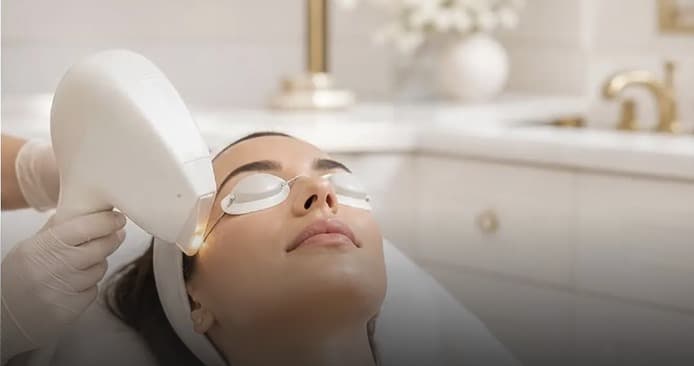
The Complete Guide to Chemical Peels in Sydney: Why Autumn Is the Perfect Time to Start
Chemical peels have been a cornerstone of professional skincare for decades, and in 2026 they remain one of the most effective, science-backed treatments available at Sydney beauty clinics. Whether you're battling pigmentation from a long Australian summer, smoothing fine lines, or clearing stubborn acne scars, a well-chosen chemical peel can transform your complexion in just a few sessions.
With autumn now upon us, there's never been a better time to book your first peel. Here's everything you need to know.
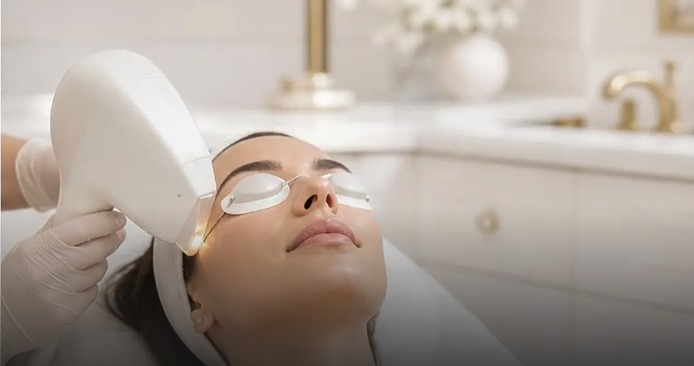
What Is a Chemical Peel?
A chemical peel is a non-invasive cosmetic treatment where a carefully formulated acid solution is applied to the skin's surface. The solution works by dissolving the bonds between dead skin cells, triggering controlled exfoliation and stimulating fresh cell turnover from beneath.
The result? Smoother texture, more even tone, reduced pigmentation, and a genuine glow that no amount of serums can replicate on their own.
Chemical peels are performed by trained beauty therapists and cosmetic nurses using TGA-approved formulations, making them safe and effective when administered professionally.
Types of Chemical Peels Available in Sydney
Not all peels are created equal. Sydney clinics typically offer three categories:
Superficial (Light) Peels
Using alpha-hydroxy acids (AHAs) like glycolic or lactic acid, these gentle peels target the outermost layer of skin. They're ideal for:
- Dull, tired-looking complexion
- Minor uneven tone
- First-time peel clients
- Maintaining results between deeper treatments
Downtime is minimal — expect slight redness for a few hours. Most people return to their normal routine immediately.
Medium-Depth Peels
These use trichloroacetic acid (TCA) or stronger glycolic concentrations to penetrate the upper dermis. Best for:
- Sun damage and pigmentation
- Fine lines and early wrinkles
- Acne scarring
- Melasma
Expect 3–7 days of peeling and flaking. The payoff is significant visible improvement in skin quality.
Deep Peels
Using phenol or high-concentration TCA, deep peels produce dramatic results for severe sun damage, deep wrinkles, and pronounced scarring. These require medical supervision and longer recovery (up to two weeks), but deliver the most transformative outcomes.
Why Autumn Is the Best Season for Chemical Peels
This isn't marketing spin — there's genuine science behind the timing.
Lower UV Exposure
After a chemical peel, your fresh skin is significantly more sensitive to UV radiation. Sydney's autumn means shorter days, milder sun, and naturally less UV exposure. This dramatically reduces the risk of post-inflammatory hyperpigmentation (PIH), which is the most common complication of poorly-timed peels.
Repair Summer Damage
An Australian summer takes a toll — even with diligent sunscreen use, cumulative UV exposure creates pigmentation, dehydration, and textural changes. Autumn is the ideal time to undo that damage while the conditions are gentle.
Build a Treatment Series
Most chemical peel protocols recommend 3–6 sessions spaced 2–4 weeks apart. Starting in March or April gives you a full treatment course through winter, meaning you'll emerge in spring with dramatically improved skin — just in time for summer.
Better Compliance
Let's be honest: it's easier to avoid the sun, wear hats, and stay diligent with SPF when it's 18°C and overcast versus 35°C at Bondi Beach.
What to Expect During Your Chemical Peel
Before Treatment
Your therapist will assess your skin type, concerns, and history. You may be asked to:
- Stop using retinoids 5–7 days before
- Avoid waxing or laser treatments
- Start a prep regimen with gentle AHAs (some clinics recommend 2 weeks of prep)
During Treatment
The process typically takes 30–60 minutes:
- Cleanse — Skin is thoroughly cleaned and degreased
- Application — The peel solution is applied evenly (you may feel tingling or mild stinging)
- Timing — The solution remains on skin for a precise duration based on your peel type
- Neutralise — For certain peels, a neutralising solution is applied
- Soothe — Calming serums, moisturiser, and SPF are applied
After Treatment
Post-care varies by peel depth:
- Light peels: Mild redness for a few hours. Resume normal skincare next day.
- Medium peels: Expect 3–7 days of visible peeling. Keep skin hydrated, avoid picking, and use SPF 50+ religiously.
- Deep peels: Up to 14 days recovery. Your practitioner will provide a detailed aftercare plan.
Common Skin Concerns Chemical Peels Address
Pigmentation and Sun Spots
Chemical peels are one of the most effective treatments for hyperpigmentation. By removing pigmented surface cells and stimulating new cell production, peels can significantly lighten sun spots, age spots, and post-inflammatory marks.
Acne and Acne Scars
Salicylic acid (BHA) peels are particularly effective for acne-prone skin, penetrating into pores to clear congestion. For acne scarring, medium-depth TCA peels stimulate collagen remodelling to smooth textural irregularities.
Fine Lines and Wrinkles
By stimulating collagen production in the dermis, chemical peels smooth fine lines — particularly around the eyes, mouth, and forehead. Regular treatments help maintain a youthful, plump skin quality.
Dull, Uneven Texture
Even without specific concerns, a chemical peel series can dramatically improve overall skin quality. Many clients describe the "glass skin" effect — smooth, luminous, and even-toned.
How Chemical Peels Compare to Other Treatments
| Treatment | Best For | Downtime | Sessions | Price Range | |-----------|----------|----------|----------|-------------| | Chemical Peel | Pigmentation, texture, acne | 0–14 days | 3–6 | $100–$500 | | Microneedling | Scarring, collagen | 2–3 days | 3–6 | $200–$600 | | HydraFacial | Hydration, maintenance | None | Monthly | $150–$350 | | LED Light Therapy | Inflammation, healing | None | 6–10 | $50–$150 | | Laser Resurfacing | Deep scarring, wrinkles | 7–14 days | 1–3 | $500–$2000 |
Chemical peels offer excellent value — they're more affordable than laser treatments but deliver comparable results for many concerns, especially when combined with complementary treatments.
How Much Do Chemical Peels Cost in Sydney?
Pricing varies by clinic and peel type:
- Light/superficial peels: $100–$180 per session
- Medium-depth peels: $200–$400 per session
- Deep peels: $400–$800+ per session
- Treatment courses (4–6 sessions): planned based on skin tolerance and goals
Many Sydney clinics offer free consultations to determine the right peel type for your skin.
Choosing the Right Clinic for Chemical Peels
When selecting a clinic, look for:
- Qualified practitioners — Registered nurses, dermal therapists, or doctors with specific peel training
- TGA-approved products — Ask what brand/formulation they use
- Thorough consultation — A good clinic will never jump straight to a deep peel without assessing your skin
- Aftercare support — Post-treatment guidance and follow-up appointments
- Transparent pricing — No hidden costs or high-pressure upselling
For a deeper dive on choosing the right provider, see our guide on how to choose a medical aesthetics clinic in Sydney.
Autumn Peel Prep: Your 2026 Action Plan
Ready to start? Here's your timeline:
- Week 1 (Now): Book a consultation. Start using SPF 50+ daily if you aren't already.
- Week 2: Begin a gentle AHA cleanser to prep your skin.
- Week 3–4: First peel session.
- April–June: Complete your treatment series (3–6 sessions).
- Winter: Maintenance peels every 6–8 weeks.
- Spring 2026: Reveal your best skin ever.
Book Your Autumn Skin Consultation
Your skin worked hard all summer. It's time to give it the reset it deserves. A professional chemical peel consultation will help you understand exactly which treatment suits your skin type, concerns, and goals.
Contact us to book your complimentary skin assessment, or explore our full range of services to find the perfect treatment plan for autumn and beyond.