Winter Hydration Facials in Sydney: Why Indoor Heating Is Leaving Skin Tight, Dull and Reactive
Sydney winter is gentle compared with colder parts of the world, but your skin may not agree. By July, many clients start noticing the same pattern: foundation sits strangely, cheeks feel tight after cleansing, fine lines look more visible, and skin that was calm in autumn suddenly stings when active serums are applied.
The reason is often not one dramatic trigger. It is the cumulative effect of winter air, indoor heating, hot showers, lower humidity, heavier makeup, less water intake and routines that were designed for a different season. In 2026, one of the most useful shifts in professional skincare is the move away from simply “adding more product” and toward hydration strategy: understanding whether skin is dry, dehydrated, barrier-stressed or inflamed, then treating it accordingly.
A winter hydration facial is not just a pamper treatment. Done well, it can help restore water balance, support the skin barrier, calm visible redness and make your home routine work better. For Sydney clients who want fresh, luminous skin without downtime, it is one of the smartest mid-winter treatments to consider.
Why Sydney Skin Feels Different in Winter
Winter skin changes can feel confusing because the surface symptoms overlap. Skin may look dull, feel rough, produce extra oil in the T-zone and still feel tight across the cheeks. That does not always mean your skin type has changed. More often, the environment has changed.
Indoor heating is a major contributor. Heated indoor air can feel comfortable, but it often lowers the moisture available around the skin. When the air is dry, water evaporates more easily from the skin surface. This process is known as transepidermal water loss. You do not need to understand the science in detail to feel the effect: tightness, flaking, creasing, makeup separation and a lack of bounce.
Cold outdoor air can add another layer. Even in Sydney, cooler wind and lower humidity can make the skin barrier work harder. Then we often add hot showers, stronger cleansing, exfoliating acids, retinoids, long office days and reduced sunscreen reapplication because the sun feels less intense. The result is a skin environment that is under-supported.
This is why a winter facial should not automatically be stronger, deeper or more aggressive. For many clients, winter is the season to rebuild comfort first.
Dry Skin vs Dehydrated Skin: The Difference Matters
The terms “dry” and “dehydrated” are often used together, but they describe different problems.
Dry skin lacks oil. It is a skin type or a longer-term tendency. Dry skin may feel rough, have smaller pores, flake easily and need richer lipid support such as ceramides, nourishing creams and barrier-friendly oils.
Dehydrated skin lacks water. It can happen to any skin type, including oily and acne-prone skin. Dehydrated skin may look shiny but feel tight, show fine surface lines, absorb products quickly and become more reactive than usual.
Many Sydney winter clients have a combination of both: reduced oil comfort plus water loss. That is why simply applying a heavier cream may not solve the issue. A richer cream can seal the surface, but if the underlying hydration is poor or the barrier is irritated, skin may still feel tight.
A good professional hydration facial looks at both sides: water-binding ingredients to replenish, barrier support to reduce loss, and calming steps to reduce unnecessary irritation.
Signs You May Need a Hydration Facial
A winter hydration facial may be helpful if you notice:
- Skin feels tight soon after cleansing
- Makeup clings, separates or looks textured by midday
- Fine lines look more obvious than usual
- Moisturiser seems to “disappear” quickly
- Cheeks or nose look pinker than normal
- Active products sting, even if you tolerated them before
- Your skin feels oily and dehydrated at the same time
- You are preparing for an event and want glow without peeling
- Your barrier feels compromised after retinoids, exfoliation or travel
These signs do not always mean you need a dramatic treatment. In many cases, your skin needs a reset: gentle cleansing, careful exfoliation only if appropriate, humectant layering, barrier support and a calmer home routine.
What Makes a Winter Hydration Facial Different?
A winter hydration facial should feel targeted, not generic. The goal is not to scrub the skin into brightness. The goal is to restore the conditions that make skin naturally look brighter: smoother light reflection, calmer tone, better water content and a more comfortable barrier.
At SkinSpirit, a winter-focused approach may include:
1. Gentle assessment first
Before choosing products or machines, the skin is assessed for dehydration, congestion, sensitivity, redness, flaking and barrier strength. A client with tight, reactive cheeks needs a different plan from someone with winter congestion and oiliness.
2. Non-stripping cleanse
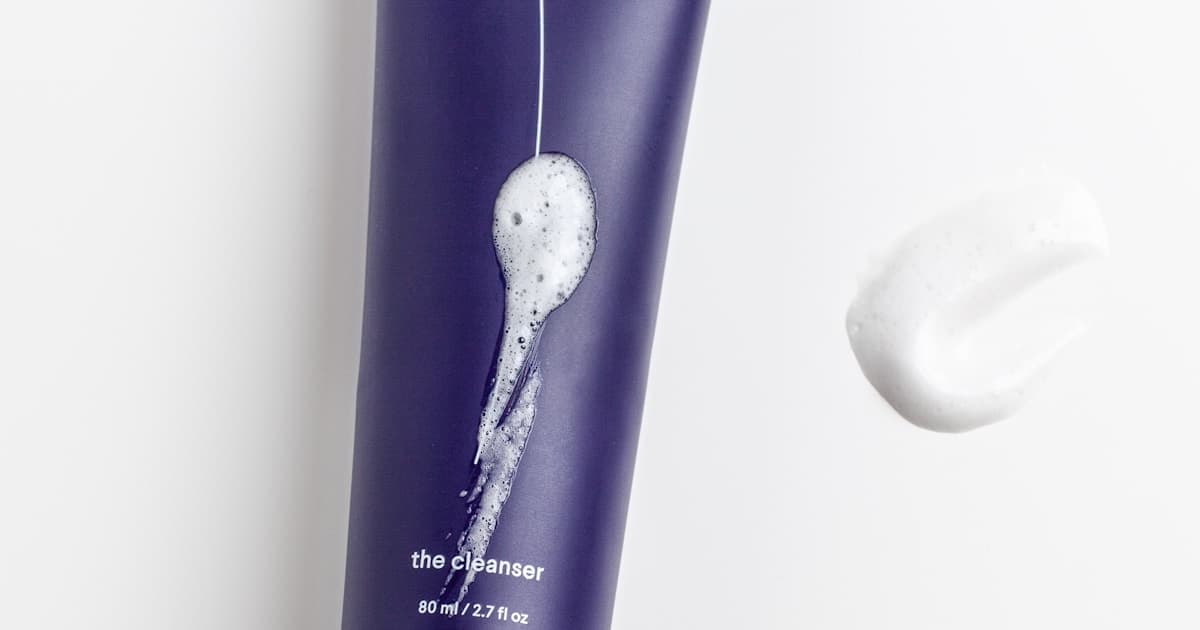
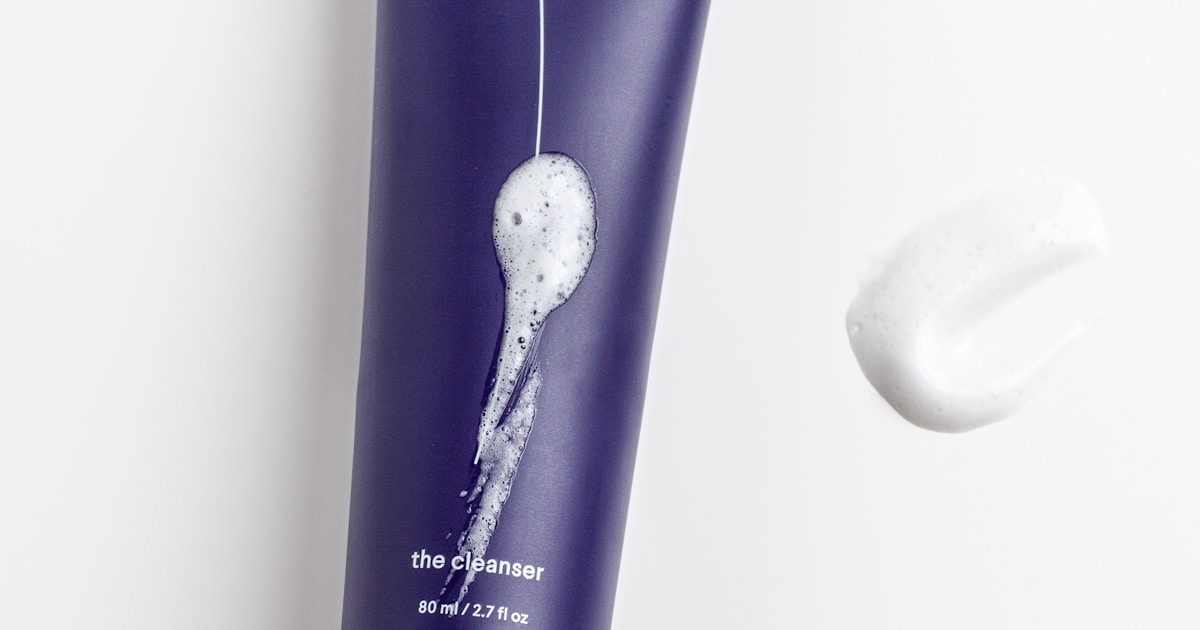
Cleansing should remove sunscreen, makeup and daily buildup without leaving the skin squeaky. That tight “super clean” feeling is often a warning sign, not a goal.
3. Careful exfoliation, only if suitable
Some winter skin benefits from a light enzyme or gentle exfoliation step to improve texture and product penetration. But if the barrier is irritated, exfoliation may be reduced or skipped. In 2026, smarter facial planning means knowing when not to over-treat.
4. Humectant hydration
Humectants such as glycerin, hyaluronic acid, panthenol and other water-binding ingredients help draw and hold water in the upper layers of the skin. The key is layering them correctly and sealing them with barrier support.
5. Barrier-supporting ingredients
Ceramides, cholesterol, fatty acids, peptides and soothing botanical or professional calming complexes can help support the outer skin barrier. This is especially important if your skin has been over-cleansed or over-exfoliated.
6. Calm-focused finishing
A hydration facial should leave the skin looking fresh, not inflamed. For many clients, LED light therapy, cooling masks or calming massage techniques can be used to support comfort and visible radiance.
Why Hydration Facials Are Trending in 2026
The beauty conversation has shifted. Instead of chasing the strongest peel or the most dramatic before-and-after, many clients now want skin that looks healthy in real life: hydrated, resilient, smooth, calm and makeup-friendly.
This is partly because people are more educated about the barrier. They know that overdoing actives can make skin worse. It is also because modern aesthetics are moving toward natural-looking results. Skin quality matters more when makeup is lighter, injectables are subtler and people want to look refreshed rather than “done”.
Hydration facials fit this moment because they are supportive rather than disruptive. They can be used between stronger treatments, before events, after travel, during winter or whenever skin feels flat. For clients who are nervous about downtime, they offer a practical entry point into professional skin care.
The Best Ingredients for Winter-Dehydrated Skin
Your facial and home routine may include different ingredient categories depending on your skin condition, but these are some of the most useful winter hydration supporters.
Glycerin
Glycerin is a classic humectant for a reason. It helps bind water and is well tolerated by many skin types. It may not sound as exciting as trendier ingredients, but it is one of the quiet workhorses of a good hydration routine.
Hyaluronic acid
Hyaluronic acid can help skin look plumper and smoother, especially when layered under a moisturiser. The mistake is using it alone in a dry environment without sealing it properly. In winter, pairing humectants with barrier support matters.
Panthenol
Panthenol is a comforting ingredient often used for skin that feels stressed, tight or reactive. It is especially helpful when the goal is hydration plus calm.
Ceramides
Ceramides support the skin barrier’s lipid structure. If your skin is flaky, tight or easily irritated, ceramide-rich moisturisers can be more useful than constantly adding more exfoliation.
Niacinamide
Niacinamide can support barrier function, uneven tone and oil balance, but concentration matters. If your skin stings easily, a gentler formula may be better than a high-strength serum.
Peptides
Peptides can be useful in winter routines because they support a skin-quality approach without relying only on exfoliation. They pair well with hydration and barrier care.
What to Avoid When Your Skin Is Dehydrated
When skin feels dull, the instinct is often to exfoliate more. That can work for some people, but winter-dehydrated skin is easily pushed too far. If your skin is tight, red, stinging or flaky, be cautious with:
- Daily exfoliating acids
- Strong scrubs
- Hot water cleansing
- Multiple active serums layered together
- High-strength retinoids without support
- Foaming cleansers that leave skin tight
- Clay masks used too often
- Skipping moisturiser because the T-zone is oily
A good rule: if your skin feels less comfortable after your routine, the routine needs adjusting.
How Often Should You Book a Hydration Facial?
For general maintenance, many clients do well with a hydration-focused facial every four to six weeks. If the skin is very dehydrated or barrier-stressed, a short series may be recommended, followed by maintenance.
Before an event, timing matters. A hydration facial is often best booked several days to one week beforehand, depending on your skin and the treatment style. This gives the skin time to settle into its best glow while avoiding last-minute surprises.
If you are using prescription actives, recently had injectables, have a skin condition such as rosacea, or are recovering from a stronger treatment, tell your therapist before the facial. The treatment can then be adjusted safely.
A Simple Winter Home Routine Between Facials
Professional facials work best when the home routine supports the same goal. For winter dehydration, keep it simple:
Morning
- Gentle cleanse or rinse if appropriate
- Hydrating serum or mist on slightly damp skin
- Barrier-supportive moisturiser
- Broad-spectrum sunscreen
Evening
- Gentle cleanse, double cleansing only if needed
- Hydrating serum
- Moisturiser with barrier support
- Active ingredient only on planned nights, not every night by default
You do not need a complicated routine to have healthy winter skin. Consistency and restraint often work better than adding five new products at once.
When Hydration Is Not Enough
Sometimes dehydration is only part of the picture. If your skin has persistent redness, acne flares, pigmentation, dermatitis-like irritation or sudden sensitivity, you may need a more specific plan. A hydration facial can support the skin, but it should not replace proper assessment.
For example, acne-prone dehydrated skin may need oil balance and congestion management. Pigmentation-prone skin may need visible-light protection and pigment-safe actives. Mature skin may need hydration plus collagen-stimulating treatment planning. Sensitive skin may need fewer actives and more barrier repair.
This is where a professional consultation becomes valuable. The best treatment is not the one that sounds trendiest. It is the one your skin can actually use.
The SkinSpirit Approach to Winter Glow
At SkinSpirit in Sydney, our winter skin philosophy is simple: restore comfort first, then build results. When skin is hydrated and calm, almost every other goal becomes easier — smoother makeup, brighter tone, better tolerance to actives, improved texture and a healthier-looking glow.
A winter hydration facial is ideal for clients who want visible freshness without downtime. It is also a smart reset if your routine has become too active, your skin feels tight from indoor heating, or you simply want your face to feel like itself again.
If your skin has been feeling dull, thirsty or reactive this winter, consider booking a tailored SkinSpirit facial. We can help identify whether your skin needs water, lipids, calming support, gentle exfoliation or a more complete seasonal plan.
Key Takeaway
Sydney winter skin is not just “dry skin”. It is often a mix of dehydration, barrier stress and environmental change. A professional hydration facial can help restore water balance, calm the skin and rebuild the healthy glow that indoor heating, cold air and overactive routines tend to steal.
In 2026, the smartest winter glow is not forced. It is hydrated, comfortable, resilient and beautifully natural.