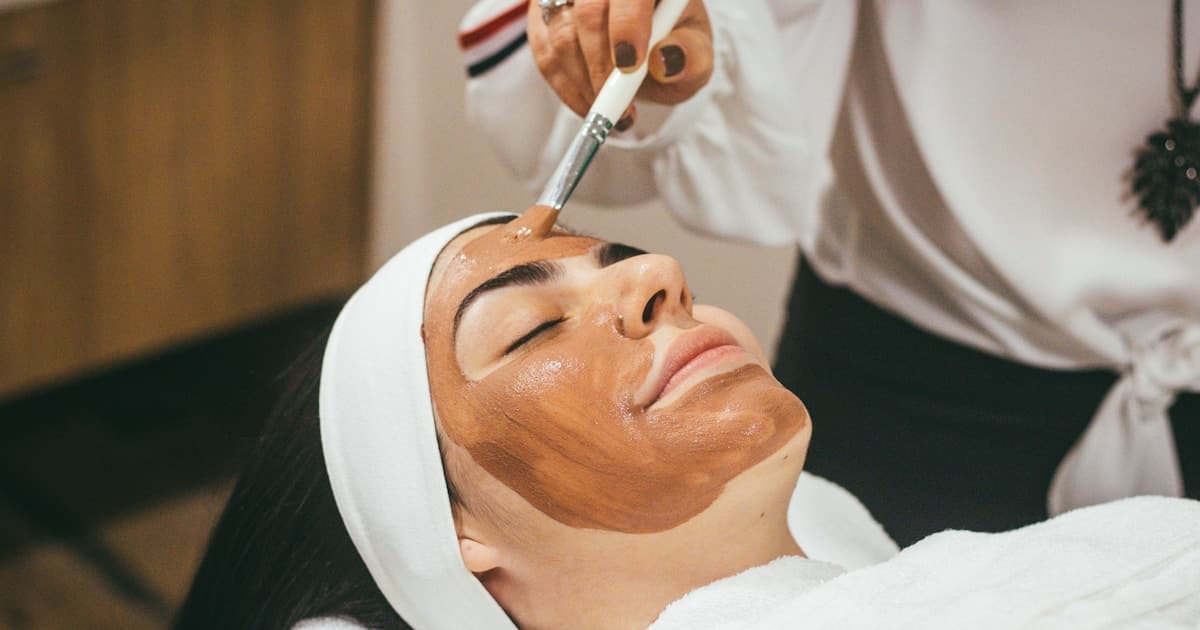
Sonophoresis Facials: The Ultrasound Infusion Trend for Hydrated Sydney Skin in 2026
Sydney clients are becoming more selective about facial treatments in 2026. The brief is no longer “do everything at once.” People want skin that looks fresher, calmer and more expensive, but they also want low downtime, barrier respect and a treatment plan that makes sense with their real life.
That is why sonophoresis facials — also known as ultrasound infusion facials — are coming back into the conversation. The treatment uses gentle ultrasound vibration to help professional serums spread across the surface of the skin and support better product delivery during a facial. For the right client, it can feel like a modern middle ground: more purposeful than a basic cleanse-and-mask facial, but much softer than resurfacing, needling or injectable treatments.
At SkinSpirit in Chatswood, we think of sonophoresis as part of the broader 2026 trend toward skin quality. The goal is not to chase a dramatic one-day transformation. It is to support hydration, comfort, glow and consistency — especially for clients whose skin is dehydrated, dull, tired from actives, or not quite ready for more intensive procedures.
What Is Sonophoresis?
Sonophoresis is a non-invasive technique that uses ultrasound energy during a facial. In simple terms, a handheld device creates high-frequency vibration while a serum or gel is applied to the skin. The treatment is designed to assist product movement and create a more intensive-feeling infusion step without needles.
You may see the same idea described as:
- Ultrasound infusion
- Ultrasonic facial infusion
- Serum infusion facial
- Sonophoresis product delivery
- Deep hydration ultrasound facial
The exact device, serum and protocol can vary from clinic to clinic. That is why consultation matters. A good treatment should not simply push the strongest active available. It should match the serum choice to your skin condition on the day: hydration for tightness, calming support for redness, antioxidants for environmental stress, or barrier-friendly ingredients when the skin is reactive.
Why It Is Trending in 2026
A few beauty trends are converging around sonophoresis this year.
First, clients are more aware of the skin barrier. After years of strong exfoliants, at-home devices and social-media routines, many people now realise that irritated skin does not always need more intensity. It often needs smarter support.
Second, the industry conversation has moved toward skin longevity. Instead of only treating lines, pigmentation or breakouts after they appear, clients are building routines and treatment calendars that preserve hydration, elasticity and resilience.
Third, there is growing interest in beauty tech, but with a more professional lens. At-home gadgets are everywhere, yet many clients are realising that devices work best when guided by someone who understands skin assessment, contraindications and aftercare.
Finally, Sydney lifestyles make low-downtime treatments attractive. Between work, events, UV exposure, air conditioning, winter dehydration and busy schedules, many clients want a facial that can slot into the week without peeling, visible redness or a complicated recovery window.
Sonophoresis fits that mood: calm, polished, intentional and treatment-plan friendly.
What Skin Concerns Can It Support?
A sonophoresis facial is best understood as a supportive skin-quality treatment, not a cure-all. It may be useful when the main goal is to improve how the skin looks and feels between more targeted appointments.
Common reasons clients ask about ultrasound infusion include:
- Dehydrated or tight-feeling skin
- Dullness before an event
- Skin that looks tired from stress or poor sleep
- A compromised-feeling barrier after too many actives
- Seasonal dryness in winter or after travel
- Makeup not sitting smoothly
- Mild congestion where the skin also feels sensitive
- Maintenance between LED, peel, microneedling or injectable appointments
It is not usually the first choice for deep acne scarring, significant pigmentation, advanced laxity or strong resurfacing goals. Those concerns may need a different plan, such as microneedling, clinical peels, LED, injectable skin boosters or a staged combination approach.
What Happens During a Sonophoresis Facial?
A professional ultrasound infusion facial should begin with a proper skin check. Your therapist should ask about your current skincare, medications, recent treatments, pregnancy or breastfeeding status, sensitivity history, active breakouts and upcoming events.
A typical appointment may include:
- Cleanse and skin assessment — to understand oil flow, dehydration, redness, congestion and barrier condition.
- Gentle preparation — this might include a mild exfoliation step if appropriate, or no exfoliation if the skin is already reactive.
- Serum selection — hydration, calming, antioxidant or barrier-support ingredients are chosen for your skin that day.
- Ultrasound infusion — the device is moved across the skin with a conductive product to support the infusion step.
- Soothing finish — a calming mask, LED, moisturiser and SPF may be used depending on the treatment plan.
- Home-care guidance — your practitioner should explain what to use, what to pause, and when to book your next appointment.
The treatment should feel comfortable. Some people notice gentle warmth or vibration, but it should not feel sharp, burning or aggressive.
Ingredients That Pair Well With Ultrasound Infusion
The serum matters. A beautiful sonophoresis facial is not about using the most expensive active; it is about using the right one.
For dehydrated Sydney skin, we often think about hyaluronic acid, glycerin, panthenol and other humectants that help the skin feel plumper and more comfortable. For stressed or sensitive skin, barrier-support ingredients such as beta-glucan, centella, niacinamide in suitable percentages, and soothing peptides may be more appropriate.
For clients exposed to pollution, UV and air-conditioned environments, antioxidant support can also make sense. Vitamin C derivatives, green tea, resveratrol-style antioxidants or other calming antioxidant blends may be considered if the skin tolerates them.
What should be approached carefully? Strong acids, high-strength retinoids or highly active brightening formulas are not automatically better in an infusion treatment. If your skin is sensitised, the smartest move may be a quieter formula and a stronger barrier plan.
Is Sonophoresis Better Than a Hydrating Facial?
Not necessarily. It depends on what your skin needs.
A classic hydrating facial can still be the best option for very reactive, inflamed or first-time clients. Sonophoresis adds a device-based infusion step, which can make the treatment feel more targeted and technology-led. But the device should not replace good judgement.
Think of it this way:
- A basic hydrating facial is ideal for comfort, relaxation and simple replenishment.
- A sonophoresis facial is useful when you want a more advanced serum-delivery step without needles.
- A peel is better when texture, congestion or pigmentation needs controlled exfoliation.
- Microneedling is stronger for collagen stimulation and certain textural concerns.
- LED is excellent as a calming or recovery support alongside many treatment plans.
The best result often comes from choosing the right level of treatment rather than always choosing the most intensive option.
Who Is a Good Candidate?
Sonophoresis may suit clients who want glow, hydration and a refined skin feel with minimal disruption. It can be especially appealing before a work event, dinner, wedding guest moment, photo day or travel, provided your skin has tolerated similar facials before.
It may also be helpful for people who are rebuilding after over-exfoliation. In that case, the goal is not to push actives deeper. It is to support comfort, moisture and confidence while your skin barrier settles.
You may need a different treatment, or medical advice, if you have active infection, significant dermatitis flare, open lesions, recent aggressive resurfacing, certain implanted devices, or a condition your practitioner believes needs clearance before device use. Always disclose recent injectables, skin procedures and medications.
How Often Should You Book It?
For many clients, sonophoresis works well as a monthly maintenance facial or as part of a short hydration series. If your skin is very dehydrated, a practitioner may suggest two or three appointments spaced a few weeks apart, then a maintenance rhythm.
Before an event, timing matters. If you already know your skin responds well to facials, booking several days before the event can give the complexion time to settle into its glow. If you are new to treatments or prone to sensitivity, do not experiment the day before something important. Trial the treatment earlier and keep your event-week plan simple.
For clients having injectables, peels or microneedling, timing should be coordinated. A gentle infusion facial may be useful in a treatment calendar, but it should not be layered randomly around procedures without professional guidance.
At-Home Ultrasound Devices vs In-Clinic Treatment
At-home beauty devices are popular in 2026, and some clients arrive asking whether they can do ultrasound infusion themselves. The honest answer is that home devices and in-clinic treatments are not the same experience.
An in-clinic appointment gives you:
- Skin assessment before the device step
- Professional serum selection
- Hygiene and protocol control
- Guidance on what not to combine
- A plan that fits your skin goals and treatment history
At home, the biggest risk is usually not the device itself; it is poor product pairing, overuse, using it on irritated skin, or combining too many actives because the skin looks dull. If you use home devices, bring them up in consultation so your practitioner can help you avoid overlap.
Aftercare: Keep the Glow, Do Not Overdo It
After a sonophoresis facial, keep your routine boring in the best possible way. Use a gentle cleanser, a supportive moisturiser and daily SPF. Avoid stacking exfoliating acids, scrubs or strong retinoids immediately after unless your practitioner has specifically advised it.
Sydney UV is a major factor in pigmentation, dehydration and skin ageing, even in cooler months. If your facial is designed to build glow, sunscreen is what helps protect that investment.
Also pay attention to how your skin feels the next morning. Good feedback includes softness, comfort, smoother makeup application and a rested look. If you feel tight, hot or irritated, tell your therapist before your next appointment so the plan can be adjusted.
How It Fits Sydney Skin Conditions
Sydney skin has its own rhythm. Summer brings UV, sweat, sunscreen layering and pigmentation risk. Winter brings office heating, cold wind, long showers and that papery dehydration many clients notice around the cheeks and under-eyes. Add stress, travel, long workdays and strong home actives, and it is easy for skin to look flat even when nothing is seriously “wrong.”
That is where a gentle infusion facial can be useful. It gives the practitioner a chance to reset the surface, choose calming hydration and help you leave with skin that feels more cooperative. It is especially relevant for clients who want their skin to look polished without relying on heavier makeup or last-minute aggressive exfoliation.
The SkinSpirit View
We like sonophoresis because it reflects where beauty is heading in 2026: less punishment, more precision. It is not about forcing the skin into a result. It is about supporting the conditions that let skin look healthy — hydration, barrier comfort, consistency and calm.
For some clients, it will be the perfect low-downtime glow facial. For others, it will be one step inside a larger plan that includes LED, peels, microneedling, injectables or home-care changes. The key is personalisation.
If your skin feels dull, dehydrated or unpredictable, an ultrasound infusion facial may be worth discussing at your next SkinSpirit consultation in Chatswood. We can help you decide whether it is the right treatment for your skin today — or whether another pathway will get you to your goal more safely.
Key Takeaways
- Sonophoresis uses ultrasound vibration as part of a professional serum-infusion facial.
- It is trending because 2026 clients want hydration, barrier respect and low downtime.
- It may support dull, dehydrated, tired or mildly sensitive skin when the serum choice is appropriate.
- It is not a replacement for peels, microneedling, LED or injectables when those are better suited to the concern.
- The safest results come from consultation, conservative product pairing and simple aftercare.
For Sydney clients who want polished skin without an aggressive recovery window, sonophoresis is a quietly powerful trend to watch — especially when it is used as part of a thoughtful, long-term skin-quality plan.