Skinimalism Routine Reset: Why Sydney Clients Are Choosing Fewer, Smarter Steps in 2026
For years, skincare advice sounded like a shopping list: cleanse, tone, essence, serum, acid, retinoid, oil, mask, device, repeat. Many Sydney clients became incredibly educated about ingredients — but also overwhelmed, sensitised and unsure which steps were actually helping.
In 2026, the beauty conversation is changing. Across Australian trend reports, professional skin clinics and consumer beauty discussions, one idea keeps appearing: skinimalism. Not the old version that simply meant wearing less makeup, but a more grown-up, clinical version focused on fewer products, better timing, stronger barrier health and professional guidance.
At SkinSpirit, we see this shift as a positive correction. A simplified routine does not mean doing nothing. It means choosing the right basics, reducing unnecessary irritation, and building an in-clinic plan around what your skin genuinely needs — not what a viral routine promised last week.
What Is Skinimalism in 2026?
Skinimalism is the move away from crowded routines and toward a streamlined approach that prioritises skin function. In practical terms, it usually means:
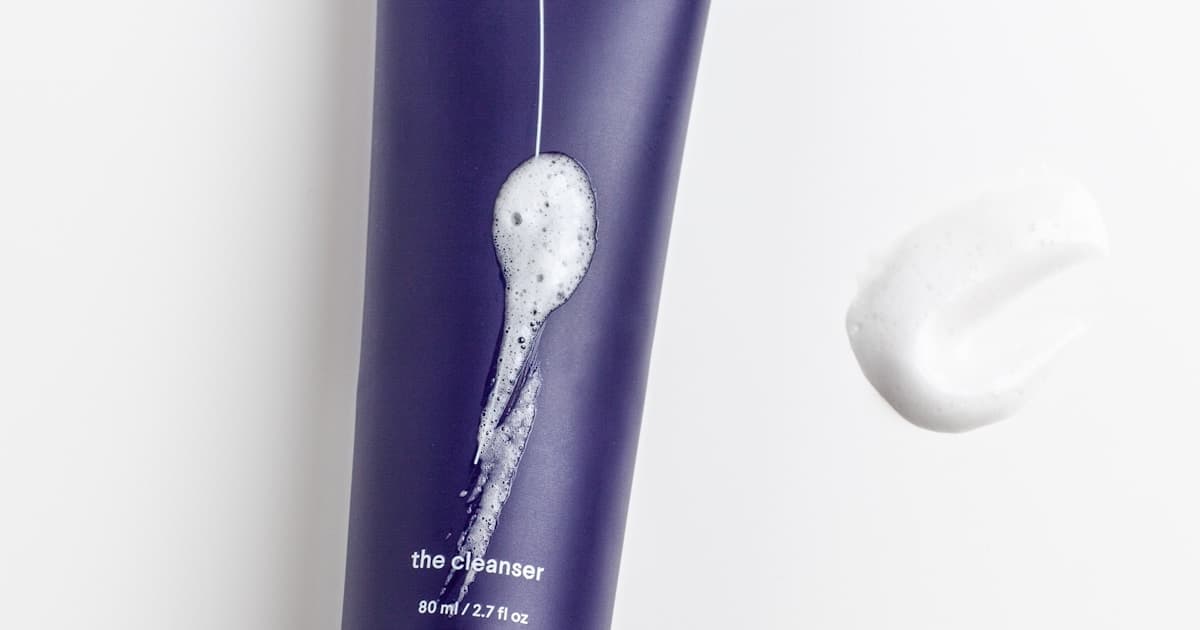
- A gentle cleanser that does not leave skin tight
- A moisturiser that supports barrier lipids
- Daily sunscreen that suits Australian UV exposure
- One or two targeted actives, used consistently
- Professional treatments chosen for the skin's current tolerance
- Enough recovery time between stronger treatments
The 2026 version is more sophisticated than "less is more". It is really better is more. A short routine can still include evidence-informed ingredients such as niacinamide, retinal, peptides, vitamin C, azelaic acid or exfoliating acids — but they are introduced with purpose instead of layered all at once.
For Sydney clients, this matters because our skin is exposed to high UV, humidity changes, dry office air, pollution, air conditioning and seasonal swings. A routine that works beautifully in a northern-hemisphere winter may not suit a Chatswood commute, summer sunscreen reapplication, or post-treatment recovery after a facial or injectable appointment.
Why People Are Resetting Their Routines
The rise of skinimalism is partly a reaction to skincare fatigue. Many people now own more products than they can realistically use. They have tried multiple acids, retinoids, masks, LED devices, cleansing tools and viral "barrier repair" products, yet their skin still feels unpredictable.
Common signs that a routine has become too much include:
- Stinging when applying products that used to feel fine
- Redness around the nose, cheeks or chin
- Breakouts that worsen after adding new actives
- Dry, shiny, tight skin that looks oily but feels dehydrated
- Makeup separating or clinging to texture
- A cycle of treating irritation with even more products
This is why a routine reset can be so powerful. When the skin is irritated, the answer is not always a stronger serum. Often, the first step is removing noise: pausing duplicate actives, simplifying cleansing, restoring moisturising support and letting the skin show us what it actually needs.
Skinimalism Is Not Anti-Treatment
One misconception is that skinimalism means avoiding professional treatments. In reality, the trend works best when home care and clinic care support each other.
A simplified home routine creates a calmer baseline. That makes it easier to plan facials, peels, LED, microneedling or injectable treatments safely because the skin is less reactive and more predictable. It also means the results of professional treatments are not undermined by over-exfoliation, skipped sunscreen or constant product switching.
Think of it like training: you do not get stronger by doing every exercise every day. You improve by choosing the right stimulus, then allowing recovery. Skin is similar. Professional treatments can provide the stimulus; home care and time provide the recovery.
The Professional Facial as a Routine Audit
In 2026, many clients are no longer booking facials only for a one-day glow. They are using appointments as a reset point: a chance to understand what their skin is doing, which products to pause, and which steps deserve consistency.
A skinimalism-focused facial may include:
- Barrier assessment — looking for dehydration, sensitivity, congestion, redness or over-exfoliation.
- Gentle preparation — cleansing without stripping and avoiding aggressive steps when the skin is stressed.
- Targeted treatment — hydration, LED, calming masks, massage, light exfoliation or other options chosen to suit the skin on the day.
- Routine review — identifying duplicate actives, poor timing or product combinations that may be causing irritation.
- Clear next steps — a simple plan for the next two to four weeks.
This is especially useful for clients who have a cupboard full of products but no clear strategy. A professional can help separate the essentials from the extras.
The Core Routine: What Most Skin Actually Needs
A simple routine usually starts with three non-negotiables.
1. Gentle Cleansing
Cleansing should remove sunscreen, makeup and pollution without making the skin feel squeaky. If your face feels tight immediately after washing, your cleanser may be too strong or you may be cleansing too often.
For many clients, one thorough evening cleanse and a lighter morning cleanse is enough. Those wearing heavy sunscreen or makeup may benefit from a double cleanse at night, but the second cleanse should still be gentle.
2. Barrier-Support Moisturiser
A moisturiser is not just a comfort product. It helps reduce water loss and supports the outer skin barrier. Look for ingredients such as ceramides, glycerin, panthenol, squalane, cholesterol, fatty acids, beta-glucan or hyaluronic acid depending on your skin type.
Oily and acne-prone skin still needs moisturiser. Skipping it can make the skin feel more stressed, which may lead to more oiliness and irritation.
3. Daily Sunscreen
In Sydney, sunscreen is the product that protects your results. Pigmentation, collagen loss, redness and post-treatment sensitivity are all influenced by UV exposure. A skinimalist routine without sunscreen is incomplete.
The best sunscreen is the one you will wear generously and reapply when needed. Texture matters. If it pills, stings or feels too heavy, it is worth finding a better match.
The One-Active Rule
Once the basics are stable, the next step is choosing one main active at a time. This is where many routines become complicated. A client may be using vitamin C in the morning, acids every second night, retinal on other nights, a brightening serum, a peptide serum, a clay mask and a home device — all while wondering why the skin feels irritated.
A skinimalist approach asks: what is the main goal right now?
- For pigmentation: consider vitamin C, niacinamide, azelaic acid or professional pigment treatments.
- For texture: consider gentle exfoliation, retinal or microneedling planning.
- For breakouts: consider barrier-safe acne support rather than stripping the skin.
- For ageing support: consider retinoids, peptides, collagen-stimulating treatments or skin boosters where appropriate.
- For sensitivity: focus on barrier repair before stronger actives.
You can add more later, but the skin usually responds better when changes are introduced slowly. This also makes it easier to identify what is working.
Why Sydney Skin Needs Seasonal Adjustments
Skinimalism is not a fixed routine for all twelve months. Sydney's weather changes how products feel and how much support the skin needs.
In summer, clients often prefer lighter textures, sweat-resistant sunscreen, antioxidant support and treatments with minimal downtime. Pigmentation management becomes especially important because UV exposure can trigger or deepen uneven tone.
In winter, dehydration and barrier dryness often increase. Air conditioning, indoor heating and wind can make the skin feel tight. This is when moisturiser texture, gentle cleansing and recovery facials become more important.
The goal is not to reinvent your routine every season. It is to keep the same foundation and adjust the details.
Skinimalism and Injectables
Skinimalism also pairs well with the current preference for natural-looking aesthetic results. Clients increasingly want to look rested, fresh and polished rather than obviously treated.
For injectable clients, simplified skincare supports the skin around the treatment plan. Good hydration, sunscreen and barrier care help the complexion look healthier, while thoughtful treatment timing reduces the risk of irritation before or after appointments.
Before injectables, it may be appropriate to pause strong exfoliants or retinoids depending on your clinician's advice. After treatment, the focus usually returns to gentle cleansing, hydration, sun protection and avoiding unnecessary irritation while the skin settles.
A Sample Two-Week Routine Reset
If your skin feels overwhelmed, a simple reset can help. This is general education, not personal medical advice, but it shows the skinimalist logic.
Week 1: Calm the Skin
Morning:
- Gentle cleanse or rinse
- Hydrating serum if tolerated
- Moisturiser
- Sunscreen
Evening:
- Gentle cleanse
- Moisturiser
- No acids, scrubs or retinoids unless your clinician advises otherwise
During this week, avoid introducing new products. The goal is to see whether the skin becomes less tight, red or reactive.
Week 2: Add One Target
If the skin feels calmer, introduce one active two or three nights per week. Choose it based on your main goal. Do not add multiple new products at once.
If sensitivity returns, pause and reassess. Skinimalism is not about pushing through irritation; it is about listening early.
When to Book a Professional Review
A routine reset is especially helpful if you are dealing with:
- Persistent redness or sensitivity
- Breakouts after changing products
- Pigmentation that keeps returning
- Dryness despite using many hydrating products
- Confusion about retinoids, acids or vitamin C
- A big event where you want a calm skin plan
- Post-treatment recovery after peels, needling, injectables or laser
Professional guidance can prevent wasted spending and reduce the risk of over-treating. Sometimes the best recommendation is a treatment. Sometimes it is a pause. Both can be valuable.
What Skinimalism Gets Right
The best thing about skinimalism is that it respects the skin as a living system. It moves beauty away from constant correction and toward consistency. It also makes skincare more sustainable emotionally and financially: fewer impulsive purchases, fewer conflicting actives, fewer panic changes when the skin flares.
It also improves the quality of professional advice. When a routine is simple, changes are easier to track. If a new serum causes tingling, congestion or dryness, you can identify the trigger quickly. If a treatment improves hydration or texture, you can see the result more clearly because it is not competing with six other new variables. This is one reason clinicians often prefer gradual, documented changes over dramatic routine makeovers.
For clinics, it encourages better planning. Instead of chasing a different trend every month, we can build treatment programs around long-term goals: skin quality, resilience, hydration, pigmentation control, collagen support and natural-looking confidence.
The approach is also more realistic for busy clients. Parents, shift workers, students, professionals and frequent travellers may not have time for complicated routines. A three-to-five step plan that is followed consistently will usually outperform an ambitious ten-step routine that only happens twice a week.
The SkinSpirit Approach
At SkinSpirit in Chatswood, we believe a refined routine should feel achievable. You do not need ten steps to take your skin seriously. You need the right assessment, the right essentials, and a treatment plan that respects your skin's current condition.
A skinimalism consultation or facial can help you answer three practical questions:
- What should I keep using?
- What should I pause?
- What treatment or active would make the biggest difference next?
That clarity is often the real glow.
Final Thoughts
Skinimalism is not a retreat from results. It is a smarter path toward them. In 2026, Sydney clients are becoming more selective, more informed and less impressed by overloaded routines. They want skin that looks healthy in real life, not just under bathroom lighting after five serums.
If your routine feels complicated, your skin feels reactive, or you are unsure what to book next, consider a professional routine reset. Fewer steps may be exactly what your skin needs to start responding again.