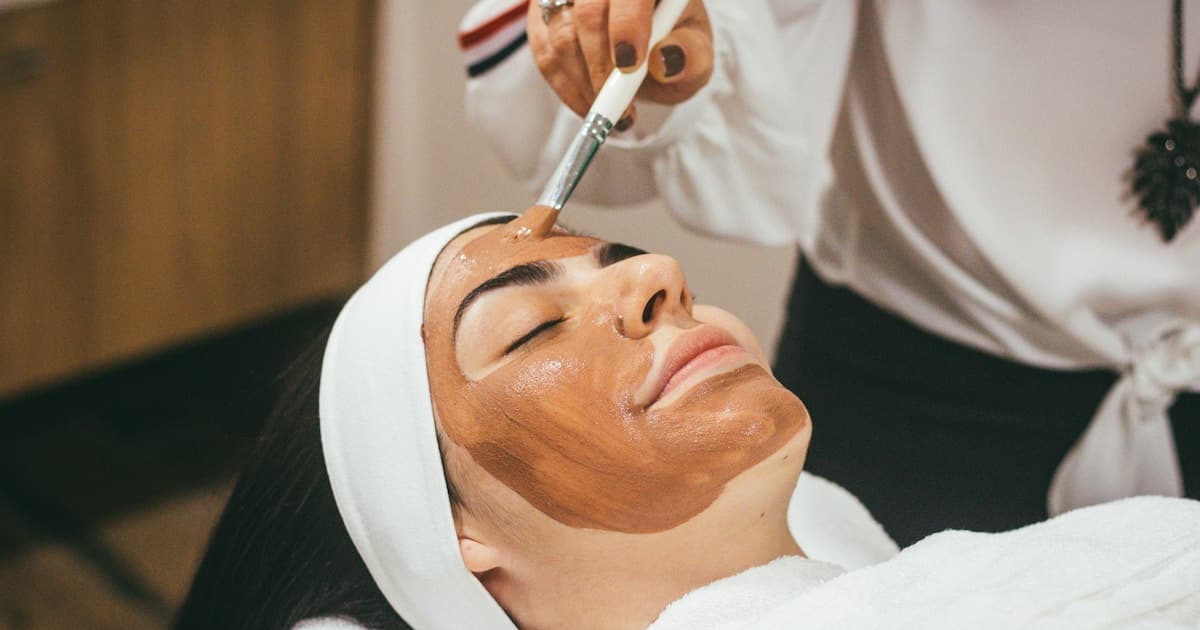
Skin Resilience Facials in Sydney: The 2026 Shift from Quick Fixes to Stronger Skin
In 2026, one of the most important skincare trends is not another viral active, another aggressive peel, or a promise of instant transformation. It is something quieter and much more useful: skin resilience.
Across beauty and aesthetics, the conversation is moving from “how much can we do?” to “how well can the skin recover, adapt and stay calm?” That shift makes sense for Sydney clients. Our skin deals with UV exposure, air-conditioning, seasonal humidity changes, pollution, stress, active skincare routines and, for many people, a mix of professional treatments throughout the year. Healthy-looking skin is no longer just about glow on the day. It is about how your skin behaves between appointments.
A skin resilience facial is not one single machine or ingredient. It is a treatment philosophy. It focuses on strengthening the skin barrier, calming inflammation, supporting hydration, improving texture gradually and choosing professional steps that your skin can actually tolerate. The goal is not to shock the skin into change. The goal is to help it become more stable, responsive and consistent.
For clients who feel stuck in a cycle of redness, dryness, breakouts, sensitivity, uneven texture or over-exfoliation, resilience may be the missing link.
What Does “Skin Resilience” Actually Mean?
Skin resilience is your skin’s ability to maintain balance and recover after stress. That stress can be environmental, hormonal, lifestyle-related or treatment-related. Resilient skin does not mean perfect skin. It means skin that can handle normal life without becoming reactive at every change.
A resilient skin barrier holds water well, keeps irritants out, tolerates active ingredients appropriately and settles after professional treatments within an expected timeframe. It may still experience congestion, pigmentation or ageing changes, but it has a stronger foundation for improvement.
Low-resilience skin often looks or feels inconsistent. It may be glowing one week and irritated the next. It may sting when products are applied. It may become shiny but dehydrated, flaky but oily, or congested despite regular exfoliation. Makeup may sit unevenly. After treatments, redness may linger longer than expected. This is why “more actives” is not always the answer.
In clinic, resilience-focused care asks better questions: Is the barrier intact? Is the skin inflamed? Is the routine too complex? Are we treating the visible concern while ignoring the skin’s capacity to recover? Are treatments being spaced properly?
Why Skin Resilience Is Trending in 2026
The professional beauty industry is moving away from harsh, one-size-fits-all treatment plans. Clients are better informed, but many are also overwhelmed by strong home actives, social media routines and conflicting product advice. At the same time, the wider aesthetics trend is toward natural results, longevity, barrier health and treatments that work with the skin rather than against it.
This is especially relevant in Australia. Sydney clients are exposed to high UV levels and often use sunscreen, retinoids, acids, vitamin C, pigment products and professional treatments at the same time. These can be excellent tools when planned well. But when layered too aggressively, they can push the skin into chronic irritation.
A resilience approach recognises that skin improvement is not only about stimulation. It is also about recovery. Collagen support, brightening, smoothing and hydration all work better when the skin is calm enough to respond.
Signs Your Skin May Need a Resilience Reset
You may benefit from a resilience-focused facial if your skin feels unpredictable. Common signs include:
- Stinging or burning when applying products that used to feel fine
- Redness that appears easily or takes a long time to settle
- Tightness after cleansing, even if the skin also feels oily
- Flaking, roughness or dehydration lines
- Breakouts that worsen after strong exfoliation
- Makeup separating or clinging to dry patches
- Pigmentation that looks darker after irritation or sun exposure
- A feeling that every new product “works for two weeks, then stops”
- Sensitivity after peels, microneedling, retinoids or active skincare
These signs do not mean you can never use active ingredients or have advanced treatments. They mean your skin may need a more strategic sequence.
What Happens in a Skin Resilience Facial?
A true resilience facial should begin with assessment, not assumptions. The practitioner looks at the skin’s hydration, oil flow, redness, texture, congestion, sensitivity and current routine. They may ask about retinoids, exfoliating acids, prescription skincare, recent procedures, sun exposure, medications, hormonal changes and stress.
The treatment itself is usually gentle but purposeful. Depending on your skin, it may include:
1. Barrier-respecting cleansing
Instead of stripping the skin, cleansing should remove sunscreen, makeup and debris while preserving comfort. If the skin already feels compromised, over-cleansing can make the rest of the facial less effective.
2. Mild exfoliation only if appropriate
Resilience facials do not avoid exfoliation forever. They use it carefully. Some clients may suit a very gentle enzyme, PHA or low-strength resurfacing step. Others may need to skip exfoliation entirely for the first appointment and focus on hydration and calming.
3. Hydration layering
Dehydrated skin often looks dull, textured and more lined than it truly is. A resilience facial may use humectants, soothing masks and barrier-supportive ingredients to help the skin hold water more effectively.
4. Calming and redness support
Ingredients such as panthenol, beta-glucan, centella, allantoin, niacinamide, ceramides or other soothing complexes may be used depending on the professional range. The aim is to reduce visible stress and improve comfort.
5. LED or low-stress technology
LED light therapy can be a useful option in a resilience plan because it is generally low downtime and can support calming, recovery and overall skin quality when used consistently. Not every client needs it, but it fits the “support rather than shock” philosophy.
6. A simple home routine plan
The most important part may happen after the treatment: simplifying the home routine. Many sensitive clients are not under-treating their skin; they are over-treating it. A practitioner may recommend pausing some acids, reducing retinoid frequency, improving sunscreen use or adding barrier-supportive moisturiser.
Skin Resilience vs a Glow Facial
A glow facial is often designed to make the skin look fresh quickly. That can be lovely before an event, but it may not address why the skin becomes dull or reactive in the first place.
A resilience facial is more foundational. It still aims for glow, but the glow comes from healthier function: better hydration, calmer tone, smoother texture and less visible irritation. It is ideal for clients who want their skin to look good not just tomorrow, but consistently over the next several months.
Think of it as training the skin rather than forcing a result.
Skin Resilience vs Barrier Repair
Barrier repair and skin resilience are closely related, but they are not exactly the same. Barrier repair focuses on restoring the outer protective layer when it is damaged. Skin resilience is broader. It includes barrier repair, but also considers inflammation, recovery time, treatment sequencing, lifestyle triggers, active ingredient tolerance and long-term maintenance.
For example, a client may have a reasonably intact barrier but poor resilience because they are having too many stimulating treatments close together. Another client may have barrier damage from over-exfoliation and need a repair phase before progressing. Both can benefit from resilience planning, but their programs will look different.
Who Is a Good Candidate?
Skin resilience facials are especially helpful for:
- Sensitive or reactive skin
- Dehydrated skin that feels tight or rough
- Clients using retinoids, acids or pigment-correcting products
- Post-acne marks and inflammation-prone skin
- Rosacea-prone or redness-prone complexions, with suitable modifications
- Clients preparing for stronger treatments later
- People who have had too many harsh treatments and need a reset
- Brides or event clients who want reliability rather than last-minute irritation
- Busy professionals who want low-downtime maintenance
They can also support clients who are planning microneedling, peels, injectables or regenerative treatments. Stronger skin tends to recover more predictably.
When You Should Be Cautious
A resilience facial should still be personalised. If you have active infection, open wounds, severe dermatitis, a recent sunburn, uncontrolled inflammatory skin disease or a medical concern, you may need to postpone treatment or seek medical advice first.
If you are pregnant, breastfeeding, using prescription acne medication, recovering from laser or taking medication that affects the skin, tell your practitioner before treatment. Gentle does not mean “no consultation needed”. The safest results come from matching the facial to your skin history.
How Often Should You Have One?
For a reset phase, many clients benefit from a series of treatments spaced around two to four weeks apart, depending on sensitivity and goals. Once the skin is stable, monthly or seasonal maintenance may be enough.
The bigger point is consistency. Resilience is not created by one heroic appointment. It is built through repeated low-stress support, smart home care and avoiding the boom-bust cycle of aggressive treatment followed by repair.
If your skin has been reactive for months, allow time. A calm, methodical plan often gives better long-term results than chasing a dramatic change in a single session.
The Home Routine: Keep It Boring, Then Build
One of the most powerful resilience strategies is a boring routine. That does not mean low quality. It means reliable, repeatable and appropriate.
A simple reset routine may include:
- A gentle cleanser
- A hydrating serum if tolerated
- A barrier-supportive moisturiser
- Daily broad-spectrum SPF
- Optional active ingredients introduced slowly
Once the skin feels stable, actives can be added back with intention. For example, retinoids may be used fewer nights per week, exfoliating acids may be limited, and brightening products may be chosen based on pigmentation type rather than trend appeal.
The question should not be “what is the strongest product?” It should be “what can my skin use consistently without becoming inflamed?”
Why Sydney Clients Should Think Seasonally
Sydney skin changes across the year. Summer can bring more UV exposure, sweat, sunscreen layering and pigmentation risk. Winter can bring dryness, indoor heating and a stronger temptation to increase retinoids or peels. Spring events and end-of-year social calendars often lead clients to seek quick glow treatments.
A resilience plan can be adjusted seasonally. In summer, the focus may be calming, hydration, antioxidant support and SPF discipline. In cooler months, it may include gradual resurfacing or collagen-supportive treatments if the skin is ready. Before events, it may prioritise low-risk glow rather than experimenting with new actives.
This is where professional guidance helps. The best treatment is not always the most advanced one. It is the one your skin can use at the right time.
What Results Can You Expect?
After one facial, skin may feel calmer, softer, more hydrated and more comfortable. Redness may appear reduced, and makeup may sit better. With a series, clients often notice more consistent texture, fewer irritation cycles, improved glow and better tolerance to well-chosen actives.
Resilience facials are not a replacement for medical treatment where needed. They also will not remove deep pigmentation, acne scarring or laxity overnight. Their value is in creating a healthier platform so targeted treatments can work better and with less unnecessary disruption.
Questions to Ask Before Booking
Before booking a skin resilience facial in Sydney, ask:
- Will my current routine be reviewed?
- Can the treatment be adjusted if my skin is reactive on the day?
- Is exfoliation optional rather than automatic?
- What should I stop using before and after the facial?
- How will this fit with peels, microneedling, injectables or other treatments?
- What is the plan if my skin is sensitive after treatment?
A good practitioner should be comfortable slowing down. In 2026, restraint is not a lack of skill. It is often the sign of a better skin plan.
The SkinSpirit Approach
At SkinSpirit in Sydney, we believe beautiful skin should feel as good as it looks. For many clients, the path to glow starts with calming the skin, restoring hydration and building tolerance before moving into stronger treatments.
A skin resilience facial can be a smart first step if you are unsure what your skin needs, if your routine has become too complicated, or if you want a professional plan that prioritises long-term skin health. It is also a helpful maintenance option between more active treatments.
The future of skincare is not about doing more to the skin. It is about helping the skin do better.
Ready to Build Stronger, Calmer Skin?
If your skin feels reactive, dehydrated or inconsistent, consider booking a consultation-led facial with the SkinSpirit team. We can assess your skin, simplify your routine and build a treatment plan that supports resilience, glow and confidence — without unnecessary downtime.
Book your Sydney skin consultation and let’s help your skin feel steady again.