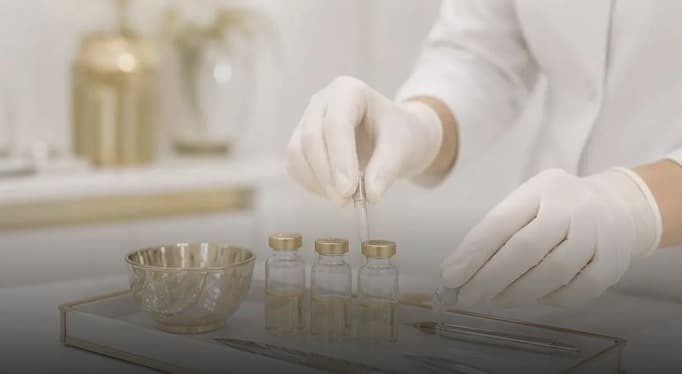
Skin-First Makeup Hybrids: Sydney's 2026 Guide to Tint, Glow and Real Skin Health
The beauty mood in 2026 is clear: people want makeup that looks like skin, feels like skincare and supports the work they are already doing in clinic. Heavy foundation, harsh baking and full-coverage routines are being replaced by sheer skin tints, tinted SPF, serum foundations, peptide blushes, luminous balms and complexion products that promise hydration, barrier support and a soft-focus finish.
For Sydney clients, the trend makes sense. Our climate asks a lot from skin. Strong UV, humidity swings, air conditioning, ocean weekends, busy commutes and event-heavy social calendars can all affect how makeup wears. A product that gives light coverage while also adding hydration or sun protection sounds ideal.
But there is an important difference between skin-first makeup and simply buying a makeup product with skincare words on the label. A hybrid product can be helpful, but it should not replace a thoughtful routine, professional skin support or proper sunscreen habits. The goal is not to hide stressed skin under a glow filter. The goal is to build healthier-looking skin so that lighter makeup actually works.
Here is how to approach the hybrid makeup-skincare trend in a way that suits real Sydney skin.
What Are Makeup-Skincare Hybrids?
Makeup-skincare hybrids are complexion or colour products that combine cosmetic payoff with skincare-inspired ingredients. They may include:
- Skin tints with hyaluronic acid, niacinamide or antioxidants
- Tinted sunscreens and SPF foundations
- Concealers with caffeine, peptides or moisturising agents
- Liquid blushes with botanical oils or barrier-supporting ingredients
- Primers with ceramides, glycerin or smoothing polymers
- Highlighting balms that add glow without a powdery finish
- Serum foundations designed to feel lighter than traditional base makeup
The trend sits inside a larger 2026 shift toward skin longevity, barrier repair, low-effort polish and "your skin but better" beauty. Rather than treating makeup and skincare as separate routines, many brands are designing products that blur the boundary.
That does not mean every hybrid product is automatically beneficial. Ingredient quality, concentration, texture, shade match, SPF use and your skin condition all matter. A beautiful tint can still pill over the wrong moisturiser. A serum foundation can still irritate if it contains fragrance your skin dislikes. A tinted SPF can still under-protect if you apply it like foundation instead of sunscreen.
Why the Trend Is So Popular in Sydney
Sydney beauty clients often ask for the same outcome: polished, healthy, not overdone. They want skin that looks fresh at brunch, professional at work, relaxed at the beach and refined for dinner. Hybrid makeup fits this lifestyle because it offers a flexible middle ground.
The appeal is especially strong for people who are moving away from full glam but still want confidence. A light tint can even out redness without hiding freckles. A luminous balm can make cheekbones look rested without obvious shimmer. A tinted SPF can simplify mornings. A serum concealer can brighten the under-eye area without creasing heavily.
There is also a practical reason. When your skin is well hydrated and your barrier is calm, makeup sits better. It does not catch on dry patches as easily. It is less likely to separate around the nose. It looks less mask-like in natural light. In that sense, the trend is not really about makeup replacing skincare. It is about makeup revealing whether your skincare and treatments are working.
The SkinSpirit View: Makeup Should Support the Skin, Not Fight It
At SkinSpirit, we see hybrid beauty as a useful finishing layer, not the foundation of skin health. The most flattering tint in the world cannot compensate for chronic dehydration, untreated pigmentation, active congestion, rosacea flares or a damaged barrier.
When clients say, "My makeup never sits right," we often look at the skin first. Common reasons include:
- Dehydration, especially in air-conditioned offices
- Over-exfoliation from too many actives
- Barrier damage from harsh cleansers or frequent peels
- Texture from congestion, milia or post-acne scarring
- Uneven pigment after summer UV exposure
- Inflammation from stress, heat, alcohol or unsuitable products
- Incorrect product layering before makeup
Once those underlying issues are addressed, many clients find they need less coverage. Their tint lasts longer, their concealer looks smoother and their glow products look intentional rather than greasy.
Skin Tint vs Foundation vs Tinted SPF
One of the most confusing parts of this trend is language. Brands use terms differently, but here is a simple guide.
Skin tint usually means sheer coverage. It evens tone but lets natural skin show through. It is best for people who want freshness and do not need heavy correction.
Serum foundation usually offers slightly more coverage with a lighter texture than traditional foundation. It may include humectants, antioxidants or skin-conditioning ingredients.
Tinted moisturiser combines hydration and sheer pigment. It can be lovely for normal to dry skin, but may not be enough for oily skin or long humid days.
Tinted SPF is sunscreen with pigment. It can help reduce white cast and, when iron oxides are included, may offer extra visible-light protection for pigmentation-prone skin. The key is applying enough. If you use a tiny cosmetic amount, you are not getting the labelled SPF protection.
Primer-serum hybrids are prep products that smooth, hydrate or grip makeup. They can be useful, but they are not a substitute for moisturiser if your skin is genuinely dry.
For many Sydney clients, the best morning routine is not one miracle product. It is a simple sequence: cleanse gently, hydrate, moisturise if needed, apply adequate SPF, then use tint only where you want coverage.
The SPF Mistake to Avoid
Tinted SPF is one of the most helpful hybrid categories, especially in Australia, but it is also one of the easiest to misuse. Sunscreen protection depends on applying enough product and reapplying when needed. Many people apply tinted SPF like foundation: a small dot on each cheek, blended thinly until it disappears. That may look elegant, but it is unlikely to deliver the advertised protection.
If your tinted SPF is your primary sunscreen, apply it generously and evenly to the full face, neck and exposed areas. If that amount feels too heavy or too pigmented, use a dedicated sunscreen first, then apply your skin tint or complexion product over the top. This is often more comfortable and more reliable.
For pigmentation-prone clients, tinted mineral or hybrid sunscreens can be especially useful because iron oxides may help with visible light, which can contribute to melasma and post-inflammatory hyperpigmentation. But again, quantity matters.
Ingredients That Make Sense in Hybrid Makeup
The best hybrid products use ingredients that are compatible with daily wear and unlikely to cause unnecessary irritation. Look for supportive ingredients such as:
Hyaluronic acid and glycerin for water-binding hydration. These help makeup look plumper and smoother, especially when layered over damp or well-prepped skin.
Niacinamide for barrier support, tone balance and oil regulation. It is popular because many skin types tolerate it well, though very sensitive clients should still patch test.
Ceramides and lipid-supporting ingredients for comfort. These are helpful if your skin often feels tight or makeup clings to dry patches.
Antioxidants such as vitamin E, green tea or other protective botanicals. These can support the skin against environmental stress, though they should not replace sunscreen.
Peptides for a skin-conditioning story. Peptides in makeup are usually supportive rather than transformative, but they can be part of a gentle skin-first routine.
Iron oxides in tinted SPF or complexion products for tone correction and potential visible-light defence.
Be more cautious with products that combine high pigment, fragrance, essential oils and active exfoliating acids. A little radiance is one thing. Daily irritation under makeup is another.
Who Benefits Most from Skin-First Makeup?
This trend can work beautifully for:
- Clients who prefer natural, breathable coverage
- Busy professionals wanting a quicker morning routine
- People maintaining results after facials, peels, LED or injectables
- Mature skin that looks better with flexible, hydrating textures
- Dehydrated skin that dislikes matte foundation
- Pigmentation-prone skin needing daily tint and SPF discipline
- Sensitive skin clients moving away from heavy, drying base products
It can be less straightforward for people with active acne, very oily skin, rosacea flares or a severely impaired barrier. That does not mean you cannot wear hybrids. It means product choice and prep matter more. A dewy serum tint may slide on oily skin. A fragranced glow balm may aggravate rosacea. A rich tinted moisturiser may worsen congestion if it is too occlusive.
If your skin is reactive, choose fewer products, patch test carefully and prioritise barrier repair before experimenting.
How to Prep Skin So Hybrid Makeup Actually Looks Good
Hybrid products perform best on balanced skin. Before buying another tint, refine your prep.
Start with a gentle cleanse. Skin should feel clean, not squeaky. If your face feels tight after washing, your cleanser may be too stripping.
Add hydration while the skin is slightly damp. A simple hydrating serum or mist can help, but avoid layering too many sticky products before makeup.
Seal with the right moisturiser. Dry skin may need a richer cream. Oily skin may only need a lightweight gel-cream. Barrier-impaired skin may need ceramides and fewer actives.
Apply sunscreen properly. Give it a moment to settle before adding tint. If pilling happens, simplify the layers and check whether silicone-heavy and water-based products are clashing.
Use coverage strategically. Instead of applying tint everywhere, try a thin layer through the centre of the face, then spot-conceal redness, pigment or blemishes. This keeps the finish fresh and modern.
Finish according to skin type. Dry skin may only need a balm on high points. Oily skin may need a small amount of powder through the T-zone. Combination skin often needs both approaches in different zones.
Professional Treatments That Pair Well With Skin-First Makeup
The best way to wear less base is to improve the canvas. Depending on your concerns, professional treatment may help with hydration, texture, pigment or overall skin quality.
Hydrating facials support dehydrated skin and help makeup glide more evenly. These are ideal before events, seasonal changes or after periods of travel and stress.
LED light therapy can be a gentle option for calming visible redness and supporting recovery, especially when skin feels reactive.
Barrier-focused treatments are useful if your skin has been over-exfoliated or sensitised. The aim is to restore comfort before returning to stronger actives.
Chemical peels can help with dullness, congestion and uneven tone when selected carefully for your skin type and season. In Sydney, peel planning should always consider UV exposure.
Microneedling or collagen induction may support texture and skin quality over time, but it needs proper aftercare and is not a quick makeup-prep treatment the day before an event.
Cosmetic injectables can complement skin-first beauty by softening expression lines or restoring balance, but they should be approached subtly and professionally. The goal is harmony, not heaviness.
A consultation helps decide whether your main issue is hydration, barrier function, pigment, texture, redness or volume. That diagnosis is more valuable than guessing from trends.
Event Prep: When to Book Treatments Before a Big Day
If you want skin-first makeup for a wedding, photoshoot, birthday or corporate event, timing matters.
For a gentle hydration facial, many clients like booking three to seven days before the event. This allows the skin to look fresh while avoiding last-minute surprises.
For peels, microneedling or more active treatments, plan further ahead. You may need downtime, and your skin may go through a normal recovery period before it looks its best.
For injectables, avoid leaving it until the final week. Results and settling time vary, and you want time for review if needed.
For new hybrid makeup products, test them before the event. Wear the product for a full day, photograph it in natural light and check how it behaves with your sunscreen. The most expensive skin tint is not helpful if it oxidises, separates or irritates your skin after four hours.
Building a Simple Skin-First Makeup Wardrobe
You do not need a complicated kit. A practical Sydney-friendly wardrobe might include:
- A reliable daily sunscreen that you apply properly
- A skin tint or serum foundation for light coverage
- A creamy concealer for targeted correction
- A soft blush or bronzing product that blends without patchiness
- A small powder for the T-zone if needed
- A balm or subtle highlighter for controlled glow
- A barrier-supporting evening cleanser to remove everything gently
The last point is important. Hybrid makeup still needs to be removed. Sleeping in tinted SPF or serum foundation can contribute to congestion, irritation and dullness. Use a gentle first cleanse if you wear water-resistant sunscreen or long-wear products, followed by a non-stripping cleanser if needed.
The Bottom Line
Skin-first makeup hybrids are one of the most wearable beauty trends of 2026. They suit the way many Sydney clients want to look now: polished, fresh, healthy and not overly made up. But the smartest approach is to treat hybrids as the final layer of a skin health plan.
If your tint keeps clinging, separating or looking flat, the answer may not be a new product. It may be dehydration, barrier damage, pigmentation, congestion or a routine that needs simplifying.
At SkinSpirit, we help clients build skin that needs less correction. With the right treatment plan, home routine and product choices, your makeup can become lighter because your skin is doing more of the work.
Ready to create a fresher base for 2026? Book a consultation with SkinSpirit and we can help you choose the right path for hydrated, resilient, natural-looking skin.