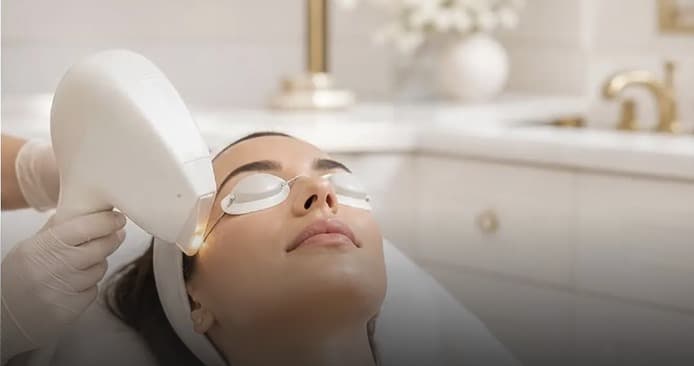
Professional Skin Stimulation: Why Sydney Clients Are Returning to In-Clinic Facials in 2026
After several years of at-home actives, device gadgets and do-it-yourself treatment routines, 2026 is bringing a clear shift in beauty behaviour: clients are returning to trained hands.
The trend is not about rejecting home skincare. A good cleanser, sunscreen, moisturiser and targeted serum still matter. The shift is about understanding the limits of home routines and recognising where professional treatment can create safer, more consistent progress.
Across the beauty and aesthetics industry, 2026 trend forecasts are pointing toward skin longevity, smarter stimulation, barrier respect, regenerative language, calm treatment experiences and personalised plans. For Sydney clients, that combination makes sense. Our skin is exposed to high UV, seasonal humidity changes, air conditioning, pollution, stress and busy lifestyles. A routine that looks impressive on the bathroom shelf may not always match what the skin actually needs.
That is why professional skin stimulation is becoming one of the most practical beauty trends of the year.
What Is Professional Skin Stimulation?
Professional skin stimulation refers to clinic treatments that encourage the skin to repair, renew or function better without relying on harsh, random or excessive irritation.
Depending on the client, this may include:
- Hydration-focused facials that restore comfort and glow
- Enzyme or low-strength chemical exfoliation under professional control
- LED light therapy to support recovery and calm visible redness
- Microneedling or collagen induction therapy when appropriate
- Radiofrequency, skin tightening or other energy-based options in suitable cases
- Lymphatic facial massage to reduce puffiness and improve circulation
- Barrier-repair protocols before and after stronger treatments
- Combination treatment plans that space stimulation and recovery correctly
The important word is professional. Stimulation should be measured. More heat, more needles, more peeling or more actives does not automatically mean better results. In many cases, the smartest treatment plan is the one that knows when to pause, hydrate and protect.
Why the Return to In-Clinic Treatments Is Happening Now
The DIY skincare boom taught many people about ingredients. Clients now know words like retinol, niacinamide, peptides, hyaluronic acid, exfoliating acids and barrier repair. That knowledge is useful, but it also created a new problem: overloaded routines.
Many Sydney clients arrive at consultations with five to ten products, overlapping active ingredients and a history of stopping and starting treatments whenever their skin reacts. The result can be a cycle of temporary glow, irritation, dryness, breakouts, redness and confusion.
In-clinic care helps because it provides three things a bathroom routine cannot always offer:
- Assessment — a trained therapist can look at skin behaviour, not just product labels.
- Control — treatment strength, timing and recovery can be adjusted in real time.
- Sequencing — professional plans consider what comes before and after each treatment.
This is where 2026 beauty is becoming more mature. The question is no longer, "What is the strongest treatment I can do?" It is, "What is the right level of stimulation for my skin right now?"
The Difference Between Product Activity and Skin Progress
A product can feel active without creating meaningful progress. Tingling, tightness, peeling or redness can make a treatment seem powerful, but those sensations are not always signs of improvement.
Professional skin stimulation focuses on outcomes such as:
- Smoother texture
- More even tone
- Better hydration retention
- Reduced congestion
- Improved bounce and firmness over time
- Stronger barrier function
- Faster recovery after treatments
- A calmer, more predictable complexion
Sometimes that means choosing a gentle facial instead of a peel. Sometimes it means preparing the skin for several weeks before microneedling. Sometimes it means using LED and barrier repair to calm inflammation before adding any stronger active.
A professional plan can be less dramatic in the moment and more effective over three to six months.
Why Sydney Skin Often Needs a Careful Approach
Sydney is beautiful, but it is not always gentle on the skin. UV exposure is high, even outside summer. Many clients move between outdoor sun, indoor air conditioning, exercise, commuting, city pollution and irregular sleep. These factors affect pigmentation, dehydration, redness, oil flow and barrier resilience.
That is why copying a routine from a cooler climate, a different skin type or a social media trend can backfire. A winter retinoid routine from Europe may not make sense for a Sydney client with high UV exposure and post-summer pigmentation. A strong exfoliation routine may be too much for someone already dealing with sensitivity, rosacea-prone skin or barrier damage.
Professional treatments can be adapted to the local environment. In summer, the plan may prioritise pigment prevention, hydration and lower-risk glow treatments. In winter, the skin may tolerate more structured resurfacing or collagen-building work, provided aftercare is followed.
The 2026 Client Wants Natural, Healthy-Looking Skin
Another reason in-clinic facials are returning is the broader aesthetic shift toward natural-looking results. Clients still want visible improvement, but they increasingly want to look rested, fresh and balanced rather than obviously treated.
This applies to injectables, facials and skin treatments. Instead of chasing one dramatic before-and-after, clients are looking for cumulative changes:
- Skin that reflects light better
- Makeup that sits more smoothly
- Less reliance on heavy coverage
- Softer-looking texture
- A face that still moves naturally
- Subtle improvement that friends notice without knowing why
Professional skin stimulation supports this because it works with the skin's quality, not just surface appearance. When hydration, texture, barrier health and collagen support improve, the face often looks fresher even before considering any injectable treatment.
Which In-Clinic Treatments Fit the Trend?
There is no single treatment that suits everyone, but several categories are especially relevant in 2026.
Hydration and Barrier Facials
These are ideal for clients who feel tight, dull, sensitised or inconsistent. A barrier-focused facial can cleanse, lightly exfoliate, infuse hydration and calm the skin without pushing it too hard. This type of treatment is often the best first step before stronger procedures.
LED Light Therapy
LED is popular because it can support a calmer treatment journey. Depending on the protocol, LED may be used after facials, peels, microneedling or other treatments to help the skin feel more settled. It is also useful for clients who want regular maintenance without downtime.
Enzyme and Gentle Peel Treatments
Not every exfoliation treatment needs to be aggressive. Professional enzyme treatments and carefully selected peels can brighten and smooth the skin while respecting sensitivity. The key is choosing the right type, strength and timing.
Microneedling
Microneedling remains one of the best-known professional stimulation treatments because it can support collagen induction, texture refinement and acne scar improvement in suitable clients. However, it should not be treated casually. Skin preparation, sterile technique, correct depth, aftercare and spacing all matter.
Lymphatic and Sculpting Facials
Facial massage is having a serious moment because clients want treatments that feel restorative while still improving appearance. Lymphatic techniques can help with puffiness, tension and circulation, especially when combined with hydration and LED.
Combination Plans
Many clients get the best results from a sequence rather than a single treatment. For example, a plan might begin with barrier repair, then introduce LED, then progress to microneedling or a peel when the skin is ready. This is more thoughtful than booking the strongest treatment immediately.
How to Know If Your Skin Is Ready for Stimulation
Before booking a stronger treatment, ask whether your skin currently feels stable. Warning signs that you may need repair before stimulation include:
- Burning or stinging when applying basic products
- Flaking that does not resolve with moisturiser
- Persistent tightness after cleansing
- Sudden breakouts after adding new actives
- Redness that lingers longer than usual
- Skin that looks shiny but feels dry underneath
- A routine with multiple exfoliants or retinoids used together
If any of these sound familiar, the best treatment may be a calming facial, LED session or barrier reset first. Healthy skin responds better to stimulation. Compromised skin often reacts instead of renewing.
What to Ask Before Booking an In-Clinic Facial
A good consultation should feel specific. Before you commit, ask:
- What is my main skin priority: hydration, pigment, texture, congestion, redness or firmness?
- Is my barrier strong enough for this treatment?
- What downtime or aftercare should I expect?
- What products should I stop before treatment?
- How often should this treatment be repeated?
- What results are realistic after one session versus a series?
- Should I avoid sun exposure, retinoids, acids or exercise afterwards?
- How will we adjust if my skin reacts?
These questions protect you from trend-chasing. They also help your therapist build a plan that fits your skin, budget and lifestyle.
The Role of Homecare Between Treatments
Professional facials work best when homecare supports the plan. That does not mean owning every trending product. In many cases, the best support routine is simple:
- Gentle cleanser
- Barrier-supporting moisturiser
- Daily broad-spectrum SPF
- One or two targeted actives chosen for your goal
- Recovery products after stronger treatments
The in-clinic treatment does the controlled stimulation. Homecare maintains the environment your skin needs to respond well.
This is especially important after microneedling, peels or energy-based treatments. The recovery window is when many clients accidentally undo progress by using retinoids, acids, scrubs, heat or sun exposure too soon. Professional guidance prevents that.
Why "Trained Hands" Matter
One of the strongest beauty messages of 2026 is the return of trust. Clients are tired of guessing. They want someone to interpret their skin, explain options clearly and say no when a treatment is not appropriate.
Trained hands matter because skin is dynamic. It changes with hormones, weather, stress, sleep, medication, diet, travel and product use. A treatment that was perfect three months ago may not be right today. Professional care allows the plan to evolve.
At SkinSpirit, this is also where the combination of beauty therapy and medical aesthetics becomes valuable. Some clients need facials and barrier work. Some need injectable consultation. Some need a blend of skin quality treatments and subtle aesthetic planning. The best path is not always the most complicated one; it is the one that matches the person.
A Sensible Treatment Rhythm for 2026
For many Sydney clients, a practical yearly rhythm might look like this:
- Monthly or seasonal facials for hydration, congestion and barrier maintenance
- LED support during stressful, sensitised or post-treatment periods
- Structured collagen treatments such as microneedling when skin is prepared
- Pigmentation-aware planning around summer sun exposure
- Calmer recovery periods after stronger procedures
- Review of homecare every few months rather than constant product switching
This approach is not flashy, but it is effective. It treats skin as a long-term investment rather than a series of emergencies.
Who Is This Trend Best For?
Professional skin stimulation may be helpful if you:
- Feel stuck despite using good skincare
- Want glow without over-exfoliating
- Are preparing for an event and want a safer plan
- Have texture, dullness or mild congestion
- Are curious about microneedling but unsure if you are ready
- Want natural-looking skin improvement over time
- Need help simplifying an overloaded routine
- Prefer expert guidance instead of trial and error
It may not be suitable to jump straight into strong treatments if you are pregnant, recently sunburnt, using certain medications, actively inflamed, recovering from a procedure or dealing with unmanaged skin conditions. A consultation is essential.
The Bottom Line
Professional skin stimulation is not about doing more to the skin. It is about doing the right thing, at the right intensity, in the right order.
In 2026, the most sophisticated beauty clients are not chasing every trend. They are choosing guided treatment plans, stronger barriers, healthier glow and natural-looking progress. For Sydney skin, that approach is especially valuable.
If your routine feels confusing, your skin feels reactive, or your glow has stalled, an in-clinic assessment may be the smarter next step. With trained hands, controlled treatment and simple homecare, skin can become more resilient, more luminous and easier to live with.
At SkinSpirit, we help clients build treatment plans that respect the skin first — because the best results are not rushed, forced or overdone. They are carefully stimulated, supported and maintained.