Pregnancy-Safe Pigmentation Care in Sydney: Melasma, Glow and Barrier Support in 2026
Pregnancy can make skin feel beautifully luminous one week and confusingly reactive the next. Hormonal shifts, higher UV sensitivity, heat, disrupted sleep and changes to your usual skincare routine can all show up on the face as dryness, flushing, breakouts or uneven pigment. One of the most common concerns is melasma, often called the “mask of pregnancy”: soft brown or grey-brown patches that usually appear on the cheeks, forehead, upper lip or jawline.
In Sydney, pregnancy-related pigmentation needs special respect. Our UV is strong even on cool or cloudy days, many clients commute in bright visible light, and a lot of popular pigment treatments are not suitable while pregnant or breastfeeding. The 2026 beauty trend is not about chasing aggressive correction during a sensitive life stage. It is about protecting the skin, calming the barrier, preventing pigment from deepening and planning the right next step at the right time.
This guide explains how to think about pregnancy-safe pigmentation care, what to avoid, what may be worth discussing with your doctor, and how a gentle professional facial can support glow without pushing the skin too hard.
General note: pregnancy and breastfeeding skincare should always be personalised. This article is educational, not medical advice. If you are pregnant, trying to conceive, breastfeeding, taking medication or managing a skin condition, check with your GP, obstetrician, dermatologist or maternal health provider before starting active ingredients or in-clinic treatments.
Why pigmentation can appear during pregnancy
Melasma is influenced by multiple triggers, which is why it can feel stubborn. During pregnancy, changing oestrogen and progesterone levels can stimulate melanocytes, the pigment-producing cells in the skin. UV exposure, visible light, heat and inflammation can then encourage pigment to darken or linger.
For many people, the pattern is gradual rather than sudden. A faint shadow above the lip becomes more obvious after a sunny weekend. Cheek patches appear darker after a walk, a beach day, hot yoga, cooking near heat or a period of poor sleep. The skin may also feel more reactive than usual, which makes the old “stronger is better” approach risky.
Sydney conditions matter too. UV exposure is year-round, not only a summer issue. UVA passes through many windows and contributes to pigmentation and premature ageing. Visible light may worsen pigment in some skin tones, especially deeper Fitzpatrick types. Heat can be a trigger, so pigment care is not only about sunscreen; it is also about keeping the skin calm.
The 2026 approach: protect first, correct later
The biggest shift in modern pigmentation care is patience. During pregnancy, the safest and most effective strategy is usually a three-part plan:
- Prevent pigment from worsening with diligent sun and visible-light protection.
- Support the skin barrier so the skin stays calm, hydrated and less inflamed.
- Use only appropriate brightening support after professional guidance, saving stronger treatments for postpartum if needed.
This can feel less exciting than lasers or prescription pigment creams, but it is the approach that respects both skin safety and long-term results. A compromised barrier, irritation or inappropriate active use can create more inflammation, and inflammation can make pigmentation worse.
Step one: make SPF your pigment treatment
For pregnancy-related pigmentation, sunscreen is not the “extra” step. It is the foundation. The most elegant brightening serum cannot outperform inconsistent protection in a high-UV city.
Look for a broad-spectrum SPF 50 or SPF 50+ that you genuinely like wearing every day. Many pregnant clients prefer mineral filters such as zinc oxide, especially if the skin is reactive, but the best sunscreen is the one you will apply properly and reapply. For pigmentation-prone skin, a tinted mineral sunscreen or tinted SPF can be especially useful because iron oxides help protect against visible light.
A practical Sydney pigment routine looks like this:
- Apply enough SPF every morning, including the upper lip, temples, ears and jawline.
- Reapply when outdoors, sweating, driving for long periods or sitting near bright windows.
- Wear a hat and sunglasses, especially during school runs, errands, outdoor lunches and beach walks.
- Avoid using makeup SPF as your only protection unless you are applying a true sunscreen amount.
- Keep a compact, mist or spare SPF in your bag so reapplication is realistic.
If melasma is already visible, think of sunscreen as a daily pigment stabiliser. It will not erase patches overnight, but it can help stop the cycle of darkening.
Step two: simplify the routine
Pregnancy often makes skin more sensitive. A routine that worked perfectly before may suddenly sting, pill, dry the skin or trigger breakouts. Rather than adding more products, most pigmentation-prone clients do better with a calmer structure:
Morning
- Gentle cleanse or rinse
- Hydrating serum or mist if needed
- Pregnancy-appropriate antioxidant or brightening support, if cleared for you
- Barrier moisturiser
- SPF 50+
Evening
- Gentle cleanse
- Hydrating or barrier serum
- Moisturiser
- Occlusive balm only on dry patches if needed
The goal is not a ten-step routine. It is consistent protection and low irritation. If your skin feels tight after cleansing, stings with moisturiser or flakes around the mouth and nose, the barrier probably needs attention before pigment actives.
Ingredients commonly paused during pregnancy
Many clients arrive with products they bought before pregnancy and are unsure what to keep. The conservative approach is to pause ingredients that are commonly advised against during pregnancy unless your healthcare provider says otherwise.
Ingredients often avoided or paused include:
- Retinoids including retinol, retinal, adapalene, tretinoin and isotretinoin-derived products
- Hydroquinone, a strong pigment-lightening ingredient with relatively high absorption compared with many topicals
- High-strength salicylic acid peels or high-dose salicylic products
- Strong at-home peels or aggressive exfoliating combinations
- Unregulated “bleaching” creams or products with unclear ingredient lists
This does not mean pregnancy skincare has to be passive. It simply means the toolkit changes. Brightening during pregnancy is more about prevention, antioxidants, barrier health and gentle support than forceful pigment suppression.
Ingredients to ask about instead
Some ingredients are commonly discussed as gentler options for pregnancy skin, but suitability still depends on your health history, trimester, sensitivity, concentration and product formula. Ask your doctor, dermatologist or pregnancy care provider before starting new actives.
Options that may be discussed include:
- Vitamin C for antioxidant support and glow
- Niacinamide for barrier support, redness, oil balance and uneven tone
- Azelaic acid for pigmentation-prone, acne-prone or redness-prone skin when professionally approved
- Hyaluronic acid and glycerin for hydration
- Ceramides, cholesterol and fatty acids for barrier repair
- Panthenol, allantoin, beta-glucan and centella for comfort and calm
- Gentle lactic acid or enzyme exfoliation only if appropriate and not irritating
The most important rule is not to introduce everything at once. Pregnancy skin can be reactive, so patch testing and slow introduction matter.
What professional treatments are usually avoided
Many high-impact pigment treatments are better reserved for after pregnancy and often after breastfeeding, depending on medical advice. These may include prescription-strength pigment programs, deeper chemical peels, certain lasers, intense heat-based treatments and procedures that require numbing, downtime or strong post-treatment actives.
This is not because every technology is automatically unsafe in every situation; it is because pregnancy is a cautious window, and there is often limited pregnancy-specific evidence for elective aesthetic treatments. Clinics should not pressure you into aggressive pigment correction while pregnant.
A responsible clinic will ask about pregnancy, breastfeeding, medications, skin history, allergies, recent sun exposure and your healthcare provider’s guidance before recommending anything.
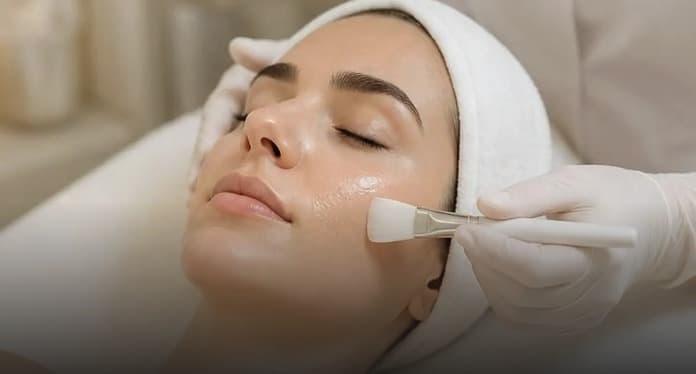
What a pregnancy-conscious facial can focus on
A gentle professional facial can still be valuable during pregnancy when it is designed appropriately. The aim is support, not trauma.
A pregnancy-conscious facial may focus on:
- Thorough but gentle cleansing
- Barrier assessment
- Hydrating masks
- Calming massage techniques, adjusted for comfort
- Pregnancy-appropriate antioxidant or soothing serums
- Non-aggressive exfoliation if suitable
- SPF education and product routine simplification
- Homecare planning for pigment prevention
At SkinSpirit, the best facial plan for a pregnant client would be conservative and collaborative. If something is not appropriate, the answer should be no. Beautiful skin does not require pushing through sensitivity.
The role of heat and inflammation
Pigmentation care often focuses only on UV, but heat and inflammation can also matter. This is why some clients notice melasma darkening after hot showers, saunas, heated exercise, cooking, outdoor sport or facial treatments that create excessive warmth.
You do not need to avoid life, but you can reduce unnecessary triggers:
- Choose shade and cooler times of day for outdoor walks.
- Rinse with lukewarm water rather than very hot water.
- Avoid scrubs that leave the skin pink and polished.
- Pause harsh actives if the skin is already flushed.
- Use calming products after sun, wind or heat exposure.
- Be cautious with treatments marketed as “intense” or “deep resurfacing” during pregnancy.
If the skin is inflamed, pigment is harder to control. Calm is a treatment strategy.
Postpartum pigmentation: when to reassess
Some pregnancy pigmentation fades gradually after birth as hormones settle. For others, it persists, especially if there has been ongoing UV exposure or if melasma was present before pregnancy. Postpartum is a good time to reassess, but it is still important to factor in breastfeeding, sleep, stress, medications and the reality of caring for a newborn.
A staged postpartum plan may include:
- Continue strict SPF and visible-light protection.
- Rebuild barrier and hydration first.
- Reintroduce actives slowly only when cleared.
- Consider professional pigmentation programs if melasma persists.
- Avoid rushing into laser or peels if the skin is still reactive.
The best results usually come from sequencing. Barrier first, pigment plan second, device or peel only when appropriate.
Why personalised advice matters for darker skin tones
Melasma and post-inflammatory hyperpigmentation can be more common and more persistent in medium to deeper skin tones. These skin types can also be more prone to pigment changes if a treatment is too aggressive. That makes a careful consultation essential.
A good pigmentation plan should consider:
- Your natural skin tone and tanning response
- Whether the pigment is epidermal, dermal or mixed
- History of eczema, dermatitis, acne or rosacea
- Previous reactions to peels, lasers or active ingredients
- Pregnancy or breastfeeding status
- Lifestyle triggers such as sun exposure, heat and outdoor work
For many clients, the safest path is not “more powerful”. It is more precise.
A simple pregnancy-safe pigment checklist
Use this as a discussion guide with your healthcare provider and skin therapist:
- Am I using a true broad-spectrum SPF 50+ every day?
- Would a tinted SPF with iron oxides suit my skin tone and texture?
- Are any of my current products retinoids, hydroquinone or strong acids?
- Is my cleanser stripping my skin?
- Do I have stinging, tightness or flaking that suggests barrier damage?
- Could heat, sun or visible light be deepening my pigment?
- Which ingredients are appropriate for my pregnancy stage and medical history?
- Should I wait until postpartum for stronger pigmentation correction?
Bringing your product list to an appointment can save guesswork. Photos taken in the same lighting every few weeks can also help you track whether pigment is stabilising.
When to seek medical review
Most pregnancy pigmentation is harmless, but any changing, irregular, bleeding, painful or unusual spot should be checked by a medical professional. Australia has high skin cancer rates, and pregnancy does not remove the need for skin checks. If a mark looks different from your usual pigmentation pattern, book a review rather than assuming it is melasma.
You should also seek professional advice if pigmentation appears suddenly with other symptoms, if your skin is severely inflamed, or if you are considering prescription ingredients.
The SkinSpirit philosophy
Pregnancy is not the time for fear-based beauty advice. It is also not the time for aggressive correction just because a trend is popular. The best pregnancy skin plan should feel calm, informed and respectful.
For pigmentation-prone skin in Sydney, the essentials are simple but powerful: SPF every day, visible-light awareness, barrier support, gentle professional guidance and patience. If stronger correction is needed later, you can build a postpartum plan from a healthier, more stable skin foundation.
Skin does not need to be perfect during pregnancy. It needs to be protected, comfortable and supported. That is where real glow begins.
Key takeaways
- Pregnancy-related melasma is common and influenced by hormones, UV, visible light, heat and inflammation.
- In Sydney, daily SPF 50+ and hat protection are non-negotiable for pigmentation prevention.
- Retinoids, hydroquinone, strong peels and aggressive pigment treatments are commonly paused unless a healthcare provider advises otherwise.
- Gentle facials can support hydration, comfort and barrier health when designed conservatively.
- Postpartum pigment correction should be staged, especially if breastfeeding or barrier sensitivity is present.
- If a spot looks unusual or changes, seek medical review rather than assuming it is pigmentation.
Ready to simplify your pregnancy skincare routine? Book a conservative skin consultation and bring your current products. We can help you identify what to pause, what to keep and how to protect your glow safely through Sydney’s high-UV seasons.