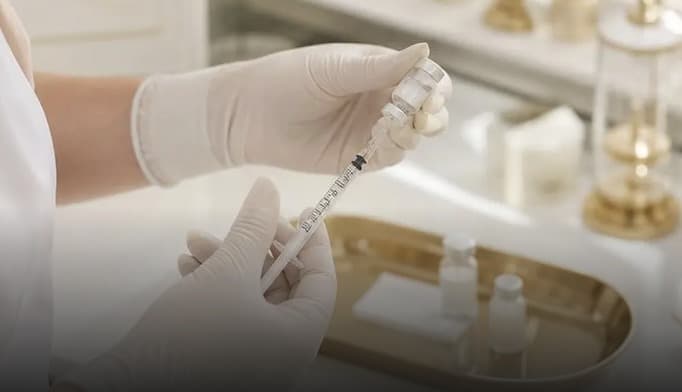
Polynucleotide Skin Boosters: The Regenerative Injectable Taking Sydney by Storm in 2026
If you follow the aesthetics world even casually, you've probably heard the buzz: polynucleotide skin boosters are everywhere in 2026. From K-beauty clinics in Seoul to medical aesthetics practices right here in Sydney, these DNA-derived injectables have become the treatment that practitioners and clients alike can't stop talking about.
But unlike many beauty trends that come and go, polynucleotides aren't just hype. They're backed by a growing body of peer-reviewed research — and they represent a genuine shift in how we approach skin rejuvenation. Rather than filling, freezing, or resurfacing the skin, polynucleotides work with your biology to repair and regenerate from within.
As an injection nurse who has watched this treatment gain momentum across Australian clinics, I want to give you a thorough, honest breakdown of what polynucleotide skin boosters actually are, how they work, who they're best suited for, and how they compare to other treatments you might be considering.
What Are Polynucleotides?
Polynucleotides (PNs) are long chains of nucleotides — the fundamental building blocks of DNA. In aesthetic medicine, they're derived from purified salmon or trout DNA through a careful extraction and purification process that makes them biocompatible with human tissue.
When we say "biocompatible," we mean that your body recognises these molecules as natural and doesn't mount an immune response against them. This is one of the key reasons polynucleotides have such an excellent safety profile compared to synthetic compounds.
The Science Behind PN Skin Boosters
Once injected into the dermal layers of the skin, polynucleotides trigger a cascade of regenerative processes:
-
Fibroblast stimulation — PNs activate fibroblasts, the cells responsible for producing collagen, elastin, and hyaluronic acid. This isn't just a temporary boost; it's a genuine upregulation of your skin's own repair machinery.
-
Collagen and elastin synthesis — By stimulating fibroblasts, PNs lead to increased production of the structural proteins that keep skin firm, elastic, and resilient. Research published in the International Journal of Molecular Sciences confirms that PN-based treatments significantly enhance collagen synthesis in treated tissue.
-
Anti-inflammatory action — Polynucleotides have demonstrated anti-inflammatory properties, helping to calm irritated or sensitised skin. This makes them particularly valuable for clients with reactive skin or those recovering from other treatments.
-
Antioxidant protection — PNs help reduce oxidative stress at the cellular level, protecting skin cells from the damage caused by UV exposure, pollution, and other environmental aggressors.
-
Improved tissue hydration — Beyond stimulating structural proteins, PNs enhance the skin's ability to retain moisture, leading to improved hydration from within rather than simply adding external moisture.
-
Enhanced microcirculation — Polynucleotides support better blood flow to treated areas, improving oxygen and nutrient delivery to skin cells. This is why many clients notice their skin looks less dull and fatigued after a course of treatment.
How Polynucleotide Treatments Are Performed
A polynucleotide treatment is a relatively straightforward procedure, but it does require a skilled practitioner to achieve optimal results.
The Treatment Process
Consultation — Every treatment begins with a thorough skin assessment. We evaluate your skin quality, discuss your concerns and goals, and determine whether polynucleotides are the right approach for you.
Preparation — The treatment area is cleansed, and a topical anaesthetic cream is applied to ensure comfort. Most clients find the procedure very tolerable.
Injection technique — Using fine needles, the polynucleotide solution is delivered into the superficial to mid-dermal layers of the skin. The technique varies depending on the treatment area:
- Face — Multiple small deposits are placed across the cheeks, forehead, and jawline using a grid-like pattern
- Under-eyes — Precise, careful injections target the delicate periorbital area where skin thinning is most noticeable
- Neck and décolletage — Broader coverage addresses the crepey, sun-damaged skin that often ages faster than the face
- Hands — The dorsal surfaces of the hands respond beautifully to polynucleotide treatment
Duration — The actual injection process typically takes 20–30 minutes, depending on the areas being treated.
Aftercare — Mild swelling, redness, and small bumps at injection sites are normal and usually resolve within 2–3 days. We advise avoiding makeup for 12 hours, intense exercise for 24 hours, and direct sun exposure for a few days post-treatment.
Treatment Protocol
For optimal results, most practitioners recommend an initial course of three sessions spaced 3–4 weeks apart. This allows the regenerative processes to build on each other, creating cumulative improvement.
After the initial course, maintenance sessions every 4–6 months help sustain the results long-term. Some clients choose to have a single "refresh" treatment before special events, though the real value of polynucleotides lies in the gradual, progressive improvement they deliver over time.
Who Are Polynucleotide Skin Boosters Best For?
One of the most appealing aspects of polynucleotide treatment is its versatility. It's suitable for a wide range of clients and concerns:
Ideal Candidates
-
Early signs of ageing (30s–40s) — Clients who are noticing the first signs of skin laxity, fine lines, and loss of luminosity. PNs can slow the trajectory of ageing by supporting the skin's structural integrity before significant damage occurs.
-
Mature skin (50s+) — Older clients seeking genuine skin quality improvement without the "done" look. Polynucleotides won't dramatically change facial structure, but they can significantly improve texture, firmness, and radiance.
-
Sun-damaged skin — Australian skin that's been exposed to years of UV radiation often shows signs of photoageing: uneven tone, rough texture, and loss of elasticity. PNs address these concerns at the cellular level.
-
Under-eye concerns — The periorbital area is one of the most popular treatment zones for polynucleotides. The thin, delicate skin around the eyes responds remarkably well, with improvements in dark circles, fine lines, and crepiness.
-
Post-treatment recovery — Clients who have undergone laser treatments, chemical peels, or microneedling can benefit from polynucleotides as a "primer" or recovery support. Research suggests that PN-primed skin responds better to subsequent treatments because fibroblasts are already upregulated.
-
Sensitive or reactive skin — Unlike some injectable treatments that can provoke sensitivity, polynucleotides' anti-inflammatory properties make them suitable for clients who react to more aggressive interventions.
Who Should Wait or Consider Alternatives
Polynucleotides are not a substitute for dermal fillers if your primary concern is volume loss. They won't lift sagging jowls or restore lost cheek volume. They're a skin quality treatment, not a structural one.
Similarly, if you have active skin infections, autoimmune conditions affecting the skin, or a known allergy to fish-derived products, polynucleotide treatment may not be appropriate. Always disclose your full medical history during consultation.
Polynucleotides vs PDRN: Understanding the Difference
If you've been researching this topic, you've likely come across both "polynucleotides" (PN) and "polydeoxyribonucleotides" (PDRN). They're related but not identical, and understanding the difference matters.
Molecular Structure
PDRN consists of shorter DNA fragments, typically 50–2,000 base pairs in length. These smaller molecules work primarily through activation of the adenosine A2A receptor, which triggers anti-inflammatory and wound-healing responses.
PN consists of longer DNA chains, typically over 2,000 base pairs. These larger molecules provide more sustained dermal stimulation and offer broader regenerative benefits because they interact with skin cells through multiple pathways, not just adenosine receptor activation.
Clinical Differences
| Feature | PDRN | Polynucleotides (PN) | |---------|------|---------------------| | Chain length | Short (50–2,000 bp) | Long (>2,000 bp) | | Primary mechanism | Adenosine A2A receptor activation | Multi-pathway fibroblast stimulation | | Best for | Healing, repair, sensitive skin | Deep rejuvenation, structural improvement | | Results timeline | Faster initial response | Gradual, longer-lasting results | | Resistance to degradation | Lower | Higher (stays active longer) | | Combination potential | Excellent post-procedure support | Excellent as a rejuvenation primer |
Can You Have Both?
Yes — and increasingly, practitioners are combining PN and PDRN in comprehensive rejuvenation plans. PDRN for immediate healing and soothing, followed by PN for deeper, long-term structural improvement. If you've read our previous article on PDRN and salmon DNA therapy, polynucleotides represent the next evolution of that science.
Polynucleotides vs Traditional Skin Boosters
Another common comparison is between polynucleotide injectables and traditional hyaluronic acid (HA) skin boosters like Profhilo or Restylane Skinboosters.
Key Differences
Mechanism of action:
- HA skin boosters work primarily through hydration. They attract and bind water within the skin, creating an immediate plumping and moisturising effect.
- Polynucleotides work through regeneration. They stimulate the skin's own repair processes to produce more collagen, elastin, and natural hyaluronic acid.
Results timeline:
- HA boosters deliver visible results within days — skin looks dewier, smoother, and more radiant almost immediately.
- Polynucleotides deliver gradual results over weeks to months as the regenerative processes take effect.
Duration of results:
- HA boosters typically last 3–6 months before the hyaluronic acid is naturally metabolised.
- Polynucleotides can deliver improvements lasting 6–12 months because they're stimulating your skin to produce its own structural components.
What they improve:
- HA boosters improve how the skin looks — smoother, more hydrated, more radiant.
- Polynucleotides improve how the skin functions — firmer, more elastic, more resilient.
The Best of Both Worlds
Many Sydney practitioners, including our team, believe the ideal approach combines both modalities. An HA skin booster provides the immediate glow and hydration boost that clients love, while polynucleotides work beneath the surface on long-term structural improvement.
Think of it this way: HA boosters are like watering a garden, while polynucleotides are like enriching the soil. Both matter, and together they create the healthiest possible environment for your skin.
What Results Can You Realistically Expect?
Setting realistic expectations is crucial with any aesthetic treatment. Here's what the research and clinical experience tell us about polynucleotide outcomes:
After the First Session
Don't expect dramatic changes. You may notice a subtle improvement in skin hydration and a slight "glow" within the first week, but the real work is happening below the surface. Your fibroblasts are being activated and beginning to ramp up collagen production.
After the Second Session (4 Weeks)
Most clients begin to notice tangible improvements around this point:
- Skin texture feels smoother and more refined
- Fine lines appear softened
- The under-eye area looks less hollow and less dark
- Overall skin tone appears more even
After the Third Session (8 Weeks)
This is where the cumulative effect really becomes visible:
- Skin firmness and elasticity are noticeably improved
- Pore size may appear reduced
- The skin has a healthier, more luminous quality
- Fine lines and crepe-like texture are significantly reduced
Long-Term (3–12 Months Post-Treatment)
The regenerative benefits continue to develop for several months after the final session. Many clients report that their skin continues to improve for up to three months after completing their initial course. With maintenance sessions every 4–6 months, results can be sustained indefinitely.
Polynucleotides as Part of a Comprehensive Treatment Plan
One of the most exciting aspects of polynucleotide therapy is how well it integrates with other treatments. Rather than being a standalone solution, PNs can enhance virtually every other treatment in a modern aesthetics clinic:
Combination Protocols
PN + RF Microneedling — Polynucleotides prime the skin for better response to radiofrequency microneedling by upregulating fibroblasts before the procedure. This means your skin is already in "repair mode" when the microneedling creates controlled micro-injuries, potentially amplifying collagen production.
PN + Chemical Peels — Pre-treating with PNs can improve the skin's resilience to peeling agents, while post-peel PN treatment supports faster, more complete recovery.
PN + Anti-Wrinkle Injections — While anti-wrinkle injections address dynamic wrinkles (caused by muscle movement), PNs address the underlying skin quality. Together, they create a more comprehensive anti-ageing result.
PN + Dermal Fillers — Fillers restore lost volume and structure, while PNs improve the quality of the skin overlying those fillers. The combination creates results that look more natural and last longer.
PN + LED Light Therapy — LED therapy enhances cellular activity and can complement the regenerative effects of polynucleotides, particularly when used in the days following PN treatment.
The Australian Regulatory Landscape
In Australia, polynucleotide treatments fall under the purview of the Therapeutic Goods Administration (TGA). It's important to understand what this means for you as a consumer:
- Polynucleotide products used in Australian clinics must meet TGA standards for safety and quality
- These are prescription treatments that must be administered by qualified medical practitioners or under medical supervision
- Australian regulations prohibit advertising specific product brand names for prescription medicines, which is why you'll often see clinics referring to "polynucleotide skin boosters" rather than naming specific brands
- Always ensure your practitioner is appropriately qualified and uses TGA-approved products
Frequently Asked Questions
How painful is the treatment?
Most clients describe the sensation as mild discomfort rather than pain. With topical anaesthetic applied beforehand, the procedure is very manageable. The under-eye area can be slightly more sensitive, but most clients tolerate it well.
How much downtime should I expect?
Minimal. You may have small bumps at injection sites, mild swelling, and potential bruising for 2–3 days. Most clients return to their normal routine the same day, though we recommend avoiding intense exercise and direct sun exposure for 24–48 hours.
Are there any side effects?
Side effects are generally mild and temporary: redness, swelling, small bumps, and occasional bruising. Serious complications are rare when the treatment is performed by a qualified practitioner using appropriate products.
Can polynucleotides be used on all skin types?
Yes. One of the advantages of polynucleotide treatment is that it's suitable for all Fitzpatrick skin types (I–VI). Because PNs work through regeneration rather than ablation or chemical reaction, they don't carry the same risk of post-inflammatory hyperpigmentation that some other treatments do.
How much do polynucleotide treatments cost in Sydney?
Pricing varies between clinics and depends on the areas treated. In Sydney, you can expect to invest approximately $500–$900 per session for facial treatment. An initial course of three sessions represents a significant investment, but many clients find the long-term results justify the cost — especially when compared to the ongoing expense of treatments that need more frequent maintenance.
Can I combine polynucleotides with my current skincare routine?
Absolutely. In fact, polynucleotide treatment can enhance the effectiveness of your topical skincare. When your skin's barrier function and cellular health are improved, active ingredients in serums and moisturisers penetrate and perform better.
The Bottom Line: Is This Treatment Right for You?
Polynucleotide skin boosters represent a genuine advancement in aesthetic medicine. They're not a miracle cure, and they won't replace the need for sun protection, good nutrition, adequate sleep, and a consistent skincare routine. But for clients seeking meaningful, lasting improvement in skin quality — without the artificiality of fillers or the downtime of ablative procedures — they offer something genuinely new.
The shift from "how do I look?" to "how does my skin function?" is perhaps the most significant trend in aesthetics right now. Polynucleotides embody that philosophy perfectly: working with your biology to create skin that's not just prettier on the surface, but healthier, more resilient, and better equipped to age gracefully.
If you're curious about whether polynucleotide skin boosters might be right for your skin, the best next step is a consultation with a qualified practitioner who can assess your individual needs and create a tailored treatment plan.
This article is for educational purposes only and does not constitute medical advice. Individual results may vary. Always consult with a qualified healthcare professional before undergoing any aesthetic treatment. Our cosmetic nurse is a qualified injection nurse at SkinSpirit Clinic, Sydney.