Plasma Facials in Sydney: The 2026 Non-Invasive Regeneration Trend Explained
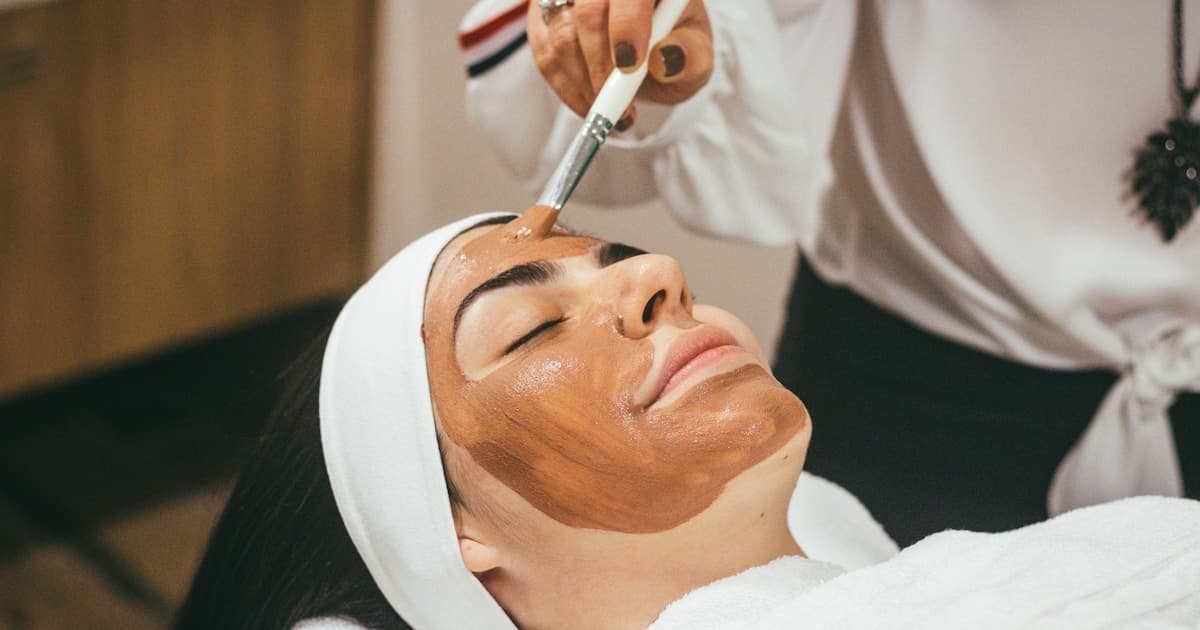
Beauty trends usually arrive with a dramatic promise: tighter skin, faster glow, no downtime, better collagen, softer texture. In 2026, one of the more interesting conversations in professional beauty is a little different. Instead of focusing only on peeling, heating, needling or resurfacing, clinics and treatment educators are talking about plasma facials — a category of non-invasive technology designed to support skin quality with carefully delivered plasma energy.
For Sydney clients, the appeal is easy to understand. We live with strong UV exposure, seasonal dehydration, air conditioning, pollution, busy work schedules and an event culture that leaves very little patience for visible downtime. Many people want skin that looks fresh, even and resilient, but they do not necessarily want an aggressive treatment every time they book a facial.
That is why plasma facials are appearing in 2026 trend lists alongside regenerative aesthetics, barrier-first skincare and skin longevity. The common thread is not “more intensity at all costs”. It is smarter stimulation: treatments that aim to encourage the skin to behave better over time while respecting the barrier.
This guide explains what plasma facials are, why they are trending, what they may be useful for, who should be cautious, and how to decide whether they belong in your 2026 skin plan.
What Is a Plasma Facial?
A plasma facial is a professional treatment that uses a device to generate plasma — often described as an energised gas — and deliver controlled energy to the skin surface. Depending on the device and protocol, this may be used for skin cleansing support, surface renewal, calming, texture refinement or collagen-focused rejuvenation.
It is important to know that “plasma facial” is not one single universal treatment. Different devices use different mechanisms, intensities and indications. Some are designed as gentle, no-downtime facials. Others sit closer to advanced skin rejuvenation and require stricter screening, aftercare and practitioner training.
In simple terms, plasma is being discussed because it gives clinics another way to work with the skin without relying only on traditional exfoliation or heat-based technology. It can fit into the broader 2026 movement toward treatments that are:
- Non-invasive or minimally invasive
- Focused on skin quality rather than dramatic alteration
- Compatible with barrier repair and hydration plans
- Suitable for staged programs rather than one-off extremes
- More personalised to sensitivity, pigmentation risk and lifestyle
For clients, that means the consultation matters more than the trend name. The right question is not “Is plasma good?” The better question is: which type of plasma treatment, at what intensity, for which skin condition, and with what aftercare?
Why Plasma Facials Are Trending in 2026
Professional beauty forecasting in 2026 is strongly pointing toward treatments that combine science, comfort and visible freshness. Australian beauty media has highlighted plasma facials as part of a wider move toward non-invasive regeneration, while aesthetic trend reports are also paying attention to treatments that encourage collagen support without lengthy recovery.
Several forces are driving the interest.
1. Clients Want Results Without Looking “Done”
Sydney clients are increasingly asking for healthier-looking skin rather than obvious cosmetic change. They want smoother texture, less dullness, more even tone and a polished finish, but they still want to look like themselves. Plasma facials fit the same mindset as skin boosters, LED, hydrating facials and collagen-stimulating plans: subtle improvement, not a completely different face.
This is especially relevant for professionals who have meetings, school pickup, travel or events. A treatment that can be planned around daily life is often more appealing than something that requires hiding for a week.
2. Barrier Damage Has Changed the Conversation
The past few years of at-home acids, retinoids, exfoliating toners and DIY devices have left many people with reactive skin. Clients are arriving at clinics with redness, tightness, breakouts, flaking or a feeling that every product suddenly stings.
That has changed how good practitioners plan treatments. Instead of automatically choosing the strongest option, the priority is often to rebuild tolerance first. Plasma facials are being discussed in this context because some protocols can be positioned as gentler skin support when compared with more aggressive resurfacing.
This does not mean plasma is automatically suitable for sensitive skin. It means the category belongs to a bigger shift: treat the skin you actually have today, not the skin you wish you had.
3. Regenerative Aesthetics Is Becoming Mainstream
Words like regeneration, collagen banking, skin longevity and cellular repair are now part of everyday beauty language. Some of that language is overused, but the underlying client desire is real. People want to maintain skin function earlier rather than wait until damage is advanced.
Plasma facials are gaining attention because they sound aligned with that regenerative mindset. The best use is not as a miracle cure. It is as one possible tool in a wider plan that may include professional facials, microneedling, LED, pigment management, home barrier care, SPF discipline and lifestyle support.
4. The “No-Downtime Glow” Is Still in Demand
Event-ready skin is not going away. Weddings, birthdays, corporate photos, Lunar New Year, graduations and summer parties all create demand for glow treatments that do not leave the skin visibly peeling or inflamed.
A well-chosen plasma facial may appeal to clients who want a refined, fresh look while avoiding the recovery time associated with deeper peels or laser resurfacing. The key is timing: even low-downtime treatments should be tested well before major events if you have reactive skin, pigmentation history or a tendency to break out after new treatments.
What Skin Concerns Might Plasma Facials Help With?
Because devices and settings vary, benefits should always be discussed in relation to the exact treatment offered. In general, plasma facials are most often discussed for clients interested in:
- Dull or tired-looking skin
- Uneven texture
- Congestion-prone skin
- Mild surface roughness
- Early visible ageing concerns
- Post-acne texture support
- A refreshed appearance before events
- Skin quality maintenance between stronger treatments
Some protocols may also be marketed for collagen support or firming. This is where expectations need to stay realistic. Collagen change is gradual. It usually requires a series, good nutrition, consistent SPF, enough sleep and a home routine that does not constantly irritate the skin.
If a client has deeper acne scarring, significant laxity, melasma, rosacea flares, active dermatitis or complex pigmentation, plasma may or may not be appropriate. A personalised assessment is essential.
Plasma Facial vs HydraFacial, LED, Microneedling and Peels
One reason plasma facials are attracting attention is that they sit in an interesting middle ground. They are not simply a hydrating facial, but they are not necessarily a full resurfacing treatment either.
Plasma vs HydraFacial
HydraFacial-style treatments are known for cleansing, exfoliation, extraction support and hydration. They are often chosen when the skin feels congested, dry or dull and the client wants an immediate polished look.
A plasma facial is usually positioned more around energy-based skin support. It may be chosen when the goal is texture refinement, skin quality or a more advanced treatment pathway. Some clients may benefit from alternating both, depending on barrier health.
Plasma vs LED
LED is gentle, calming and cumulative. It is often used to support inflammation, recovery and overall skin health. Plasma can be more active depending on the device. For sensitive clients, LED may be the safer starting point before introducing more stimulating treatments.
Plasma vs Microneedling
Microneedling creates controlled micro-injuries to stimulate repair and collagen signalling. It can be excellent for texture and acne scarring when appropriate, but it has more recovery considerations than many facials.
Plasma may appeal to clients who want skin stimulation without needles. However, microneedling and plasma are not interchangeable. The best choice depends on the concern, skin type, downtime tolerance and practitioner assessment.
Plasma vs Chemical Peels
Peels use acids or enzymes to resurface the skin chemically. They can be powerful for texture, congestion and pigmentation planning, but they require careful selection, especially in Sydney’s high-UV environment.
Plasma facials may be considered by clients who want a technology-led alternative to repeated exfoliation. Still, aftercare and SPF remain non-negotiable.
Who Should Be Cautious?
A trend is only helpful if it is safe for the person in the treatment chair. Plasma facials are not automatically right for everyone.
You should disclose your full skin and health history before booking, including:
- Pregnancy or breastfeeding
- Active infection, cold sores or open wounds
- Recent laser, peel, injectables or surgery
- Roaccutane/isotretinoin use or recent use
- Rosacea, eczema, dermatitis or psoriasis
- A history of keloid scarring
- Melasma or post-inflammatory hyperpigmentation
- Photosensitising medications
- Implanted electronic medical devices if relevant to the technology
- Recent sunburn or heavy sun exposure
Clients with deeper skin tones should also ask specifically about pigmentation risk and the practitioner’s experience treating Fitzpatrick IV-VI skin. “No downtime” does not mean “no risk”. Any treatment that stimulates the skin can potentially trigger post-inflammatory hyperpigmentation if the protocol is not appropriate.
The Sydney Factor: UV, Pigmentation and Timing
Sydney skin plans need to account for climate. Our UV index can be high even when the weather feels mild. That matters because any treatment that increases skin activity or temporarily changes the surface barrier should be paired with disciplined sun protection.
If you are considering a plasma facial, think about timing:
- Avoid booking immediately before a beach holiday.
- Do not start a new active treatment the week of a major event.
- Pause unnecessary exfoliation beforehand if your practitioner advises it.
- Use broad-spectrum SPF daily and reapply when outdoors.
- Tell your practitioner if you have recent tanning, sunburn or heat exposure.
- Keep your routine simple after treatment unless instructed otherwise.
For many clients, autumn and winter can be easier seasons for more active skin programs, but gentle glow treatments can be planned year-round when aftercare is excellent.
What to Expect at a Consultation
A good plasma facial consultation should feel specific, not generic. Your practitioner should ask about your skin goals, current products, medications, previous reactions, sun habits, pigmentation history and treatment timeline.
They may assess:
- Barrier condition
- Redness and sensitivity
- Oil flow and congestion
- Pigmentation patterns
- Texture and scarring
- Fine lines and firmness
- Event dates or downtime restrictions
- Whether another treatment would be more suitable
This is also your chance to ask practical questions:
- What type of plasma device is being used?
- Is the treatment non-invasive or does it create visible recovery?
- How many sessions are usually recommended?
- What results are realistic for my skin?
- What are the side effects and contraindications?
- What should I stop using before and after treatment?
- Is this suitable for my skin tone and pigmentation history?
- What happens if my skin reacts?
If the answers sound vague or the treatment is described as risk-free, that is a reason to pause.
Before and Aftercare: How to Protect Your Results
For any active facial technology, the home routine can determine whether the result looks calm and refined or irritated and patchy.
Before Treatment
In the week before your appointment, your practitioner may advise you to simplify your routine. This can include pausing strong exfoliating acids, scrubs, at-home peels, retinoids or harsh cleansing tools. Do not arrive sunburnt, windburnt or freshly waxed unless your provider confirms it is safe.
Focus on:
- Gentle cleansing
- Barrier-supportive moisturiser
- Daily SPF
- Avoiding unnecessary new actives
- Staying hydrated
- Not picking at breakouts
After Treatment
Aftercare depends on the device and intensity, but a conservative approach is usually wise. Keep the routine calm. Avoid piling on active ingredients because you are excited about results.
A simple post-treatment plan may include:
- Mild cleanser
- Hydrating serum if recommended
- Ceramide or barrier moisturiser
- Broad-spectrum SPF
- Avoiding direct sun and heat exposure
- Avoiding exfoliation until cleared
- Not using retinoids too soon
- Avoiding sauna, heavy sweating or swimming if advised
Your practitioner should give instructions tailored to the exact treatment. Follow those instructions over generic online advice.
How Plasma Could Fit Into a Skin Longevity Plan
The most sophisticated way to think about plasma facials is not as a one-off glow hack. It is as a possible part of a long-term skin quality plan.
For example, a client with dull, dehydrated skin might begin with barrier repair and hydrating facials before considering plasma. A client with mild texture may alternate plasma with LED and professional exfoliation. A client preparing for an event might schedule a gentle test treatment months ahead, then repeat a refined version closer to the date if the skin responds well.
The best plans are layered and realistic. They usually include:
- SPF as the daily foundation
- A cleanser that does not strip
- Moisturiser matched to barrier needs
- Actives introduced slowly
- Professional treatments spaced appropriately
- Photos to track progress
- Adjustments when the skin becomes reactive
In 2026, great skin is less about chasing every new device and more about building a program your skin can tolerate.
Common Myths About Plasma Facials
Myth 1: Plasma Is Suitable for Everyone
No treatment is suitable for everyone. Skin tone, sensitivity, medical history, medications and recent treatments all matter.
Myth 2: No Downtime Means No Aftercare
Even gentle treatments need aftercare. SPF, hydration and avoiding over-exfoliation are still essential.
Myth 3: One Session Will Replace a Skin Program
One facial can make skin look fresher, but lasting texture and collagen goals usually require consistency.
Myth 4: Stronger Is Always Better
Over-treating the skin can create inflammation, pigmentation or barrier damage. The best setting is the one your skin can recover from well.
Myth 5: Trendy Means Proven for Your Concern
A trend may be promising, but your concern might respond better to LED, peels, microneedling, injectables, medical skincare or simply barrier repair. Assessment comes first.
Is a Plasma Facial Right for You?
A plasma facial may be worth discussing if you want a technology-led treatment for skin freshness, texture support or early skin quality maintenance, and you prefer a non-invasive pathway. It may be especially interesting if you are already past the basics — consistent SPF, good cleansing, a stable barrier — and want to explore professional stimulation without jumping straight to more aggressive options.
It may not be the right first step if your skin is inflamed, sunburnt, highly reactive, recently over-exfoliated or dealing with uncontrolled pigmentation. In those cases, calming and rebuilding may come before stimulation.
At SkinSpirit, we always prefer a skin-led approach: understand the person, examine the skin, respect the barrier, then choose the treatment. Plasma facials are part of a broader 2026 conversation about non-invasive regeneration, but the smartest results come from careful planning — not trend-chasing.
If you are curious about plasma-style rejuvenation or want a personalised 2026 skin plan, book a consultation with the SkinSpirit team in Sydney. We can help you compare options, prepare your skin safely and choose a pathway that fits your goals, timeline and comfort level.