Neurocosmetic Skincare Sydney 2026: The Skin-Mind Connection Behind Calmer, More Resilient Skin
If 2025 was the year of skin longevity, 2026 is becoming the year of the skin-mind connection. Sydney clients are still asking for glow, firmness and even tone, but more of those conversations now begin with a different concern: "My skin feels reactive when I am stressed." Or, "I do everything right, but my face still flushes, breaks out or stings when life gets busy."
That is where neurocosmetic skincare enters the conversation.
Neurocosmetics is an emerging beauty category focused on the relationship between the skin, the nervous system and emotional wellbeing. It does not mean a cream can replace sleep, stress management or medical care. It also does not mean every calming product has deep neuroscience behind it. At its best, neurocosmetic thinking is a practical, evidence-aware way to understand why skin often becomes more sensitive when the body is under pressure — and why calming, barrier-first treatment plans can make such a visible difference.
For SkinSpirit clients in Chatswood and Sydney, this trend fits beautifully with the shift we have already seen toward gentler routines, barrier repair, LED therapy, hydration-focused facials and more thoughtful treatment pacing. The goal is not to chase the most aggressive result. The goal is to help the skin feel safe enough to recover, rebuild and glow.
What Does "Neurocosmetic" Actually Mean?
Neurocosmetic skincare looks at communication pathways between the skin and the nervous system. Your skin is not just a surface layer. It is rich with nerve endings, immune activity, blood vessels, receptors and chemical messengers. It responds to heat, touch, fragrance, pain, inflammation, sleep disruption and emotional stress.
When people talk about the skin-brain axis, they are referring to this two-way relationship. Stress can influence the skin through hormones and inflammatory pathways. Skin discomfort can also affect mood, confidence and sleep. Anyone who has dealt with a flare-up before an important event understands this loop intuitively: when the skin feels unsettled, the mind often does too.
In skincare, neurocosmetic ideas can show up in a few ways:
- Products designed to calm visible redness, stinging or tightness
- Barrier-supporting ingredients that reduce the chance of irritation
- Sensory textures that make a routine feel soothing rather than harsh
- Clinic treatments that reduce inflammation while supporting hydration and repair
- Treatment plans that respect stress, sleep, hormones and lifestyle instead of treating skin as isolated from the rest of the body
The most useful part of this trend is not the buzzword. It is the reminder that sensitive skin often needs fewer shocks, more consistency and a treatment rhythm that works with the body.
Why Sydney Skin Is Especially Prone to Stress Reactivity
Sydney is a beautiful place to live, but it can be demanding on the skin. UV exposure, humidity shifts, air conditioning, ocean swims, active lifestyles, commuting, pollution and high-pressure work schedules can all contribute to skin that feels unpredictable.
Many clients describe the same pattern. Their skin looks calm for a few days, then suddenly becomes flushed, textured, dehydrated or breakout-prone. Sometimes the trigger is obvious: a new active serum, too much exfoliation, a hot yoga class or a weekend in the sun. Other times it follows a stressful week, poor sleep or hormonal changes.
From a skin-mind perspective, that makes sense. When the body is in a prolonged stress state, the skin may become slower to repair and quicker to react. The barrier can lose water more easily. Redness may become more noticeable. Breakouts can feel more inflamed. Existing conditions such as rosacea, acne, eczema-prone dryness or pigmentation may appear harder to manage.
This does not mean stress is the only cause. Skin is complex. But it does mean a treatment plan should ask better questions: How is your barrier? How often are you using strong actives? Does your skin sting after cleansing? Are you sleeping? Are you recovering between treatments? Do we need to calm first before we stimulate?
The Problem with "More Active" Skincare
One reason neurocosmetic skincare is trending is that many people are tired of overactive routines. Retinoids, acids, vitamin C, exfoliating cleansers and at-home peels can be excellent when used appropriately. But layering too many actives, too often, is one of the fastest ways to make skin look older, duller and more reactive.
A compromised barrier can create a confusing cycle. The skin feels rough, so you exfoliate. It becomes red, so you add more products. It feels dry, so you change moisturisers repeatedly. Breakouts appear, so you reach for stronger actives. Over time, the skin never gets a stable recovery window.
Neurocosmetic thinking encourages the opposite approach: reduce the noise, calm the signals and rebuild resilience. In practical terms, that may mean pausing unnecessary exfoliation, simplifying the home routine, adding barrier lipids and hydration, and choosing clinic treatments that support recovery instead of constantly creating controlled injury.
For many clients, the first visible improvement is not dramatic lifting or peeling. It is comfort. Less tightness. Less flushing. Makeup sitting better. Fewer random stinging episodes. A softer, more rested glow.
Ingredients That Fit the Neurocosmetic Moment
Not every product labelled calming is automatically neurocosmetic, and not every ingredient needs a futuristic claim to be useful. The strongest plans usually combine classic barrier science with newer sensory and stress-aware thinking.
Helpful ingredient families may include:
Ceramides and barrier lipids Ceramides, cholesterol and fatty acids support the skin's protective structure. When the barrier is stronger, the skin is less likely to lose water and less likely to overreact to everyday triggers.
Niacinamide Niacinamide can support barrier function, uneven tone and visible redness for many skin types. The key is using an appropriate strength and formula, because very high percentages can irritate some sensitive skins.
Panthenol and beta-glucan These are comforting, hydration-supportive ingredients often used in formulas for stressed or post-treatment skin.
Centella and botanical calmers Centella asiatica and similar calming botanicals can be helpful when well-formulated. Sensitive clients should still avoid assuming "natural" means non-irritating.
Peptides and recovery-support ingredients Peptides, amino acids and gentle humectants can support a smoother, more replenished appearance without relying on harsh exfoliation.
Fragrance-aware formulation A relaxing scent can be part of sensory beauty, but fragrance is also a common irritant. For reactive skin, the safest neurocosmetic approach is often low-fragrance or fragrance-free, with the calming experience coming from texture, temperature, massage rhythm and visible comfort.
The best ingredient list is the one your skin can tolerate consistently. A simple routine used well beats an impressive shelf that keeps triggering flare-ups.
Clinic Treatments That Support the Skin-Mind Connection
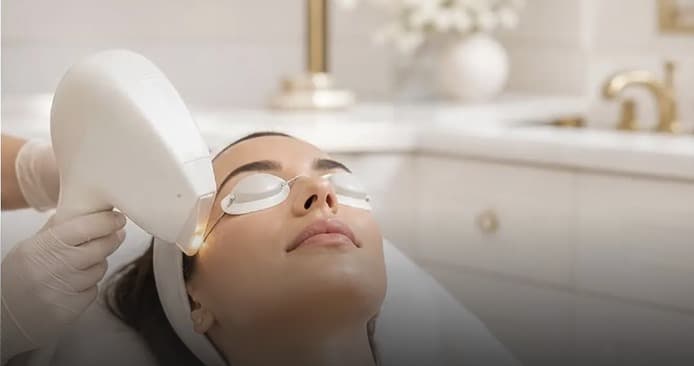
At SkinSpirit, a neurocosmetic-style plan is less about one magic treatment and more about sequencing. If the skin is reactive, we usually want to calm and strengthen before pushing intensity.
Hydration and barrier facials
A professional facial can be a valuable reset when it focuses on cleansing, hydration, barrier support and gentle massage rather than aggressive extraction or strong peeling. For stressed skin, the treatment room should feel like a recovery space, not a battle.
LED light therapy
LED is popular because it is non-invasive, comfortable and easy to incorporate into a calming treatment plan. Depending on the protocol used, LED may support visible redness, post-treatment recovery and overall skin comfort. It is not a one-session miracle, but it can be a helpful part of a consistent plan.
Gentle peels when the barrier is ready
Chemical peels do not have to be harsh. When chosen carefully, a light peel can support texture and brightness without overwhelming the skin. Timing matters. If the skin is stinging, flushed or compromised, barrier repair may need to come first.
Microneedling with careful preparation
Microneedling can support collagen induction and texture improvement, but it should be planned thoughtfully. Reactive skin may need preparation, post-care and longer spacing between sessions. The more sensitive the skin, the more important it is to avoid stacking too many strong treatments together.
Skin boosters and injectable hydration support
For suitable clients, injectable hydration treatments may help improve skin quality, bounce and luminosity. These should always be discussed in consultation, with attention to medical history, expectations and recovery.
Relaxing treatment design
The nervous system piece is not only about ingredients. It is also about the treatment experience: slower touch, a calm room, clear explanations, realistic expectations and no pressure to over-treat. When clients feel informed and relaxed, they are less likely to panic-change routines after every tiny fluctuation.
A Neurocosmetic Home Routine for Sensitive Sydney Skin
A good home routine should make your skin feel more stable within a few weeks, not more confused. For many clients, a calm-skin reset looks like this:
Morning
- Gentle cleanse or rinse, depending on skin type
- Hydrating serum or calming essence
- Barrier moisturiser
- Broad-spectrum SPF every day
Evening
- Gentle cleanse, especially after sunscreen or makeup
- Recovery serum with niacinamide, panthenol, peptides or barrier support
- Moisturiser suited to your skin type
- Optional occlusive support on dry areas if recommended
During a reset, actives should be strategic. That may mean retinoid only two nights a week, exfoliation paused temporarily, vitamin C changed to a gentler form, or strong acne products used only where needed. The point is not to fear active ingredients. The point is to earn them back once the skin is resilient.
Signs Your Skin May Need a Calming Phase
You may benefit from a neurocosmetic-style barrier and sensitivity plan if you notice:
- Stinging when applying products that used to feel fine
- Redness that lingers after cleansing or showering
- Tightness even after moisturising
- Flaky patches with oiliness underneath
- Breakouts that look inflamed rather than simply congested
- Makeup separating or clinging to dry areas
- Skin that worsens during stress, poor sleep or hormonal shifts
- A routine with multiple exfoliants, retinoids or strong serums layered together
If these sound familiar, the smartest first step is not necessarily a stronger treatment. It may be a consultation, skin analysis and a plan to calm the baseline.
What Neurocosmetic Skincare Is Not
Because the trend is growing quickly, it is important to stay realistic. Neurocosmetic skincare is not mental health treatment. It is not a promise that a product can change your mood in a medical sense. It is not a reason to ignore persistent dermatitis, rosacea, acne or allergic reactions.
It is also not permission for vague claims. The beauty industry loves new language, and not every claim will be equally supported. A trustworthy clinic should be able to explain what a product or treatment is intended to do in plain English: support the barrier, reduce visible redness, improve hydration, encourage recovery, or create a calmer treatment experience.
If your skin is painful, swollen, infected, rapidly worsening or associated with a known medical condition, it is worth seeking appropriate medical advice. A beauty clinic plan can be supportive, but it should not replace healthcare when healthcare is needed.
How SkinSpirit Approaches Calm, Resilient Skin
Our approach is simple: beautiful skin should also feel comfortable. We want glow, but not at the expense of your barrier. We want results, but not by pushing the skin into constant inflammation. We want clients to understand their skin instead of feeling trapped in a cycle of product switching.
A consultation may include:
- Reviewing your current routine and identifying possible irritant overload
- Checking whether dehydration, sensitivity, acne, pigmentation or ageing is the main priority
- Creating a staged plan: calm, strengthen, then treat
- Choosing professional treatments that match your skin's tolerance
- Adjusting home care around Sydney weather, lifestyle and upcoming events
- Planning maintenance so results are sustainable
For some clients, that plan may be mostly facials, LED and home care. For others, it may later include microneedling, peels, injectables or skin boosters. The sequence matters because resilient skin tends to respond better to advanced treatments.
The 2026 Takeaway: Calm Is a Result
The most exciting part of neurocosmetic skincare is that it reframes calm as a visible beauty goal. Calm skin reflects light better. It holds hydration better. It tolerates active ingredients better. It recovers from treatments better. It is often the missing step between a frustrated routine and the glow clients are trying to achieve.
In 2026, the smartest Sydney skincare plans are not about doing everything. They are about doing the right things in the right order. If your skin has been reactive, stressed or unpredictable, a skin-mind approach may be the reset you need: fewer irritants, more barrier support, thoughtful treatments and a calmer path toward long-term skin confidence.
Ready to understand what your skin is trying to tell you? Book a SkinSpirit consultation in Chatswood and let us design a calm, personalised treatment plan for your skin goals.