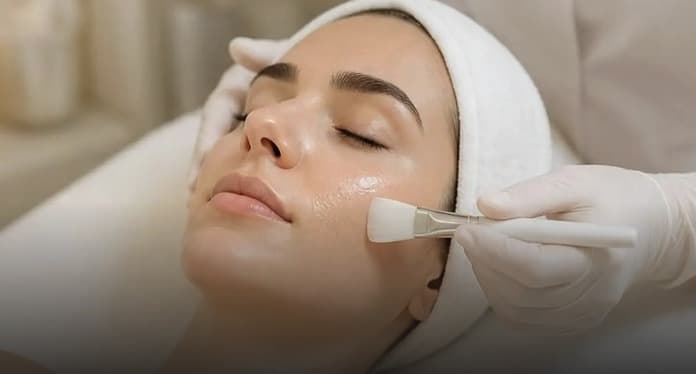
Microcurrent Facials in Sydney: The Gentle Sculpting Trend for Skin-First Beauty in 2026
Beauty trends in 2026 are becoming quieter, smarter and more skin-literate. Instead of chasing one dramatic treatment or a filter-like transformation, many Sydney clients are asking for the same thing in different words: Can I look fresher without looking obviously treated?
That question is why microcurrent facials are back in the conversation. The treatment sits neatly inside the current movement toward skin longevity, subtle enhancement and lower-downtime clinic routines. It is not a replacement for injectables, skin tightening devices or collagen-stimulating procedures. But for the right person, it can be a gentle add-on for a lifted-looking, rested, more refined facial appearance.
Think of microcurrent as part of the modern “skin-first sculpting” toolkit. It pairs well with barrier repair, hydration work, facial massage, LED light therapy and a realistic at-home routine. It is especially appealing for clients who want event-ready freshness, prefer gradual maintenance, or are nervous about starting stronger treatments too early.
What Is a Microcurrent Facial?
A microcurrent facial uses very low-level electrical currents delivered through handheld probes, gloves or device attachments. These currents are designed to work with the skin and superficial facial muscles in a controlled, non-invasive way.
In treatment rooms, microcurrent is usually discussed for three main goals:
- A temporary lifted or toned appearance around areas such as the jawline, cheeks and brows
- A fresher-looking finish by supporting circulation and reducing the appearance of puffiness
- A more polished facial treatment experience when combined with hydration, calming masks and LED
The current is very gentle. Most clients feel a mild tingling, warmth or nothing much at all. The therapist applies a conductive gel or serum so the device can glide comfortably and maintain proper contact with the skin.
The important word is temporary. Microcurrent can make the face look more awake, refined and softly sculpted, but it does not permanently lift tissue, dissolve fat, replace volume, remove deep lines or remodel collagen in the way some medical aesthetic treatments aim to. A good clinic should be clear about that from the beginning.
Why Microcurrent Is Trending Again in 2026
There are a few reasons microcurrent is getting attention in Sydney clinics and beauty conversations this year.
First, clients are becoming more cautious about over-treatment. After years of strong actives, aggressive exfoliation and highly visible aesthetic trends, many people want results that respect their natural features. Microcurrent fits this mood because it is gentle, tidy and does not require obvious downtime.
Second, facial sculpting has evolved. The old version of “contouring” was makeup-heavy. The newer version is more about skin quality, lymphatic flow, posture, hydration, facial tension and subtle clinic maintenance. People want their skin to catch light better and their face to look rested, not rigid.
Third, beauty technology has become part of the mainstream. At-home devices, LED masks and facial tools have made clients more familiar with device-led skincare. The clinic advantage is that a professional can assess whether the treatment actually suits the skin, use appropriate settings and build it into a broader plan rather than treating it like a magic wand.
Finally, microcurrent answers a very real lifestyle need: the no-downtime refresh. For Sydney clients juggling work, events, school runs, weddings and travel, a treatment that leaves the skin presentable immediately has obvious appeal.
What Microcurrent Can Realistically Do
A well-performed microcurrent facial may help the face look subtly more lifted and less tired after treatment. Clients often notice that the cheek area looks a little more supported, the jawline appears cleaner, or the brows look slightly more open. Some describe it as looking like they slept well, drank enough water and had their face gently “woken up”.
It can also be useful before an event. Because there is usually no peeling, bruising or social downtime, microcurrent can sit in the same category as hydrating facials, LED and facial massage for pre-event preparation.
Microcurrent may also help clients become more aware of facial tension patterns. Many people hold tightness through the jaw, temples, forehead or neck. When microcurrent is paired with massage and calming skin work, the overall effect can feel less like a harsh treatment and more like a structured reset.
But the best results are usually cumulative. A single session can be lovely before a dinner or photoshoot, but repeated sessions are generally more useful if the goal is ongoing tone and freshness. Like exercise, the effect depends on consistency, baseline condition and realistic expectations.
What Microcurrent Cannot Do
This is where honest advice matters.
Microcurrent cannot replace anti-wrinkle injections for dynamic expression lines. It cannot replace dermal filler where there is genuine volume loss. It cannot treat significant skin laxity the way stronger energy-based devices may be considered. It cannot remove pigmentation, acne scarring or deep texture. It is also not a shortcut for poor sleep, dehydration, sun damage or an inflamed skin barrier.
If a client has marked jowling, heavy laxity, pronounced volume loss or deep etched lines, microcurrent may still feel nice, but it should not be sold as the main solution. In those cases, a consultation may point toward a different plan: skin boosters, collagen-stimulating treatments, carefully selected injectables, resurfacing, LED, microneedling, prescription skincare or referral where appropriate.
Microcurrent works best when the desired outcome is subtle freshness, not structural change.
Who Is a Good Candidate?
Microcurrent may suit people who want:
- A gentle, no-downtime facial before an event
- A more lifted-looking finish without injectables
- A maintenance treatment between other appointments
- A facial that feels more active than a relaxation-only treatment
- Support for puffiness, dullness or a tired-looking complexion
- A conservative first step into professional aesthetics
It can be especially appealing for clients in their late 20s, 30s and 40s who are thinking about prevention and skin quality, as well as mature clients who want a soft refresh without committing to more invasive options.
It may not be suitable for everyone. Clients with pacemakers, certain implanted electrical devices, epilepsy, active cancer treatment, pregnancy, significant metal implants in the treatment area or certain medical conditions may need to avoid microcurrent or seek medical clearance. It should also be delayed over broken skin, active infections, uncontrolled inflammatory flare-ups or immediately after some cosmetic procedures.
A proper consultation matters because the safest treatment is the one matched to the person in front of the therapist.
Microcurrent vs Facial Massage
Facial massage and microcurrent are often discussed together because both can create a more sculpted-looking finish. They are not the same.
Massage works mechanically. It can help with tension, puffiness, lymphatic flow and product application. It also gives the therapist a chance to feel where the skin is tight, reactive, dry or congested. For many clients, massage is the most calming part of the facial.
Microcurrent adds a device-led component. Instead of relying only on hands, it uses low-level current to create a different style of stimulation. Some clients prefer the more technical feeling; others prefer hands-on work. Often, the most elegant result comes from combining both: massage to relax and drain, microcurrent to refine the lifted-looking finish, and calming skincare to protect the barrier.
Neither should be painfully intense. If a “sculpting” facial leaves the skin angry, bruised or inflamed, it may not be the right approach for that skin.
Microcurrent vs LED Light Therapy
LED and microcurrent can complement each other beautifully, but they are used for different reasons.
LED light therapy is generally chosen for skin health goals such as calming visible redness, supporting post-treatment recovery, helping breakout-prone skin, or encouraging a healthier-looking complexion over time. It is skin-focused.
Microcurrent is more associated with facial tone and a lifted-looking, refreshed appearance. It is contour-focused.
For many Sydney clients, a combined facial makes sense: cleanse, gentle exfoliation if appropriate, microcurrent sculpting, LED, hydration and barrier support. That type of protocol respects the 2026 trend toward integrated treatments rather than single-issue beauty fixes.
How It Fits With Injectables
Microcurrent should be planned carefully around injectable appointments. It is not a replacement for anti-wrinkle injections or dermal fillers, and timing matters.
Many clinics prefer to avoid microcurrent directly after injectables, especially while the area is settling. The exact waiting period depends on the treatment, the injector’s instructions and the client’s individual plan. If you have recently had anti-wrinkle treatment, filler, skin boosters, biostimulators or threads, tell your therapist before booking microcurrent.
Used thoughtfully, microcurrent can be part of a maintenance plan between bigger appointments. The overall goal is harmony: skin quality, facial balance, hydration and natural movement rather than chasing every line or shadow.
What to Expect During a Treatment
A professional microcurrent facial usually begins with consultation and cleansing. The therapist checks for contraindications, recent treatments, sensitivity, acne activity, pregnancy status and any implanted devices. They may also ask about your current skincare routine, because over-exfoliated or sensitised skin may need calming care first.
After cleansing, a conductive gel is applied. The device is moved slowly across the face using lifting, gliding or holding movements. Areas commonly treated include the jawline, cheeks, brows and forehead, depending on suitability.
The sensation should be comfortable. You may feel light tingling, a metallic taste, small muscle twitches or nothing significant. Afterward, the skin is usually finished with calming serums, moisturiser and SPF if it is daytime. Some clinics add LED, a hydrating mask or gentle lymphatic massage.
Most people can return to normal activities straight away. The face may look temporarily fresher, more awake or lightly flushed. If the skin feels irritated, tight or unusually reactive, that is worth mentioning before your next appointment.
How Many Sessions Do You Need?
For an event, one treatment a few days before may be enough for a soft refresh. For ongoing tone, a course is usually more appropriate. Some clients choose weekly sessions for a short period, then monthly maintenance. Others use microcurrent only before special occasions.
The right schedule depends on age, skin condition, facial structure, budget, other treatments and how quickly your results fade. A clinic should not pressure you into an unrealistic program. If microcurrent is only one small part of your skin goals, your plan may be better built around barrier repair, pigment control, acne management, collagen stimulation or injectable review first.
At-Home Microcurrent Devices vs Clinic Treatments
At-home microcurrent devices can be useful for motivated clients, but they require consistency and correct use. The common problem is not that clients buy a device; it is that they use it intensely for two weeks, stop completely, or use it on unsuitable skin while also layering strong actives.
Clinic treatments offer assessment, technique and accountability. A therapist can adjust the plan if your barrier is compromised, if you have had injectables recently, or if your concern would be better served by another modality. At-home devices may fit well as maintenance, but they should not replace professional advice when the skin is reactive, acne-prone, post-procedure or medically complex.
If you use a home device, keep your routine boring around it: gentle cleanser, conductive gel as directed, moisturiser and sunscreen. Avoid stacking every active ingredient on the same night just because your skin looks good immediately afterward.
How to Prepare for a Microcurrent Facial
Preparation is simple. Avoid harsh exfoliation, strong peels and unnecessary irritation for a few days before your appointment. Come with a list of recent cosmetic treatments, medications, skin conditions and devices or implants. If you are pregnant, trying to conceive, breastfeeding, undergoing medical treatment or unsure about a condition, disclose it before treatment.
On the day, arrive with realistic goals. “I want to look fresh for an event” is a good microcurrent goal. “I want my lower face permanently lifted” is probably a consultation conversation, not a single facial brief.
After treatment, protect the result with hydration, sunscreen and a calm routine. The glow is easier to maintain when the skin barrier is not being pushed in five directions at once.
The SkinSpirit Approach
At SkinSpirit, we like treatments that respect the face rather than fighting it. The best aesthetic result often comes from sequencing: calm the barrier, hydrate the skin, refine texture, support facial freshness, and only then consider stronger interventions if they are appropriate.
Microcurrent belongs in that philosophy when it is used honestly. It can be a beautiful support treatment for clients who want a no-downtime lift effect, a pre-event glow or a softer entry point into clinic care. It should be explained clearly, timed properly around injectables and combined with skincare that keeps the skin healthy.
For some clients, microcurrent will be the right treatment. For others, LED, skin boosters, microneedling, pigment care, acne support or injectable review will be more useful. The consultation is what decides.
Key Takeaway
Microcurrent facials are trending in Sydney because they match the mood of 2026: subtle, skin-first, low-downtime and natural-looking. They can help the face look fresher, more awake and softly sculpted, especially when paired with hydration, massage and LED.
They are not a miracle lift and should never be presented as one. But in the right hands, with the right expectations, microcurrent can be a thoughtful addition to a modern skin longevity plan.
If you are curious, book a consultation and ask the simplest question: Is microcurrent actually the best next step for my skin, or is there a better way to reach my goal? That answer is where good treatment planning begins.