Maintenance Facials in Sydney: The 2026 Skin Reset Trend
In 2026, Sydney skin clients are becoming more strategic. Instead of waiting until their skin feels inflamed, dull, congested or dehydrated, many are booking smaller, regular maintenance facials that keep the skin steady between seasons, events and more intensive treatments.
This shift makes sense. The beauty conversation has moved away from aggressive over-treatment and toward skin longevity, barrier health, nervous-system calm and gradual collagen support. Clients still want visible glow, smoother texture and fresher-looking skin, but they increasingly want those results without unnecessary downtime or a compromised skin barrier.
A maintenance facial is not a "basic" facial. Done well, it is a planned skin reset: a professional check-in that hydrates, decongests, calms, supports circulation, reviews your home routine and helps decide whether your skin is ready for stronger clinical treatments. For busy Sydney clients juggling work, family, fitness, events and weather changes, this lower-risk approach is becoming one of the smartest ways to care for the skin consistently.
What Is a Maintenance Facial?
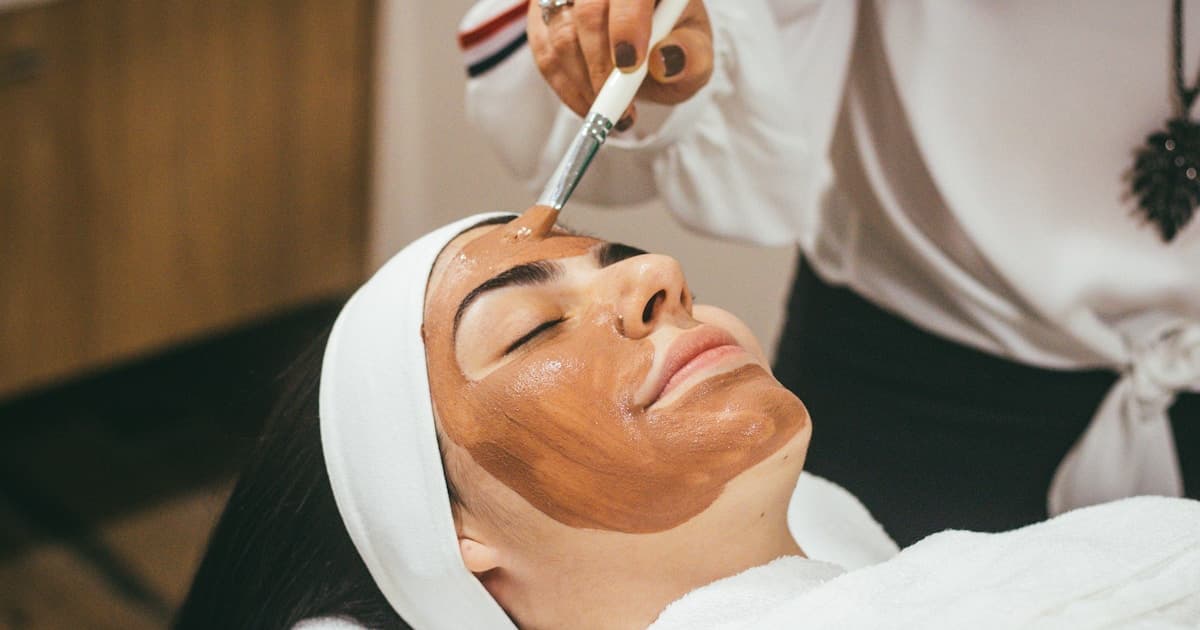
A maintenance facial is a regular, low-downtime treatment designed to keep skin functioning well rather than forcing dramatic change in one appointment. It may include gentle cleansing, professional exfoliation, hydration infusion, LED light therapy, barrier-supportive masks, massage, extractions where appropriate and targeted serums chosen for your current skin condition.
The important word is current. Your skin in mid-July is not always the same as your skin before a summer wedding, after a beach holiday, during a stressful work period or while adjusting to retinoids. A good maintenance facial is responsive. It asks: what does the skin need today, and what should we avoid today?
That is why maintenance facials are especially useful for people who are already using active ingredients at home or considering injectables, peels, microneedling, skin boosters or laser-style treatments. They create a rhythm of professional assessment so your skin plan can be adjusted before irritation becomes a bigger problem.
Why Maintenance Is Trending in 2026
Several beauty and aesthetics trends are converging around the same idea: skin should be healthy enough to tolerate treatment, not constantly pushed to recover from it. Industry conversations in 2026 keep returning to longevity, barrier repair, calm treatments, regenerative aesthetics and smarter annual planning. Maintenance facials sit right in the middle of those priorities.
For many clients, the old pattern looked like this: ignore the skin for months, book a strong treatment before an event, panic about redness or peeling, then repeat. The new pattern is more sustainable: keep the barrier hydrated, manage congestion early, build glow gradually and reserve stronger treatments for the right season or skin condition.
Sydney's climate also encourages this approach. Humid summers, strong UV, air-conditioned offices, winter dryness and indoor heating can all change how the skin behaves. A monthly or seasonal skin reset helps prevent the cycle of over-exfoliating one month and repairing irritation the next.
The Benefits of a Regular Skin Reset
The first benefit is barrier stability. When your barrier is strong, skin usually looks calmer, holds hydration better and tolerates actives more comfortably. A maintenance facial can support this by replenishing water, using barrier-friendly ingredients and avoiding overly harsh steps when the skin is already reactive.
The second benefit is better texture control. Mild congestion, uneven surface texture and dullness are easier to manage early. Gentle professional exfoliation or carefully performed extractions can be more comfortable than waiting until pores feel heavily congested.
The third benefit is treatment timing. If you want microneedling, peels, skin boosters or cosmetic injectables, your practitioner can use maintenance visits to assess whether your skin is ready, what should be paused beforehand and how to support recovery afterward.
The fourth benefit is consistency. A natural glow is rarely the result of one dramatic appointment. It usually comes from repeated small decisions: hydration, sunscreen, barrier repair, calm actives, regular review and well-timed professional care.
Who Should Consider Maintenance Facials?
Maintenance facials are useful for many skin types, but they are especially helpful for clients who feel their skin changes quickly. If you are oily in summer but dry in winter, prone to redness after active skincare, congested around the jawline, dull from office air-conditioning or unsure how to combine home products, regular check-ins can reduce guesswork.
They are also helpful for people who are not ready for higher-intensity treatments. You may want fresher skin without peeling, visible downtime or a complicated recovery window. You may have an event coming up and need skin to look smooth under makeup. Or you may simply want a professional plan before investing in stronger options.
Clients with sensitive skin can benefit too, provided the facial is genuinely customised. A maintenance appointment should not automatically mean steam, scrubs, strong acids and aggressive extraction. For sensitive or barrier-impaired skin, the most valuable treatment may be calming, hydrating and protective.
What a SkinSpirit-Style Maintenance Facial Focuses On
At SkinSpirit, the ideal maintenance approach starts with observation. We look at hydration, redness, congestion, texture, sensitivity, recent treatments, home skincare and upcoming events. From there, the treatment should be adjusted to suit the skin in front of us.
For dry or tight skin, the focus may be hydration, barrier lipids and soothing massage. For dull or rough skin, gentle resurfacing may be appropriate. For congestion, careful extractions and balancing support may be useful. For stressed, reactive skin, LED, cooling masks and anti-inflammatory care may be the priority.
This is why the maintenance facial is not a one-size-fits-all menu item. The goal is to create a repeatable rhythm while still responding to your skin's current condition.
How Often Should You Book?
For many Sydney clients, every four to six weeks works well. This lines up with the skin's natural renewal cycle and gives enough time to see how home skincare is behaving. However, the right timing depends on your goals.
If you are preparing for an event, you may benefit from a more structured schedule: one planning facial six to eight weeks before, one refining facial three to four weeks before, and a gentle glow treatment about a week before. If you are managing sensitivity, your plan may start with calmer, shorter appointments before gradually adding more active steps.
If you are already doing clinical treatments such as peels, microneedling or injectables, maintenance facials may be spaced around those appointments rather than stacked too close together. More is not always better. The best schedule is one your skin can actually tolerate.
Maintenance Facials vs Stronger Treatments
A maintenance facial is not meant to replace every advanced treatment. Instead, it helps the skin get more from them. Think of it as the supporting system around your bigger appointments.
For example, microneedling may be chosen for collagen induction and texture refinement. Peels may target pigmentation, congestion or dullness. Skin boosters may support hydration and skin quality. Cosmetic injectables may address muscle movement or volume-related concerns. Maintenance facials support the canvas: hydration, comfort, barrier function and regular monitoring.
When the skin is well maintained, stronger treatments can often be planned more intelligently. You may need fewer emergency fixes, fewer harsh product changes and less guesswork about what caused irritation.
What to Avoid Before a Maintenance Facial
Even low-downtime treatments work best when the skin is not already overstimulated. In the few days before your appointment, it is usually wise to avoid experimenting with strong new actives, aggressive exfoliation, at-home peels or too many devices.
If you use retinoids, exfoliating acids or prescription acne products, tell your practitioner. You may not need to stop everything, but the treatment should be adjusted around them. The same applies if you have recently had injectables, laser, microneedling, a peel, sunburn, waxing or a flare-up of dermatitis or rosacea.
The aim is not to make skincare complicated. It is to prevent stacking too many stressors at once.
What to Do Afterward
After a maintenance facial, keep the routine simple for a few days. Use a gentle cleanser, hydrating serum if tolerated, moisturiser and broad-spectrum SPF during the day. Avoid immediately adding strong acids, scrubs or new retinoids unless your practitioner has advised it.
This quiet window is part of the treatment. It gives the skin time to settle, hold hydration and show you what it responds to. Many clients notice that makeup sits better, tightness reduces and their skin looks more even when they resist the urge to overdo their routine afterward.
If your facial included extractions or stronger exfoliation, your aftercare may be more specific. Always follow the advice given at your appointment.
Building a Seasonal Maintenance Plan in Sydney
A smart maintenance plan changes with the year. In summer, the priority may be SPF habits, oil balance, congestion prevention and calming sun-stressed skin. In autumn, it may shift toward repairing pigmentation, easing back into actives and planning collagen-supportive treatments. In winter, hydration, barrier support and stronger resurfacing windows may become more relevant. In spring, many clients focus on glow, event preparation and reducing dullness before social calendars intensify.
This seasonal thinking is one reason maintenance facials are becoming more popular. They help you avoid treating January skin the same way you treat July skin.
The Home Routine Still Matters
A monthly facial cannot completely compensate for a routine that irritates your skin every day. Maintenance works best when your home care is simple, consistent and matched to your barrier.
For many clients, that means a gentle cleanser, antioxidant or hydrating serum, moisturiser, sunscreen and one or two targeted actives. It does not mean ten serums, daily exfoliation and a new viral product every week. The more complicated the routine, the harder it becomes to identify what is actually helping.
Your maintenance appointment is a good time to review products. Bring photos or a list of what you are using, including prescription products and supplements. Small changes, such as reducing acid frequency or choosing a richer winter moisturiser, can make a significant difference.
When a Maintenance Facial Is Not Enough
There are times when a maintenance facial is not the right answer on its own. Deep acne scarring, significant pigmentation, advanced laxity, persistent rosacea, melasma, severe acne or medical skin conditions may require a more targeted plan, referral or combination approach.
This is not a failure of the facial. It is part of honest skin care. A good consultation should tell you when a gentle reset is appropriate and when your concern needs a different pathway.
For example, pigmentation may require strict sunscreen, brightening ingredients and professional treatment planning. Acne may require medical review. Volume loss or dynamic lines may need assessment by an appropriately qualified practitioner. Maintenance facials can support the skin, but they should not overpromise.
Why Low-Downtime Does Not Mean Low-Impact
One of the biggest misconceptions in beauty is that a treatment must feel intense to be effective. In 2026, more clients are realising that calm, well-timed treatments can have a meaningful cumulative impact.
Hydrated skin reflects light better. Calm skin looks more even. A strong barrier tolerates active ingredients better. Regular professional review prevents small problems from becoming larger ones. None of this needs to involve aggressive peeling or a week of hiding at home.
Low-downtime maintenance is about respecting the skin's biology. It is a slower, steadier form of progress, and for many people, it is more realistic than dramatic treatment cycles.
The Bottom Line
Maintenance facials are one of the most practical skin trends of 2026 because they match how real life works. Sydney clients want healthy, polished, resilient skin, but they also need to attend work, school drop-offs, meetings, weddings, dinners and daily life without unnecessary downtime.
A regular skin reset can help keep your barrier strong, your glow consistent and your bigger treatment decisions more informed. It is not about chasing perfection. It is about building a skin routine that is calm, sustainable and professionally guided.
If your skin feels unpredictable, dull, tight, congested or easily irritated, a maintenance facial may be the right place to start. Book a consultation with SkinSpirit in Sydney and we can help create a treatment rhythm that supports your skin now, while planning wisely for what comes next.