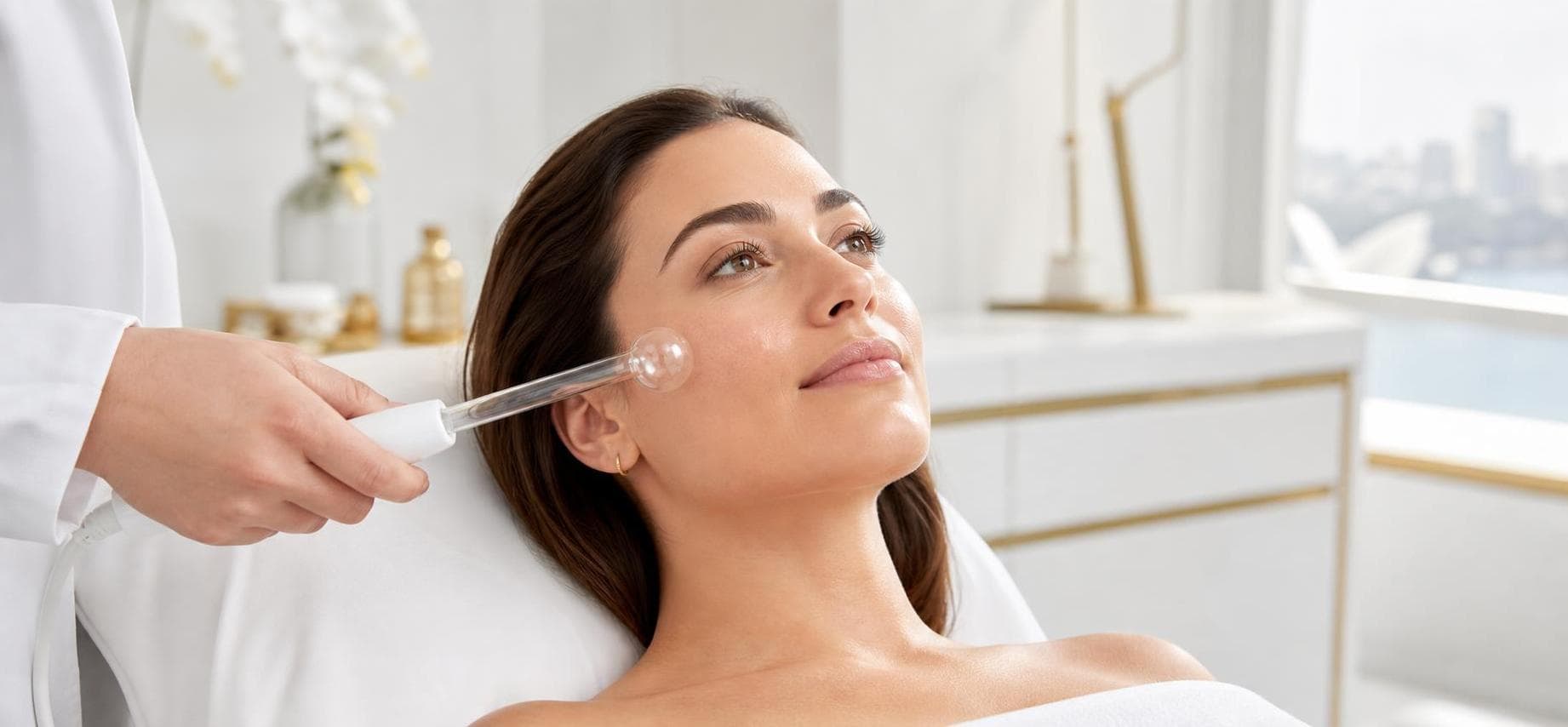
High-Frequency Facials: The 2026 Acne-Calming Device Trend Sydney Clients Are Asking About
Every few years, a classic treatment quietly returns with a new audience. In 2026, high-frequency facials are having that moment. Red light masks, microcurrent devices and LED tools have dominated beauty conversations for a while, but clients are now also asking about the buzzing glass wand they have seen in clinic videos, editor trials and at-home device round-ups.
The interest makes sense. The broader 2026 skincare mood is practical: fewer steps, less irritation, more visible skin health and better guidance. Sydney clients are not just chasing a quick glow. They want clearer pores, calmer breakouts, less post-blemish redness and routines that do not leave the skin barrier angry for a week.
High frequency sits right in that conversation. It is not a miracle cure, and it is not a replacement for acne diagnosis or medical treatment when acne is persistent. But when used professionally and appropriately, it can be a useful add-on inside a facial plan for congestion-prone, oily or breakout-prone skin.
This guide explains what high-frequency facial treatment is, why it is trending in 2026, who may benefit, who should avoid it, and how to think about it as part of a calm, barrier-aware skin plan in Sydney.
What Is a High-Frequency Facial?
A high-frequency facial uses a glass electrode attached to a device that creates a mild electrical current. Depending on the electrode and gas used inside the glass, the wand may glow violet-blue or orange-red. During treatment, the therapist glides or taps the electrode over targeted areas of the face.
Clients often describe the feeling as a light buzzing or tingling. It should not feel painful. Many people notice a faint ozone-like scent during treatment, which is normal for this style of device.
In professional facials, high frequency is commonly used after cleansing and extractions, or as a spot-focused step on active congestion. It is usually short: a few minutes, not the whole facial. The goal is to support the skin environment, calm the look of blemishes and help the complexion look clearer over time.
At SkinSpirit, we think of it as a supportive treatment tool, not a standalone acne solution. The real result comes from matching the device step with good skin preparation, sensible exfoliation, hydration, LED or calming masks where appropriate, and a home routine that respects the skin barrier.
Why High Frequency Is Trending Again in 2026
The return of high frequency is part nostalgia, part beauty-tech curiosity, and part client fatigue with overcomplicated routines.
For years, the internet told acne-prone clients to add more: more acids, more spot treatments, more scrubs, more aggressive masks, more at-home devices. That approach can work briefly for some people, but for many it creates a cycle of tightness, flaking, rebound oiliness and more sensitivity.
The 2026 shift is different. Beauty trend reports across Australia and internationally are pointing toward:
- Skin longevity instead of harsh quick fixes
- Barrier support before aggressive active ingredients
- Data-guided and personalised routines
- Lower-downtime treatments that can be repeated consistently
- Professional guidance around beauty tech and at-home devices
High frequency benefits from this shift because it is familiar, targeted and relatively quick when used correctly. It also speaks to a real client desire: people want something that feels more active than a soothing mask, but less intense than a peel, laser or injectable appointment.
There is also a practical reason. Breakouts are still one of the most common reasons clients seek facial treatments. Adult acne, hormonal congestion, mask friction, sweat, stress, winter dehydration and inconsistent routines all show up on Sydney skin. A device step that can be integrated into a calming acne facial feels timely.
What Can High Frequency Help With?
High-frequency facials are most commonly discussed for blemish-prone skin. In a clinic setting, the treatment may be used to support:
- Active-looking blemishes
- Post-extraction skin
- Oiliness and congestion
- Enlarged-looking pores caused by congestion
- Dull skin that needs circulation support
- Skin that needs a clearer, fresher-looking finish before an event
Some articles and brands make very big claims about high frequency, including collagen stimulation and dramatic anti-ageing. We prefer to keep the promise realistic. For most clients, the most relevant use is acne-calming support inside a professional facial, especially when the skin is not too inflamed, broken or irritated.
If you have deep cystic acne, painful nodules, sudden severe breakouts or acne that is leaving scars, it is important to involve a GP or dermatologist. Facials can support skin comfort and confidence, but medical acne may need prescription care.
In-Clinic High Frequency vs At-Home Wands
At-home high-frequency wands are part of the reason this topic is trending. They look simple online: hold the wand, tap the blemish, done. But skin is rarely that simple.
The benefit of an in-clinic treatment is not just the device. It is the decision-making around the device.
A professional therapist can assess:
- Whether the breakout is inflammatory, congestive, hormonal or irritation-related
- Whether the skin barrier is already compromised
- Whether exfoliation, extractions or high frequency should be used that day
- How long to treat an area
- What to avoid around open lesions or fragile skin
- Which aftercare will reduce rebound dryness or sensitivity
At-home devices can be tempting, but they are often overused. A client may use the wand too frequently, combine it with strong acids or retinoids, or treat skin that actually needs rest. That is where problems begin. Tingling does not automatically mean progress, and a device should never be used to punish a breakout.
If you already own a high-frequency wand, bring it up during your facial consultation. We can help you decide whether it belongs in your routine, how often to use it, and what products should or should not sit around it.
Who Is a Good Candidate?
You may be a good candidate for a high-frequency facial add-on if you have:
- Mild to moderate congestion
- Occasional pimples or breakout clusters
- Oily or combination skin
- Blemishes that appear around stress, sweat or cycle changes
- Skin that usually tolerates facials well
- A desire for low-downtime support rather than an aggressive peel
It can be especially useful for clients who want a clearer look before an event but do not want the peeling or uncertainty that can come with stronger treatments. It may also suit clients who are building a maintenance plan: monthly or seasonal facials that keep the skin calmer rather than waiting until everything flares.
However, it is not suitable for everyone.
Who Should Avoid High Frequency?
High frequency should be avoided or carefully assessed if you:
- Are pregnant or unsure whether device-based treatment is appropriate for you
- Have a pacemaker or implanted electronic medical device
- Have epilepsy or a seizure disorder
- Have metal implants in the treatment area
- Have very reactive, broken, sunburnt or freshly lasered skin
- Have open wounds, active infection or severe inflammation
- Have recently used strong exfoliants or prescription actives that have left the skin compromised
If you are under medical care for acne, rosacea, dermatitis or another skin condition, tell your therapist before treatment. A good facial plan should work with your skin history, not ignore it.
What Happens During a High-Frequency Facial at SkinSpirit?
A high-frequency acne-calming facial is not one single step. It is a structured treatment built around what your skin needs on the day.
A typical appointment may include:
-
Consultation and skin check
We look at congestion, sensitivity, dehydration, active breakouts and the products you are currently using. -
Gentle cleanse
The aim is to remove sunscreen, makeup and oil without stripping the barrier. -
Skin preparation
Depending on your skin, this may include steam, enzyme exfoliation or a very gentle exfoliating step. Not every acne-prone client needs strong exfoliation. -
Extractions if appropriate
Congestion can be cleared carefully, but we avoid forcing lesions that are inflamed or not ready. -
High-frequency treatment
The wand is used briefly and selectively over areas of congestion or breakout activity. -
Calming support
Hydration, barrier-repair serum, LED or a soothing mask may be added depending on the treatment plan. -
SPF and aftercare
Sydney UV is unforgiving, so daytime aftercare always includes sun protection guidance.
The skin should feel clean and refreshed afterwards, not raw. Some redness can happen after extractions, but the overall goal is a calmer complexion.
How Often Should You Book It?
Frequency depends on the skin and the reason for treatment.
For occasional congestion, a high-frequency step inside a facial every four to six weeks may be enough. For breakout-prone skin, a therapist may recommend a short series of facials spaced closer together at first, then a maintenance rhythm once the skin is more stable.
The most important point is consistency. Acne-prone skin usually responds better to steady support than random aggressive interventions. If you only book a facial when the skin is already inflamed, we have less room to work gently. A planned routine allows us to adjust exfoliation, hydration and device use before the skin reaches crisis mode.
What Should You Avoid Afterwards?
After a high-frequency facial, keep the next 24 to 48 hours simple. Avoid:
- Scrubs
- Strong AHA/BHA exfoliants
- Retinoids if your skin feels sensitive
- Picking or squeezing treated areas
- Heavy occlusive makeup immediately after extractions
- Sauna, intense heat or very sweaty workouts if your skin is flushed
Instead, use a gentle cleanser, hydrating serum, barrier-support moisturiser and SPF. If your therapist gives specific instructions, follow those first.
Can It Be Combined With LED?
Often, yes. LED light therapy is already popular with Sydney clients because it is comfortable, low-downtime and easy to pair with facials. When appropriate, high frequency may be used as the targeted blemish-support step, while LED is used to support overall calm and recovery.
The exact order and combination depends on your skin. If the barrier is compromised, we may skip extractions or reduce active steps. If the skin is congested but resilient, we may build a more clearing facial. If pigmentation, sensitivity or dehydration are also present, the plan changes again.
This is why a consultation matters. The trend is the device, but the result comes from the protocol.
The Sydney Factor: Sweat, SPF, Pollution and Air Conditioning
Sydney skin has its own rhythm. High UV means sunscreen is non-negotiable, but sunscreen can also feel heavy for acne-prone clients if the formula is not right. Summer sweat, gym routines, humid commutes and coastal weekends can add congestion. Winter then brings indoor heating, wind and dehydration, which can make active acne products feel harsher.
Many clients are stuck between two needs: they want oil control, but their skin is also dehydrated. They want clear pores, but their barrier reacts when they push actives too hard.
A high-frequency facial is useful because it can be placed inside a more balanced plan. We can address congestion while still prioritising hydration, recovery and sunscreen compatibility.
High Frequency Is Not a Replacement for a Skin Plan
The biggest mistake with any trending device is treating it like the whole solution. Breakouts are influenced by hormones, stress, sleep, product choices, makeup, hair products, diet patterns, medication, sweat, genetics and inflammation. No single wand can solve all of that.
What high frequency can do is provide a targeted, professional step inside a broader acne-support plan.
That plan may include:
- A simplified morning and evening routine
- Barrier repair before stronger actives
- Strategic use of salicylic acid, retinoids or benzoyl peroxide if appropriate
- Professional extractions at the right intervals
- LED or calming treatments
- Referral for medical acne care if needed
- Scar-prevention strategy for clients who pick or scar easily
For many clients, the most powerful change is not adding another treatment. It is removing the wrong products, calming the barrier and choosing the right treatment sequence.
When to Choose a Different Treatment Instead
High frequency may not be the best choice if your main concern is acne scarring, deep pigmentation, significant texture or advanced ageing. In those cases, other treatments may be more suitable once the skin is stable, such as microneedling, chemical peels, skin boosters, LED programs or regenerative skin-quality treatments.
If your acne is active and inflamed, we usually focus on calming and control first. Once breakouts are reduced, we can plan texture and scar treatments more safely. Trying to treat everything at once often backfires.
The Bottom Line
High-frequency facials are trending in 2026 because they match the current beauty mood: targeted, practical, low-downtime and compatible with skin-health thinking. They are especially appealing for clients who want help with congestion and blemish-prone skin without jumping straight into aggressive treatments.
Used professionally, high frequency can be a helpful acne-calming step. Used randomly or too often at home, it can become another source of irritation.
If you are in Sydney and your skin feels stuck in a breakout cycle, the best next step is not guessing which device to buy. It is a proper skin consultation, a barrier-aware facial plan and a routine you can actually maintain.
At SkinSpirit, we help clients choose treatments that make sense for their skin today — and support where they want their skin to be in three, six and twelve months.
Book a Skin Consultation in Sydney
Curious whether a high-frequency facial, LED, extractions or a calming acne facial is right for your skin? Book a SkinSpirit consultation and we will map a sensible treatment plan for your breakout pattern, skin sensitivity and lifestyle.
Clearer skin does not need to mean harsher treatment. In 2026, the smarter path is calm, consistent and professionally guided.