Growth Factor Facials in Sydney: The 2026 Skin Repair Trend Explained
In 2026, the most interesting conversations in professional skincare are not only about stronger peels, more dramatic lasers, or chasing the newest active ingredient. They are increasingly about repair signals: how to support skin after stress, how to help the barrier recover, and how to choose treatments that encourage healthier-looking skin without pushing it into constant inflammation.
That is why growth factor facials are getting so much attention in Sydney skin clinics. They sit at the intersection of several trends already shaping modern aesthetics: barrier-first skincare, regenerative beauty, collagen support, low-downtime treatments, and more personalised skin planning.
For clients, the appeal is easy to understand. A growth factor facial sounds sophisticated, but it is not necessarily about looking dramatically different overnight. It is about helping tired, dull, sensitised, post-treatment, or ageing skin look more resilient over time. For many people, that feels more aligned with how beauty is moving in 2026: polished, natural, skin-first, and sustainable.
This guide explains what growth factors are, what a growth factor facial may involve, how they compare with exosomes and polynucleotides, and how to approach them safely if you are considering a professional treatment in Sydney.
What Are Growth Factors?
Growth factors are naturally occurring signalling proteins used by the body to help cells communicate. In skin, they are often discussed in relation to repair, renewal, collagen support, and post-procedure recovery. The simplest way to think about them is as messages rather than building blocks.
Your skin already uses biological signals to coordinate normal repair. When the barrier is stressed, when collagen gradually declines with age, or when the skin has been stimulated by a professional treatment, communication becomes important. Skincare brands and clinics are now exploring ways to use growth-factor-inspired formulas as part of a broader skin quality plan.
In topical skincare and professional facials, growth factor products are usually designed to support the appearance of:
- Dullness and rough texture
- Fine lines linked with skin quality changes
- Dehydrated or tired-looking skin
- Post-treatment recovery routines
- Barrier stress and visible sensitivity
- Loss of bounce or luminosity
They are not magic, and they are not a substitute for medical treatment when a skin condition needs diagnosis. But used carefully, they can be a useful part of a professional skin repair strategy.
Why Growth Factor Facials Are Trending in 2026
Several 2026 beauty trends are making growth factor facials more relevant.
First, clients are more educated about skin longevity. Many people no longer want to over-exfoliate, over-peel, or chase constant irritation in the hope of faster results. They want treatments that preserve the skin's ability to function well.
Second, professional beauty is becoming more regenerative in language and planning. Exosomes, polynucleotides, PDRN, peptides, biostimulators, PRP, and growth factors are all part of a wider conversation about supporting repair, not just resurfacing the surface.
Third, many Sydney clients are dealing with real-world stressors: high UV exposure, air conditioning, pollution, busy work schedules, travel, active skincare routines, and event timelines that leave little room for downtime. A facial that focuses on comfort, hydration, and repair support can feel more practical than an aggressive treatment that requires days of social recovery.
Finally, growth factor facials fit the growing demand for subtle skin quality improvements. The goal is not to freeze expression or create obvious change. It is to help the skin look calmer, smoother, more hydrated, and more refined.
What Happens During a Growth Factor Facial?
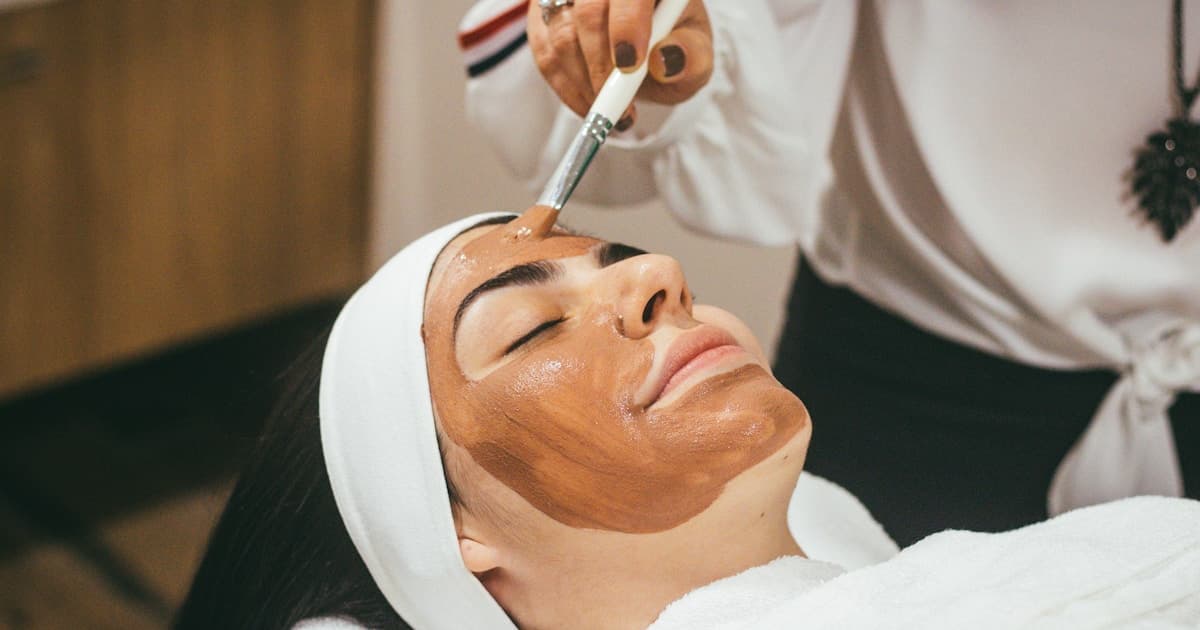
Protocols vary by clinic and product range, but a professional growth factor facial will usually combine several steps designed to prepare the skin, deliver supportive ingredients, and calm the barrier.
A typical appointment may include:
-
Consultation and skin assessment
Your therapist checks sensitivity, breakouts, pigmentation, recent treatments, medications, pregnancy status, and your current home routine. -
Gentle cleanse and preparation
The skin is cleansed without stripping. Some clinics may use a mild enzyme, PHA, or very gentle exfoliation if appropriate. -
Hydration and barrier support
Humectants, calming ingredients, ceramides, peptides, or anti-redness support may be layered before or after the growth factor step. -
Growth factor serum or mask
A professional serum, mask, or ampoule is applied. Some facials use massage or cooling techniques; others may pair the serum with a device. -
Optional treatment pairing
Depending on your skin, growth factors may be paired with LED light therapy, microneedling, oxygen infusion, ultrasound infusion, or post-peel recovery care. Not every skin needs device-assisted delivery. -
Calming finish and SPF
The appointment usually ends with moisturiser and broad-spectrum sunscreen, especially in Sydney's high-UV environment.
The most important part is not the trend name. It is whether the protocol is chosen for your skin's condition on the day.
Growth Factors vs Exosomes vs Polynucleotides
These terms are often grouped together, but they are not the same thing.
Growth factors are signalling proteins or growth-factor-inspired ingredients used to support skin communication and repair-focused cosmetic outcomes.
Exosomes are tiny extracellular vesicles involved in cell-to-cell communication. In aesthetics, exosome-inspired skincare and post-treatment products have become popular, but the category is complex and quality varies widely.
Polynucleotides and PDRN are DNA-fragment-based ingredients or treatments discussed in relation to hydration, repair, and skin quality. Some are injectable medical aesthetic treatments depending on product and jurisdiction; others appear in topical skincare claims.
For clients, the practical question is less about which buzzword sounds most advanced and more about:
- Is the product appropriate for my skin?
- Is the treatment legal and suitable in Australia?
- Is the practitioner qualified for the procedure being performed?
- Is the clinic making realistic claims?
- How does this fit into my full skin plan?
A good consultation should translate the science into a sensible treatment choice, not overwhelm you with terminology.
Who Might Benefit From a Growth Factor Facial?
A growth factor facial may be worth discussing if your main concerns include skin quality rather than a single deep structural issue.
It may suit clients who want support for:
- Dull, tired, or stressed-looking skin
- A damaged or overworked skin barrier
- Fine surface lines and early texture changes
- Post-travel dehydration
- Pre-event glow without obvious downtime
- Recovery support after selected professional treatments
- Skin that feels reactive after too many actives
- A more gradual, natural-looking skin maintenance plan
It can also be useful for clients who are not ready for stronger resurfacing treatments, or who need something gentle between more active appointments.
However, it may not be enough on its own for deeper acne scarring, significant pigmentation, advanced laxity, or concerns that require injectables, laser, RF microneedling, prescription skincare, or medical review. In those cases, growth factors may be supportive, but they should not be positioned as the main solution.
Who Should Be Cautious?
Because growth factor facials can sound gentle, it is easy to assume they are suitable for everyone. That is not always true.
You should have a careful consultation if you are pregnant or breastfeeding, using prescription acne medication, managing active dermatitis, dealing with infection or cold sores, recovering from a recent procedure, undergoing cancer treatment, or using strong actives that have made your skin reactive.
You should also be cautious with any treatment that combines growth factors with deeper delivery methods, such as microneedling. Microneedling is a professional skin-stimulation treatment and should only be performed when your barrier is ready, by someone trained to assess contraindications and aftercare.
A responsible clinic will not push a regenerative-sounding treatment onto inflamed or compromised skin just because it is trending.
The Sydney Factor: UV, Climate and Lifestyle
Sydney skin has its own context. UV exposure is high, even on cooler or cloudy days. Many clients move between outdoor commutes, indoor air conditioning, gym sessions, long workdays, and social events. That combination can leave skin dehydrated, flushed, uneven, or more sensitive than expected.
A growth factor facial may be especially relevant when the goal is to support the skin around these lifestyle realities. For example:
- Before an event, it may be used as a low-downtime glow treatment.
- After travel, it may help rebuild comfort and hydration.
- During winter, it may support dry, retinoid-sensitive skin.
- After a peel or microneedling course, it may be part of recovery planning.
- During a high-stress period, it may help shift the routine away from over-treatment.
The best results usually come from matching the treatment to the season, your current routine, and your tolerance, rather than booking the strongest option available.
Can Growth Factor Facials Help After Microneedling or Peels?
Many clients hear about growth factors in the context of post-procedure care. That makes sense: treatments like microneedling, peels, and certain energy-based procedures are designed to stimulate controlled renewal. After that kind of stimulation, the skin needs calm, hydration, and barrier support.
A growth factor product may be used as part of a recovery-focused protocol, depending on the treatment performed and the product selected. The key phrase is part of. Post-treatment recovery still depends on simple basics: no picking, no harsh actives, diligent SPF, gentle cleansing, moisturiser, and following the clinic's aftercare instructions.
If you are booking microneedling or a peel, ask your therapist:
- What will be applied immediately after treatment?
- What should I use at home for the first three to seven days?
- When can I restart retinoids, acids, vitamin C, or exfoliation?
- What signs mean I should contact the clinic?
Growth factors are most useful when they sit inside a well-managed recovery plan.
What Results Should You Expect?
A single growth factor facial may leave skin looking fresher, calmer, and more hydrated. Some clients notice a smoother makeup finish or a more rested glow in the days after treatment.
For longer-term skin quality goals, growth factor facials are usually better viewed as a course or maintenance tool. Depending on your skin, a clinic might recommend a series of treatments spaced a few weeks apart, or occasional appointments between more active procedures.
Realistic improvements may include:
- Better visible hydration
- Softer texture
- A calmer-looking barrier
- More even radiance
- Improved comfort after active routines
- Support for a broader collagen or skin longevity plan
They should not be sold as a guaranteed facelift, scar cure, pigmentation cure, or replacement for medical dermatology care.
What to Ask Before Booking
Because growth factor facials are a fast-growing category, quality matters. Before booking, ask clear questions.
Good questions include:
- What product range or serum is being used?
- Is it topical, device-assisted, or paired with microneedling?
- Is the treatment suitable for my skin type and current routine?
- What downtime should I expect?
- What results are realistic after one session?
- How many sessions might be needed?
- What aftercare should I follow?
- Are there any reasons I should avoid it?
A trustworthy clinic should answer without making exaggerated claims. If the explanation sounds too good to be true, or if the treatment is described as suitable for everyone, it is worth slowing down.
How to Support Results at Home
Growth factor facials work best when your home routine is not fighting the treatment. In 2026, the most modern routines are often simpler, not more complicated.
For many clients, a supportive routine includes:
- A gentle cleanser
- A hydrating serum or mist if needed
- Barrier-supportive moisturiser
- Daily broad-spectrum SPF
- Carefully introduced actives, not too many at once
- Professional guidance before combining retinoids, acids, and exfoliants
If your skin is reactive, the first goal may be to reduce inflammation and rebuild comfort before adding more active steps. If your skin is resilient, a therapist may help you integrate growth factor support alongside retinoids, antioxidants, peptides, or pigmentation care.
The treatment room can only do so much if the bathroom shelf is causing constant irritation.
Where Growth Factor Facials Fit in a Skin Plan
Think of growth factor facials as one layer in a broader skin strategy. They may sit between calming facials, LED therapy, microneedling, peels, injectables, skin boosters, and home skincare depending on your goals.
For example:
- A client with barrier damage may start with calming facials and moisturiser repair before considering stimulation.
- A client preparing for an event may choose a gentle growth factor facial one to two weeks before, depending on sensitivity.
- A client doing microneedling may use growth factor support as part of recovery and maintenance.
- A client focused on graceful ageing may combine SPF, retinoid tolerance, collagen-supportive treatments, and occasional repair facials.
The best plan is staged. It respects what your skin can handle now while building toward what you want later.
The Bottom Line
Growth factor facials are popular in 2026 because they reflect where beauty is heading: less punishment, more repair; less over-treatment, more skin intelligence; less chasing drama, more investing in long-term skin quality.
For Sydney clients, they can be a thoughtful option for hydration, barrier comfort, post-treatment support, and subtle radiance. But the result depends on product quality, treatment design, practitioner judgement, and realistic expectations.
If you are curious, book a consultation first. Bring your current skincare list, be honest about sensitivity and recent treatments, and ask how a growth factor facial would fit into your wider plan.
At SkinSpirit, the goal is not to follow every trend. It is to choose the right treatment, at the right intensity, for the skin in front of us.