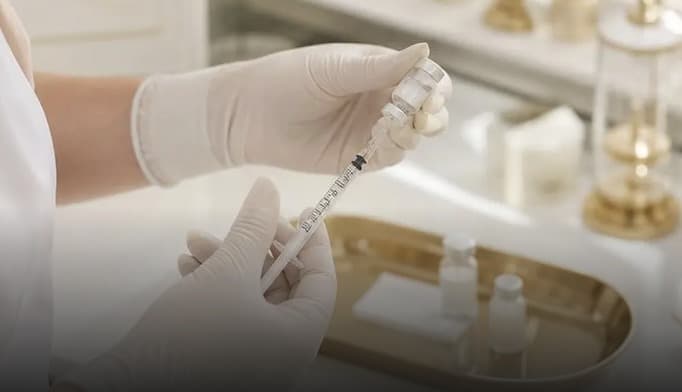
GLP-1 Drugs and Your Skin: How Ozempic & Wegovy Affect Your Appearance (And What Aesthetic Treatments Can Help)
If you're taking a GLP-1 medication like Ozempic, Wegovy, or Mounjaro, you're not alone. These drugs have transformed weight management for millions of Australians, delivering meaningful, often life-changing results. But alongside the weight loss, many patients notice something unexpected: changes to their skin, face, and hair that weren't part of the plan.
At SkinSpirit, we're seeing more and more clients in Sydney navigating these side effects — and we want you to know that what you're experiencing is completely normal, well-understood, and very treatable.
This guide covers the most common skin and appearance changes caused by GLP-1 medications, why they happen, and the regenerative aesthetic treatments that can help restore your confidence.
What Are GLP-1 Drugs and Why Are They So Popular?
GLP-1 receptor agonists (semaglutide, tirzepatide, and related medications) were originally developed for type 2 diabetes management. They work by mimicking a natural hormone that regulates appetite, blood sugar, and metabolism. The result: significant, sustained weight loss — often 15–25% of body weight over 12–18 months.
In Australia, prescriptions for these medications have surged since 2024. And while the health benefits are substantial — improved cardiovascular markers, better metabolic health, reduced inflammation — the rapid pace of weight loss can create visible changes that catch patients off guard.
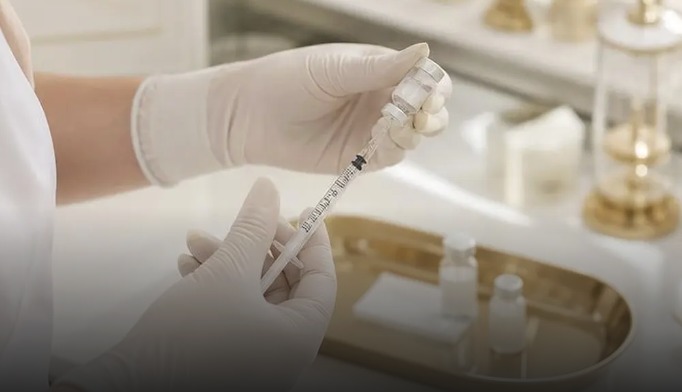
The Most Common Skin and Appearance Changes on GLP-1 Medications
1. "Ozempic Face" — Facial Volume Loss
This is the change that's sparked the most conversation. When you lose weight rapidly, fat pads in the face — particularly in the cheeks, temples, and under-eye area — deflate. The result is a gaunt, hollowed appearance that can add years to your look, even as the rest of your body is transforming positively.
The term "Ozempic face" has entered mainstream vocabulary, but it's not unique to semaglutide. Any significant, rapid weight loss can cause the same effect. The face simply has less structural fat to spare than the body.
What you might notice:
- Hollowed cheeks and temples
- Deeper nasolabial folds (smile lines)
- Under-eye hollows becoming more pronounced
- A generally "deflated" or aged appearance
2. Skin Laxity — Loose, Sagging Skin
Rapid weight loss doesn't give your skin time to adapt. Collagen and elastin — the proteins responsible for skin firmness and elasticity — can't remodel fast enough to keep up with shrinking fat stores. The result is loose, sagging skin on the face, neck, jawline, and body.
This is particularly noticeable in patients over 35, as natural collagen production is already declining by roughly 1–1.5% per year from your mid-twenties onward.
3. Skin Dullness and Texture Changes
GLP-1 medications can affect nutrient absorption and appetite, which sometimes leads to reduced intake of vitamins and minerals essential for skin health — particularly zinc, biotin, iron, and vitamins A, C, and E. The result: dull, dry skin that's lost its glow.
Some patients also report changes in skin texture, increased sensitivity, or a general "tired" look to their complexion despite feeling healthier overall.
4. Hair Thinning
Telogen effluvium — temporary, diffuse hair shedding triggered by rapid weight loss or nutritional shifts — is a well-documented side effect. GLP-1 patients frequently report increased hair loss beginning 2–4 months after starting treatment.
The good news: this is almost always temporary and reversible. But it can be distressing, and proactive treatment can significantly reduce the severity and duration of shedding.
Why These Changes Happen: The Science
The core issue is speed. GLP-1 drugs are remarkably effective at suppressing appetite and promoting fat loss, but the body's structural tissues — skin, collagen scaffolding, facial fat compartments — can't remodel at the same pace.
Key mechanisms:
- Fat compartment deflation: Facial fat exists in discrete compartments. When these shrink rapidly, the overlying skin has nothing to drape over, creating hollows and sagging.
- Collagen deficit: Caloric restriction and rapid weight change can temporarily suppress collagen synthesis, compounding the laxity problem.
- Nutritional gaps: Reduced appetite means reduced intake of skin-essential nutrients, affecting cell turnover, hydration, and barrier function.
- Hormonal shifts: Weight loss alters oestrogen, testosterone, and growth hormone levels, all of which influence skin quality and hair growth cycles.
Understanding these mechanisms is important because it tells us exactly where to intervene — and modern aesthetic medicine has excellent tools for each one.
Aesthetic Treatments That Help: A Sydney Clinic's Approach
At SkinSpirit, we've developed targeted treatment protocols specifically for GLP-1 patients. Our approach is regenerative, not just cosmetic — we aim to restore your skin's own capacity to produce collagen, retain volume, and maintain health.
Sculptra: The Bio-Stimulator Renaissance
Sculptra (poly-L-lactic acid) is experiencing a genuine renaissance, and GLP-1 patients are a big reason why. Unlike traditional dermal fillers that add volume directly, Sculptra stimulates your body's own collagen production over weeks and months.
Why it's ideal for GLP-1 patients:
- Gradual, natural-looking results that evolve over 2–6 months
- Treats the underlying cause (collagen loss) rather than just masking symptoms
- Results last up to 2+ years
- Works beautifully for temples, cheeks, jawline, and even body areas with laxity
Sculptra aligns perfectly with the longevity-focused, regenerative philosophy that's defining modern aesthetics in 2026.
Dermal Fillers for Strategic Volume Restoration
For patients who need more immediate results — particularly in the mid-face, under-eyes, and temples — hyaluronic acid dermal fillers provide precise, targeted volume restoration.
The key with GLP-1 patients is strategic placement. We're not trying to recreate your pre-weight-loss face; we're restoring the structural support your skin needs to sit properly. Think of it as architectural reinforcement rather than inflation.
Best areas for GLP-1 patients:
- Temples (to reduce the hollow, aged look)
- Cheeks (restoring the mid-face "apple")
- Nasolabial folds and marionette lines
- Under-eye hollows (tear trough treatment)
PRP Therapy: Your Own Biology, Supercharged
PRP (Platelet-Rich Plasma) therapy uses growth factors from your own blood to stimulate skin regeneration. For GLP-1 patients dealing with dullness, texture changes, and early laxity, PRP is an outstanding option.
Combined with microneedling, PRP drives collagen remodelling deep in the dermis, improving skin quality from the inside out. It's also one of the best evidence-based treatments for hair thinning — PRP scalp treatments can significantly reduce telogen effluvium shedding and promote regrowth.
Skin Tightening: RF Microneedling and Beyond
For laxity that goes beyond what bio-stimulators can address, radiofrequency (RF) microneedling and skin tightening treatments deliver controlled thermal energy deep into the skin to stimulate collagen contraction and new collagen formation.
These treatments are particularly effective for:
- Jawline and neck laxity
- Jowl formation
- Crêpey skin texture on the face and body
- General skin firming and tightening
At SkinSpirit, we often combine RF microneedling with Sculptra for a comprehensive collagen-rebuilding protocol.
LED Light Therapy: The Gentle Accelerator
LED light therapy might be the most underrated tool in the GLP-1 skin recovery toolkit. Different wavelengths target different concerns:
- Red light (630–660nm): Stimulates collagen production and cellular energy
- Near-infrared (830nm): Penetrates deeper for tissue repair and inflammation reduction
- Blue light (415nm): Antibacterial properties for any breakout activity
LED therapy is non-invasive, has zero downtime, and works synergistically with every other treatment on this list. We recommend it as a regular maintenance treatment for GLP-1 patients.
Building Your Treatment Plan: What to Expect
Every GLP-1 patient's experience is different, which is why we start with a comprehensive consultation to assess your specific concerns, skin condition, and goals.
A typical treatment journey might look like:
- Consultation and skin analysis — understanding your medications, timeline, and objectives
- Foundation phase (months 1–3): Sculptra for collagen stimulation + PRP for skin quality and hair health
- Refinement phase (months 3–6): Targeted dermal fillers for specific volume needs + RF microneedling for tightening
- Maintenance phase (ongoing): LED therapy + periodic PRP + annual Sculptra top-ups
The beauty of this approach is that results build naturally over time — no sudden, dramatic changes. Just a gradual restoration of skin health and facial harmony.
What You Can Do at Home
Aesthetic treatments work best alongside good home care:
- Prioritise protein intake — collagen synthesis requires amino acids
- Supplement strategically — zinc, biotin, vitamin C, and omega-3 fatty acids support skin and hair
- SPF daily — non-negotiable, especially when your skin is in recovery mode
- Hydrate — GLP-1 drugs can be dehydrating; aim for 2+ litres daily
- Use active skincare — retinoids, peptides, and hyaluronic acid serums support the work your treatments are doing
You Deserve to Feel as Good as You Look
GLP-1 medications are genuinely transformative for metabolic health, and if they're working for you, that's something to celebrate. The skin and appearance changes that come with rapid weight loss are not a failure — they're a predictable, physiological response that modern aesthetic medicine is superbly equipped to address.
At SkinSpirit in Sydney, we approach GLP-1 skin concerns with empathy, expertise, and a regenerative philosophy. We're not here to judge your choices or push unnecessary treatments. We're here to help you feel confident in the skin you're in — whatever your journey looks like.
Ready to discuss your options? Book a consultation with our experienced team, or get in touch to learn more about our GLP-1 skin recovery protocols.
Disclaimer: This article is for informational purposes only and does not constitute medical advice. Always consult with your prescribing doctor regarding your GLP-1 medication and any concerns about side effects. Aesthetic treatments should be performed by qualified practitioners after a thorough consultation.