Electrolysis Hair Removal in Sydney: Why Permanent Hair Removal Is Back in 2026
In 2026, one of the most interesting conversations in Australian beauty is not about a new ingredient or a futuristic device. It is about a treatment many people thought belonged to another era: electrolysis hair removal.
Across professional beauty education, including the 2026 Beauty Expo Australia program in Sydney, electrolysis is being discussed again as a precise, modern option for people who want long-term hair removal beyond shaving, waxing, threading, IPL or laser reduction. The renewed interest makes sense. Clients are more informed than ever. They understand that different hair types respond differently to different technologies, and they want honest guidance instead of one-size-fits-all promises.
At SkinSpirit, we see this trend as part of a bigger shift toward personalised aesthetic planning. The best hair removal pathway is not always the fastest or the most advertised. It depends on skin tone, hair colour, hair density, hormones, treatment area, pain tolerance, budget, medical history and the result you want.
This guide explains what electrolysis is, why it is resurfacing in 2026, how it compares with laser hair removal, and what Sydney clients should consider before booking a permanent hair removal consultation.
What Is Electrolysis Hair Removal?
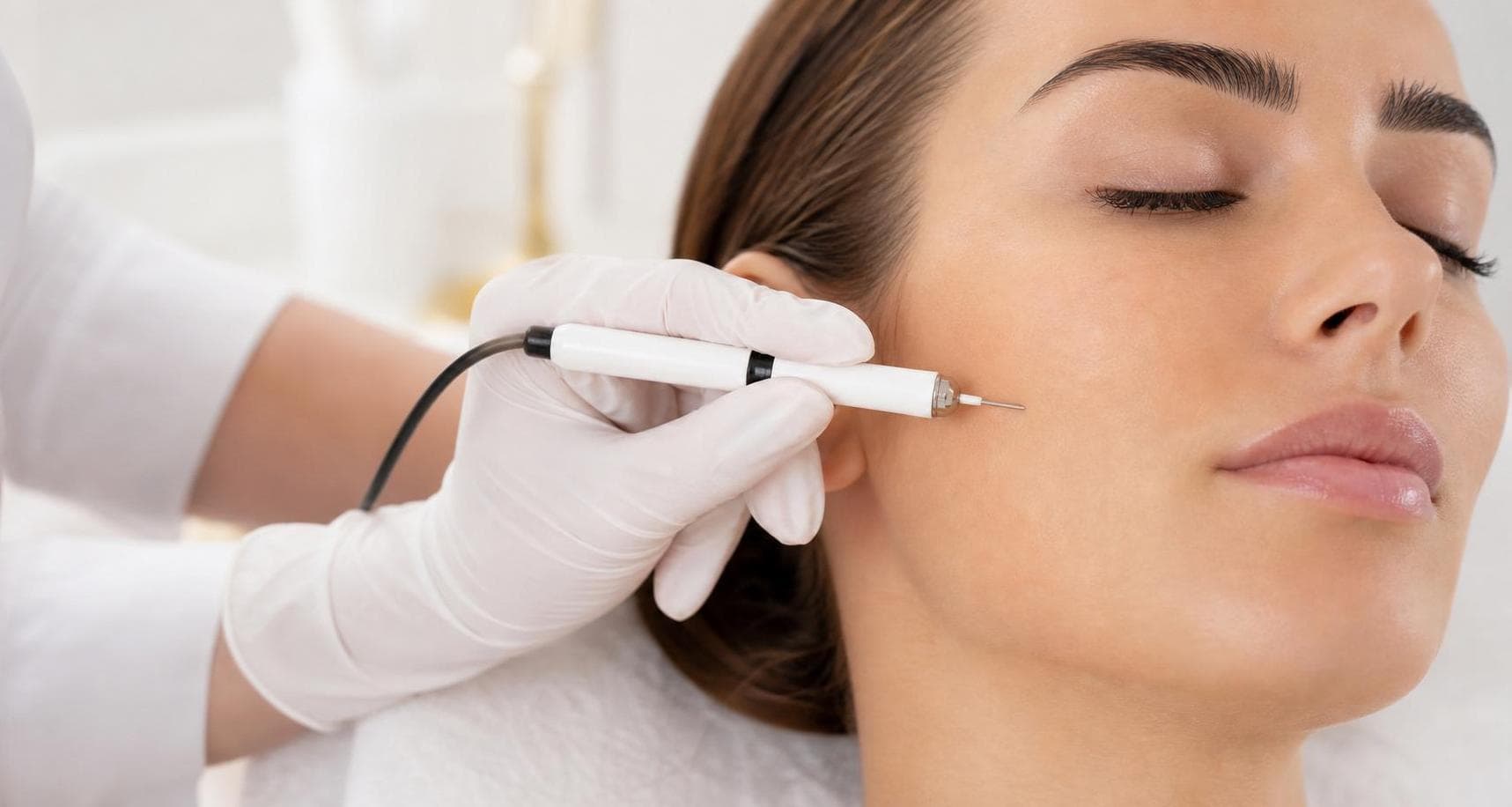
Electrolysis is a professional hair removal method that treats individual hair follicles one at a time. A very fine probe is inserted into the natural opening of the follicle, and a controlled electrical current is used to disable the follicle's ability to produce another hair.
Unlike methods that remove hair from the surface or reduce growth across a broader area, electrolysis is valued for its follicle-by-follicle precision. That is why it is often discussed for small, detailed or hormonally influenced areas, such as:
- Upper lip
- Chin
- Jawline
- Sideburns
- Neck
- Eyebrows or brow shaping edges
- Areola area
- Fingers or toes
- Small patches of persistent hair after laser
- Light, grey, white, red or blonde hairs that laser may not target well
Electrolysis is not a quick single-session fix. Hair grows in cycles, so only follicles in the right growth phase can be effectively treated at a given appointment. A full result requires a planned course of sessions over time.
Why Is Electrolysis Trending Again in 2026?
The renewed interest in electrolysis is not random nostalgia. It reflects several broader beauty and aesthetics shifts.
1. Clients Want Accuracy, Not Just Speed
Laser hair removal is popular because it can treat larger areas quickly. For legs, underarms or bikini lines, that speed can be a major advantage. But not every client is trying to clear a large area. Many people are bothered by a small number of stubborn hairs in a visible place — the chin, upper lip, jawline or around the brows.
For those clients, precision can matter more than speed. Electrolysis offers a detailed approach that can target individual follicles instead of relying on pigment contrast across a larger treatment zone.
2. More People Understand the Limits of Laser
Laser hair removal works by targeting pigment in the hair. It tends to perform best when there is clear contrast between darker hair and lighter surrounding skin, although modern devices and experienced practitioners can treat a wider range of skin tones than older systems.
However, laser is not ideal for every hair colour. Very fair, white, grey or red hair often has too little pigment for reliable laser targeting. This is one reason electrolysis is being discussed again: it does not rely on hair pigment in the same way.
3. Hormonal Facial Hair Is a Real Concern
Many women experience facial hair changes due to genetics, perimenopause, menopause, polycystic ovary syndrome, medication changes or other hormonal influences. The issue is common, but it can be emotionally distressing, especially when hair appears on the chin, upper lip or jawline.
In 2026, beauty clients are less willing to accept vague advice or repeated temporary fixes. They want a realistic plan. Electrolysis may be one option within that plan, particularly for persistent facial hairs that are not responding well to other approaches.
4. Inclusive Treatment Planning Is Becoming Standard
A more inclusive beauty industry means more honest conversations about different skin tones, hair colours, gender identities and medical backgrounds. Hair removal is not just a cosmetic convenience. For some clients, it is part of feeling comfortable in their skin.
Electrolysis is often discussed in professional circles for its usefulness across different hair colours and for detailed gender-affirming or facial hair management plans. As with any treatment, the key is appropriate training, hygiene, consultation and realistic timelines.
5. The Beauty Industry Is Moving Back Toward Skill
A major trend in 2026 is the return of practitioner skill. Clients are looking beyond flashy devices and asking who is performing the treatment, what training they have, how they assess suitability and how they manage the skin barrier afterwards.
Electrolysis is a skill-based service. Technique, magnification, skin preparation, probe selection, timing and aftercare all matter. That is part of why professional education is bringing it back into the spotlight.
Electrolysis vs Laser Hair Removal: What Is the Difference?
Both electrolysis and laser hair removal can be valuable. They are simply different tools.
Laser Hair Removal
Laser uses light energy to target pigment in hair follicles. It is usually chosen for larger areas and can significantly reduce hair growth over a series of treatments.
Best suited for: larger areas, darker hairs, clients wanting efficient reduction across underarms, legs, arms, bikini, chest or back.
Limitations: less reliable for white, grey, red or very blonde hair; may need maintenance; suitability depends on skin tone, device, practitioner skill and medical history.
Electrolysis
Electrolysis treats individual follicles using a fine probe and controlled current. It is slower but highly targeted.
Best suited for: small areas, facial hair, stubborn individual hairs, light or grey hair, shaping work, and finishing hairs that remain after laser.
Limitations: requires patience; can be time-intensive; comfort varies; skin may need careful aftercare; results depend heavily on practitioner skill and consistency.
Is Electrolysis Truly Permanent?
Electrolysis is widely described as a permanent hair removal method because it aims to disable the follicle's ability to regrow hair. However, responsible clinics should still explain the nuance.
A treated follicle can be permanently affected when the right hair is treated at the right growth stage with the right technique. But not every visible hair is in the ideal growth phase at each appointment. Hormonal changes can also stimulate new follicles over time. That means clients usually need multiple sessions, and some may need occasional follow-up work if new hair appears later.
The most honest expectation is this: electrolysis is a serious long-term hair removal strategy, but it is a course, not a one-appointment cure.
What Happens During an Electrolysis Appointment?
A professional appointment should begin with a consultation. Your practitioner should ask about:
- Your hair removal history
- The area you want treated
- Skin sensitivity or pigmentation concerns
- Medications and topical actives
- Pregnancy or medical considerations
- Hormonal conditions such as PCOS
- Recent waxing, threading, laser or peels
- Your desired result and timeline
During treatment, the skin is cleansed and the practitioner works follicle by follicle. You may feel warmth, a tiny sting or a brief prickling sensation. Sensation varies depending on the area, hair depth, settings and individual tolerance.
After treatment, the area may look slightly pink or feel tender. Small temporary bumps can occur. Good aftercare is important because the follicle opening needs time to settle.
Electrolysis Aftercare: Protect the Skin Barrier
Hair removal aftercare is not complicated, but it does matter. For the first 24 to 48 hours, your practitioner may recommend that you:
- Keep the area clean and avoid touching it unnecessarily
- Avoid heavy makeup on the treated area if possible
- Avoid sweating, saunas, hot yoga and swimming immediately after treatment
- Avoid exfoliating acids, retinoids and strong active skincare
- Use gentle, barrier-supportive moisturiser if advised
- Wear sunscreen if the treated area is exposed
- Do not pick at any tiny bumps or crusting
This is where electrolysis connects with another major 2026 trend: barrier-first beauty. Permanent hair removal is not just about the follicle. The surrounding skin needs to be treated respectfully so the result looks calm, even and polished.
Who Might Consider Electrolysis?
Electrolysis may be worth discussing if you:
- Have light, grey, white or red hairs that laser does not target well
- Have a small area of facial hair that bothers you
- Have stubborn hairs after laser hair removal
- Want detailed brow, lip, chin or jawline work
- Need a more personalised plan because of hormonal hair growth
- Prefer a precise follicle-by-follicle approach
- Are looking for a long-term strategy rather than repeated waxing or threading
It may not be the first choice if you want rapid reduction over a large area, if you cannot commit to a series of appointments, or if your skin is currently inflamed, infected, sunburned or compromised. A consultation should help clarify suitability.
Planning a Sydney Hair Removal Strategy
Sydney clients face a unique mix of lifestyle and climate factors. We have high UV exposure, busy work schedules, summer social seasons and many clients who move between active skincare, injectables, facials and hair removal. A good plan should fit around all of that.
For example, if you are using retinoids or exfoliating acids, your practitioner may advise pausing them around treatment. If you are planning a peel, microneedling, laser resurfacing or injectables, timing matters. Combining too many skin stressors in one week is rarely the elegant choice.
A practical plan may include:
- Consultation and mapping — identify the exact hairs and areas of concern.
- Method selection — decide whether laser, electrolysis or a combination makes sense.
- Skin preparation — calm sensitivity and protect the barrier.
- Treatment schedule — book realistic session intervals based on growth cycles.
- Aftercare and review — monitor redness, pigmentation risk and progress.
- Maintenance plan — decide whether occasional review sessions are needed.
Common Myths About Electrolysis
Myth: Electrolysis Is Old-Fashioned
Older does not automatically mean outdated. Many effective aesthetic techniques have long histories. What matters is current training, hygiene standards, device quality and practitioner skill. The 2026 conversation is not about returning to the past; it is about using the right tool for the right client.
Myth: Laser and Electrolysis Do the Same Thing
They do not. Laser treats broader areas by targeting pigment. Electrolysis treats individual follicles. Many clients benefit from understanding both instead of assuming one is universally better.
Myth: Electrolysis Is Only for Facial Hair
Facial hair is a common use case, but electrolysis can be used on different small areas where precision is needed. Large areas may be less practical because treatment is follicle by follicle.
Myth: You Only Need One Session
Hair growth cycles make that unrealistic. A course is expected. The number of sessions depends on area size, density, growth cycle, previous hair removal methods and hormonal influences.
Myth: You Can Wax Between Sessions
Your practitioner will usually discourage waxing or plucking during a course because the hair needs to be present in the follicle for treatment. Trimming or shaving may be recommended instead, depending on timing.
Questions to Ask Before Booking
Before starting electrolysis, ask:
- What areas do you treat most often?
- What training do you have in electrolysis?
- How do you assess skin and hair suitability?
- How many sessions might this area require?
- What should I avoid before and after treatment?
- Can I continue retinoids, acids or prescription skincare?
- How do you manage sensitive skin or pigmentation risk?
- What results are realistic for my hair type and hormones?
A good practitioner will welcome these questions. Clear expectations are part of good aesthetics.
The SkinSpirit Perspective
The return of electrolysis fits the direction beauty is moving in 2026: more precise, more honest, more personalised and less trend-chasing. Whether a client chooses laser, electrolysis, facial treatments, injectables or barrier repair, the goal should be the same — a plan that respects the individual.
For some people, electrolysis may be the missing piece after years of waxing, tweezing or laser sessions that did not fully address light or stubborn hairs. For others, laser may still be the better first-line option. The point is not to declare one method the winner. The point is to match the method to the person.
Considering Permanent Hair Removal in Sydney?
If unwanted facial or body hair is affecting your confidence, the first step is a thoughtful consultation. Bring your treatment history, skincare routine and any relevant medical context. Be honest about what bothers you most and how much downtime or appointment commitment you can manage.
From there, your practitioner can help you decide whether electrolysis, laser hair removal, skincare support or a combined plan is the most sensible path.
In 2026, permanent hair removal is not about chasing a flawless ideal. It is about choice, comfort and confidence — with a plan that works for your skin, your hair and your life in Sydney.