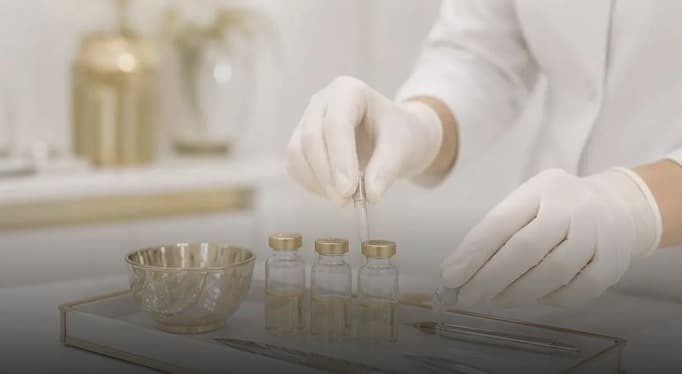
Ectoin Skincare in Sydney: The 2026 Barrier Ingredient for Sensitive, Stressed Skin
Every year has a skincare ingredient that seems to appear everywhere at once. Some burn brightly for a season, then disappear from bathroom shelves. Others earn a permanent place because they solve a real problem. In 2026, ectoin is moving into that second category.
Sydney clients are asking different questions now. Instead of chasing the strongest peel, the highest retinol percentage or the most dramatic overnight result, more people want skin that is calm, hydrated, resilient and predictable. They still want glow. They still want smoother texture and healthy ageing support. But they do not want to feel tight, red, reactive or stripped while getting there.
That is where ectoin has become interesting. It fits perfectly into the wider 2026 movement toward barrier health, skin longevity and smarter routines. It is not a harsh exfoliating acid. It is not a replacement for professional treatments. It is a supportive, barrier-friendly ingredient that can help stressed skin tolerate modern life — and, for many people, tolerate their active skincare routine more comfortably.
For Sydney skin, that matters. Our climate can be unforgiving: high UV exposure, humid summers, air-conditioned offices, windy coastal days, pollution, winter dryness and a culture of active skincare all collide on the face. If your skin often feels dehydrated, flushed, stingy or "fine one week and angry the next", ectoin is worth understanding.
What Is Ectoin?
Ectoin is a small protective molecule known as an extremolyte. Extremolytes are substances produced by certain microorganisms that survive in harsh environments such as salt lakes, deserts and extreme temperatures. In skincare, ectoin is used because of its ability to help protect and stabilise the skin's surface environment.
The simplest way to think of ectoin is this: it helps skin hold onto water and cope with stress.
Unlike exfoliating acids, retinoids or strong brightening agents, ectoin is not designed to force the skin into rapid visible turnover. Its role is more supportive. It helps create a more comfortable environment for skin cells, supports hydration, and complements barrier-focused ingredients such as ceramides, glycerin, panthenol, beta-glucan and hyaluronic acid.
That may sound quiet, but quiet is exactly what many 2026 skincare routines need. After years of "more actives, more layers, more devices", many clients are discovering that their skin looks better when it is less inflamed.
Why Ectoin Is Trending in 2026
Ectoin is trending because the beauty conversation has matured. Clients are more ingredient-literate than ever, but they are also more aware of the cost of overdoing it. We now see people who own excellent products, follow credible advice and still end up with compromised skin because they combine too many stimulating steps at once.
The 2026 trend is not about abandoning active skincare. It is about building a routine that the skin can actually sustain.
Ectoin sits at the intersection of several major beauty shifts:
- Barrier repair: people want calm, hydrated skin before they chase stronger results.
- Skin longevity: the goal is long-term function, not short-term irritation.
- Sensitive-skin inclusivity: more routines are being designed for redness, rosacea-prone skin and post-treatment recovery.
- Treatment support: clients want home care that helps professional facials, peels, needling or laser plans feel more manageable.
- Minimalism: fewer products, better chosen, used consistently.
It also appeals because it is easy to understand. Ectoin is not another "miracle" ingredient promising to erase every line. Its value is practical: hydration support, barrier comfort and environmental stress support.
Why Sydney Skin Can Become So Reactive
Sydney is beautiful, but it is not always gentle on skin. Many local clients deal with a combination of stressors that makes barrier support essential.
First, there is UV exposure. Even on cloudy days, UV levels in Australia can be significant. UV damage contributes to pigmentation, collagen breakdown, dehydration and inflammation. Sunscreen is non-negotiable, but barrier-supportive skincare helps the skin feel more comfortable under daily SPF and after incidental exposure.
Second, there is climate switching. You might walk from humid outdoor air into a cold, dry office, then into heating at night, then use actives before bed. These constant changes can leave skin feeling tight and unpredictable.
Third, there is active overload. Sydney clients are often well informed and motivated. They may use retinoids, vitamin C, exfoliating acids, brightening serums, LED masks and in-clinic treatments. Each can be useful, but too much stimulation without enough recovery can weaken the barrier.
Finally, there is lifestyle stress. Poor sleep, high cortisol, alcohol, travel, intense exercise, and inconsistent routines can all show up as dullness, redness, congestion or sensitivity.
Ectoin will not solve every one of those factors. But it can be a smart part of a plan for skin that needs resilience rather than more pressure.
What Does Ectoin Do for the Skin?
Ectoin is most often discussed for four benefits: hydration support, barrier comfort, environmental protection support and active-routine tolerance.
1. It Helps Skin Feel More Hydrated
Hydrated skin is not simply skin with water sitting on top. Healthy hydration depends on the barrier being able to keep water in. When the barrier is impaired, water evaporates more easily through the outer layer of the skin, contributing to tightness, flaking, fine dehydration lines and dullness.
Ectoin is valued because it helps support a hydrated environment at the skin surface. In practical terms, clients may notice skin feels less tight, makeup sits more smoothly, and moisturiser seems to last longer through the day.
2. It Supports Barrier Comfort
The skin barrier is your protective outer layer. When it is functioning well, skin usually feels calm, flexible and less reactive. When it is compromised, even ordinary products can sting.
Ectoin is often used in formulas for dry, sensitive or stressed skin because it pairs well with barrier-repair ingredients. It is not a replacement for ceramides or moisturiser, but it can be a useful addition to a recovery routine.
3. It Helps Skin Cope With Environmental Stress
Modern skin is exposed to UV, pollution, heat, cold, wind and indoor climate control. These stressors can contribute to oxidative stress and inflammation. Ectoin is frequently described as a protective molecule because of its role in helping cells withstand harsh conditions.
In skincare language, that means it may be helpful for people whose skin feels easily unsettled by weather changes, travel, office air conditioning or seasonal shifts.
4. It Can Make Active Routines Feel More Tolerable
Many clients do not want to stop retinoids, acids or vitamin C completely — and often they do not need to. The smarter approach is to create a routine that balances active treatment with recovery.
Ectoin can be layered into a routine on recovery nights, under moisturiser, or in a formula that already includes other soothing ingredients. For some people, this can help reduce the "my skin cannot handle anything" feeling that comes from pushing actives too hard.
Who Is Ectoin Best For?
Ectoin is especially interesting if your skin is:
- dry or dehydrated
- sensitive or easily flushed
- prone to tightness after cleansing
- reactive after retinoids or exfoliating acids
- affected by air conditioning or seasonal changes
- recovering from a professional treatment
- dull because it is stressed rather than under-exfoliated
- barrier impaired from overuse of actives
It may also suit people who want an anti-ageing routine but cannot tolerate constant irritation. In 2026, the best aesthetic plans are not about making skin suffer for results. They are about creating consistency. If an ingredient helps you keep using a well-designed routine without frequent barrier setbacks, it has real value.
That said, every skin is different. If you have active dermatitis, severe rosacea, infection, open skin, or persistent burning, it is better to get professional advice rather than simply adding more products.
Ectoin vs Hyaluronic Acid: Are They the Same?
Ectoin and hyaluronic acid are both associated with hydration, but they are not identical.
Hyaluronic acid is a humectant, meaning it helps attract and hold water. It can make skin look plumper and more hydrated, especially when sealed with moisturiser. However, some people find lightweight hyaluronic acid serums are not enough on their own, particularly in dry or air-conditioned environments.
Ectoin is also hydration-supportive, but its appeal is broader. It is discussed for barrier comfort, stress protection and sensitivity support as well as moisture.
You do not necessarily need to choose between them. Many excellent routines include both, along with glycerin, panthenol, ceramides or squalane. The key is formulation. A well-formulated moisturiser or serum is usually more important than chasing a single ingredient at the highest possible percentage.
How to Add Ectoin to Your Routine
If your skin is currently calm, adding ectoin can be simple. Look for it in a serum, moisturiser or barrier cream and introduce it gradually. Use it once daily for a week, then increase if your skin likes it.
If your skin is reactive, keep the rest of your routine boring while you test it. That means:
- gentle cleanser
- ectoin-containing serum or moisturiser
- barrier moisturiser if needed
- sunscreen every morning
Avoid introducing ectoin at the same time as a new retinoid, exfoliating acid, vitamin C or peel pad. If your skin improves, you want to know what helped. If it reacts, you want to know what caused the issue.
For active skincare users, ectoin often works well on recovery nights. For example:
- Monday: retinoid
- Tuesday: ectoin + moisturiser recovery night
- Wednesday: gentle brightening serum
- Thursday: ectoin + moisturiser recovery night
- Friday: retinoid if tolerated
- Weekend: barrier support, SPF and hydration
This is only a general example. The right rhythm depends on your skin history, treatment plan and tolerance.
Pairing Ectoin With Professional Treatments
Ectoin is not a professional treatment by itself, but it can support the skin around treatment planning. At SkinSpirit, the bigger question is always: what does your skin need before, during and after a treatment series?
Before Treatments
If your barrier is compromised, jumping straight into stronger treatments can backfire. Skin may become more inflamed, peel unevenly or take longer to settle. A barrier-prep phase with gentle hydration, moisturiser, SPF and supportive ingredients like ectoin may help prepare the skin for better tolerance.
This can be useful before treatments such as chemical peels, microneedling, skin boosters, LED therapy programs or brightening plans.
After Treatments
Post-treatment skin needs care, not chaos. Depending on the treatment, your therapist or nurse may recommend pausing retinoids, acids and strong actives temporarily. During that window, barrier-supportive skincare becomes the priority.
An ectoin-containing moisturiser or serum may fit into a recovery plan if it is appropriate for your procedure and your skin type. Always follow the aftercare instructions given for your specific treatment.
Between Treatments
The skin you bring to each appointment matters. If your home routine keeps causing flare-ups, your professional results can become less predictable. Ectoin can help form part of a steady maintenance routine that keeps skin hydrated, calm and ready for the next step.
Common Mistakes to Avoid
The biggest mistake is treating ectoin like permission to overdo everything else. Barrier support is helpful, but it cannot fully cancel out an overloaded routine.
Avoid these common traps:
- using exfoliating acids every night because you added a soothing cream
- applying retinoid to already irritated skin
- skipping sunscreen because your routine feels "protective"
- layering too many new ingredients in one week
- using post-treatment skincare that has not been approved for your procedure
- assuming natural or gentle means impossible to react to
The second mistake is expecting instant transformation. Ectoin is not a filler, laser or peel. It is a consistency ingredient. Its benefits are often seen in how the skin behaves over time: less tightness, fewer reactive days, better comfort and a healthier-looking glow.
What to Look For in an Ectoin Product
Choose formulas that match your skin type.
For oily or congestion-prone skin, a lightweight serum or gel-cream may be enough. Look for non-comedogenic textures and avoid heavy occlusive products if they tend to clog you.
For dry or mature skin, ectoin in a richer moisturiser can be helpful, especially when paired with ceramides, peptides, glycerin or squalane.
For sensitive skin, keep fragrance and essential oils low or absent. The simpler the formula, the easier it is to identify what your skin likes.
For treatment recovery, do not guess. Ask your clinician which products are suitable after your specific facial, peel, needling or injectable appointment.
The SkinSpirit View: Ectoin Is Support, Not a Shortcut
We like ectoin because it reflects where good aesthetics is heading: less aggression, more intelligence. Beautiful skin is not created by constantly forcing change. It is built through good assessment, appropriate treatments, daily SPF, a realistic home routine and respect for the skin barrier.
For some clients, the best next step is not another active. It is calming the skin enough that future treatments can work better. For others, ectoin may be a small but useful addition to an already strong routine.
The most important thing is context. If your pigmentation, acne, redness, texture or ageing concerns are significant, ectoin alone will not replace a tailored plan. But if your skin is dry, reactive, overworked or easily stressed, it may help create the stable foundation that makes everything else more effective.
When to Book a Skin Consultation
Consider booking a professional skin consultation if:
- your skin stings when you apply basic moisturiser
- you cannot tolerate products you used to love
- redness or dryness keeps returning
- you are using multiple actives but not seeing progress
- you want to start retinoids, peels or microneedling safely
- you are preparing for an event and want a calm-skin plan
- you are unsure whether your issue is dryness, sensitivity, rosacea, acne or barrier damage
At SkinSpirit, we can help simplify your routine, identify likely triggers and build a treatment plan that supports your skin rather than overwhelming it.
Final Thoughts
Ectoin is not just another 2026 buzzword. It is part of a bigger shift toward resilient, comfortable, long-term skin health. For Sydney clients dealing with UV exposure, climate stress, active skincare and treatment recovery, that shift is welcome.
If your skin has been asking for a break — tightness, redness, flaking, sensitivity or unpredictable reactions — ectoin may be worth discussing at your next appointment. The goal is not to own every trending ingredient. The goal is to choose the right support so your skin can look calm, luminous and healthy for more than one good-skin day at a time.