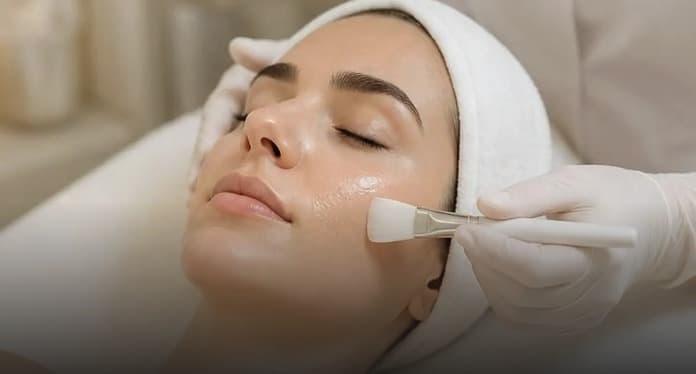
Anti-Glycation Skincare in Sydney: The 2026 Guide to Protecting Collagen from Sugar Ageing
Anti-glycation skincare is one of the quieter but more important skin longevity conversations emerging in 2026. It does not have the instant drama of a peel, the social-media sparkle of glass skin, or the recognisable name of retinol. But if your goal is firmer, calmer, more resilient skin over the next decade, glycation is worth understanding.
At SkinSpirit, we are seeing more Sydney clients ask a smarter version of the anti-ageing question. Instead of asking only, "How do I remove lines?" they are asking, "How do I preserve my collagen, skin quality and glow for longer?" That shift is exactly why anti-glycation belongs in a modern skin plan.
This guide explains what glycation means, why it matters for collagen and elasticity, which skincare ingredients are being discussed in 2026, and how professional treatments can support smoother, healthier-looking skin without chasing an overdone result.
What Is Glycation?
Glycation is a natural process that happens when sugar molecules bind to proteins in the body. In skin, the proteins we care about most are collagen and elastin — the structures that help skin stay firm, springy and smooth.
When glycation progresses, it can create compounds often called advanced glycation end products, or AGEs. The name sounds technical, but the skin effect is easy to understand: collagen fibres can become stiffer and less flexible. Over time, that may contribute to dullness, rough texture, visible lines, loss of bounce and a more tired-looking complexion.
Glycation is not caused by one dessert, one stressful week or one missed skincare step. It is influenced by a mix of internal and external factors: diet patterns, oxidative stress, UV exposure, pollution, inflammation, sleep, hormones and time. That is why the best approach is not panic or restriction. It is consistent skin support.
Why Anti-Glycation Is Trending in 2026
The 2026 beauty conversation is moving from aggressive correction to skin longevity. Clients still want visible improvement, but they increasingly want treatments that respect the skin barrier and support long-term quality. Anti-glycation fits this shift because it focuses on protecting the structures that make skin look naturally healthy.
Several wider trends are feeding the interest:
- Collagen banking: maintaining collagen before major depletion becomes visible.
- Barrier-first skincare: reducing irritation so skin can repair and respond properly.
- Longevity beauty: treating skin as a living tissue, not just a surface to polish.
- Natural injectables: using subtle treatments to look refreshed, not altered.
- Lifestyle-aware aesthetics: recognising that stress, sleep, sun and nutrition all influence results.
For Sydney clients, the topic is especially relevant because our skin faces strong UV exposure, changing humidity, indoor air conditioning, pollution, busy schedules and high sunscreen demands. Glycation is not the only cause of ageing, but it can compound other forms of collagen stress.
What Glycation Can Look Like on the Skin
There is no single "glycation face" and it cannot be diagnosed by a quick mirror check. However, skin affected by collagen stiffening, oxidative stress and chronic low-grade inflammation may show patterns such as:
- Fine lines that look more etched or crepey
- Reduced bounce when the skin is gently pressed
- Dullness or a yellowish, tired-looking tone
- Rough texture that does not improve with basic moisturiser
- Slower recovery after breakouts or irritation
- Loss of firmness around the cheeks, jawline or under-eye area
- A tendency for skin to look stressed even when it is not actively breaking out
These signs can also be caused by sun damage, dehydration, hormonal changes, barrier impairment, volume loss, genetics or simply normal ageing. That is why a professional consultation matters. The goal is to understand what your skin actually needs, not to buy every product labelled anti-ageing.
Anti-Glycation Skincare Ingredients to Know
Skincare cannot completely stop glycation, and no cream can reverse every collagen change. But a thoughtful routine can support antioxidant defence, barrier repair, hydration and collagen-friendly conditions. In 2026, anti-glycation formulas often overlap with skin longevity and antioxidant skincare.
Niacinamide
Niacinamide, also known as vitamin B3, is a reliable multitasker. It supports the skin barrier, helps regulate uneven tone, improves the look of pores and is generally well tolerated. For clients who want anti-ageing benefits without irritation, niacinamide can be a practical anchor ingredient.
Vitamin C
Vitamin C is best known for brightening and antioxidant support. It can help defend against oxidative stress from UV and pollution, both of which can worsen collagen breakdown. The challenge is tolerance: some vitamin C formulas sting or destabilise quickly, so product selection matters.
Retinoids
Retinoids remain a gold-standard ingredient family for texture, fine lines and collagen support. They are not specifically an "anti-glycation only" ingredient, but they fit beautifully into a collagen preservation plan when introduced correctly. In Sydney, we often recommend a cautious approach because strong sun exposure and over-exfoliation can make retinoid irritation more likely.
Peptides
Peptides are popular in longevity skincare because they can support smoother, firmer-looking skin with a gentle profile. They are not a replacement for professional treatment, but they can help clients who want a barrier-friendly routine that still feels active.
Antioxidant Botanicals
Green tea, resveratrol, ferulic acid, licorice, centella and other antioxidant-rich ingredients are commonly used to help reduce environmental stress on the skin. They are most useful when paired with daily sunscreen, not treated as a substitute.
Hydrators and Barrier Lipids
Hyaluronic acid, glycerin, panthenol, ceramides and squalane do not sound as exciting as a trend ingredient, but they are crucial. Dehydrated or irritated skin often looks older than it is. A resilient barrier makes active ingredients easier to tolerate and professional treatments easier to plan.
The Lifestyle Piece: Helpful, Not Judgmental
Because glycation involves sugar chemistry, the topic can easily become moralised. That is not helpful. SkinSpirit's approach is practical and non-judgmental: your skin is influenced by lifestyle, but skincare should never make you feel guilty for being human.
The habits that tend to support collagen health are the same habits that support overall wellbeing:
- Daily broad-spectrum SPF, especially in Sydney's UV conditions
- Consistent sleep where possible
- Protein-rich meals that support tissue repair
- Colourful plant foods for antioxidant intake
- Hydration and reduced alcohol where it suits your lifestyle
- Stress management that is realistic, not perfect
- Avoiding smoking and unnecessary UV exposure
You do not need an extreme protocol. Small, repeatable habits usually beat dramatic resets.
Professional Treatments That Support Collagen Quality
Anti-glycation skincare is strongest when it sits inside a broader skin quality plan. Depending on your skin, goals and tolerance, a clinician may recommend treatments that support renewal, hydration, collagen induction or texture refinement.
Microneedling
Microneedling creates controlled micro-injuries that encourage the skin's repair response. It can be useful for texture, mild scarring, fine lines and overall skin quality. For clients focused on collagen preservation, it is often considered as a series rather than a one-off event.
LED Light Therapy
LED is gentle, calming and barrier-friendly. It may be used as part of a plan for redness, recovery and skin vitality, especially when the skin is too reactive for more intensive procedures. It pairs well with anti-glycation routines because it supports a calmer treatment rhythm.
Chemical Peels
Modern peels can be tailored from very gentle brightening options to more active resurfacing. A well-chosen peel can improve dullness and texture, but the right strength matters. Over-peeling a compromised barrier can backfire, so professional assessment is important.
Skin Boosters and Hydration Treatments
When skin looks thin, dehydrated or crepey, hydration-focused injectable treatments may help improve glow and surface smoothness. These are different from traditional volume fillers. The aim is usually skin quality, not shape change.
Biostimulatory and Regenerative Approaches
Some clients may be suitable for collagen-stimulating or regenerative-style treatments. These options need careful consultation because they depend on medical suitability, budget, downtime tolerance and realistic expectations.
How Anti-Glycation Differs From Collagen Banking
Anti-glycation and collagen banking overlap, but they are not identical.
Collagen banking is the broader strategy of preserving and stimulating collagen before significant ageing changes appear. It may include SPF, retinoids, microneedling, lasers, RF, skin boosters or biostimulatory treatments.
Anti-glycation focuses more specifically on reducing the collagen-stiffening effects associated with sugar-related stress and oxidative damage. It is one piece of the collagen banking puzzle.
A good plan might include both: daily sunscreen, antioxidant support, barrier repair, retinoid acclimatisation, occasional professional treatments and lifestyle habits that reduce unnecessary collagen stress.
Who Should Consider an Anti-Glycation Skin Plan?
You may benefit from this approach if you:
- Are in your late 20s, 30s, 40s or beyond and want preventative skin support
- Notice dullness, texture change or reduced bounce
- Have a busy, high-stress lifestyle and want a realistic routine
- Spend time commuting, outdoors or near reflective Sydney environments
- Have used strong actives and now want a smarter, calmer plan
- Prefer natural-looking results over dramatic transformation
- Want skincare and treatments that support skin health, not just short-term glow
It can also be helpful after a period of inflammation, breakouts, over-exfoliation or sun exposure, once the barrier is stable enough for active treatment.
A Simple Sydney-Friendly Routine Framework
A practical anti-glycation routine does not need fifteen steps. For many clients, the best starting structure is:
Morning
- Gentle cleanse or rinse
- Antioxidant serum, such as vitamin C or niacinamide depending on tolerance
- Barrier-supporting moisturiser
- Broad-spectrum SPF 50+
Evening
- Thorough but gentle cleanse
- Retinoid on suitable nights, introduced gradually
- Peptide or hydration serum on recovery nights
- Ceramide-rich moisturiser
Weekly or monthly
- Avoid stacking too many exfoliants
- Use LED, calming masks or professional facials when appropriate
- Review your routine when seasons change
- Plan clinical treatments around events, travel and sun exposure
The most common mistake is doing too much at once. If your skin is red, tight, shiny, flaky or stinging, it may need repair before it needs more actives.
What Results Are Realistic?
Anti-glycation skincare is a long-game strategy. You should not expect one product to lift the face or erase established wrinkles. Realistic improvements may include:
- A brighter, less tired-looking complexion
- Better hydration and comfort
- Smoother texture
- Improved tolerance to active ingredients
- A healthier glow after consistent use
- Better maintenance between professional treatments
For more visible concerns such as deeper lines, laxity, pigmentation or volume loss, skincare may need to be combined with clinical options. The best results usually come from matching the treatment to the actual cause of the concern.
When to Book a Consultation
Consider booking a professional skin consultation if you are unsure which actives suit you, if your current routine keeps causing irritation, or if you want to combine home care with treatments such as microneedling, peels, LED or skin boosters.
At SkinSpirit, the priority is not to overwhelm you with every trend. It is to build a clear plan: what to calm, what to protect, what to stimulate and what to leave alone. Anti-glycation skincare is useful because it encourages that kind of thinking. It helps shift the goal from looking "done" to looking healthy, rested and consistently cared for.
The Takeaway
Anti-glycation skincare is not a magic cure, but it is a smart 2026 skin longevity concept. By protecting collagen from avoidable stress, supporting the barrier, using antioxidants wisely and choosing treatments that fit your skin, you can maintain a fresher, firmer and more resilient complexion over time.
If your skin feels dull, stressed or less bouncy than it used to, the answer may not be a harsher routine. It may be a more intelligent one.