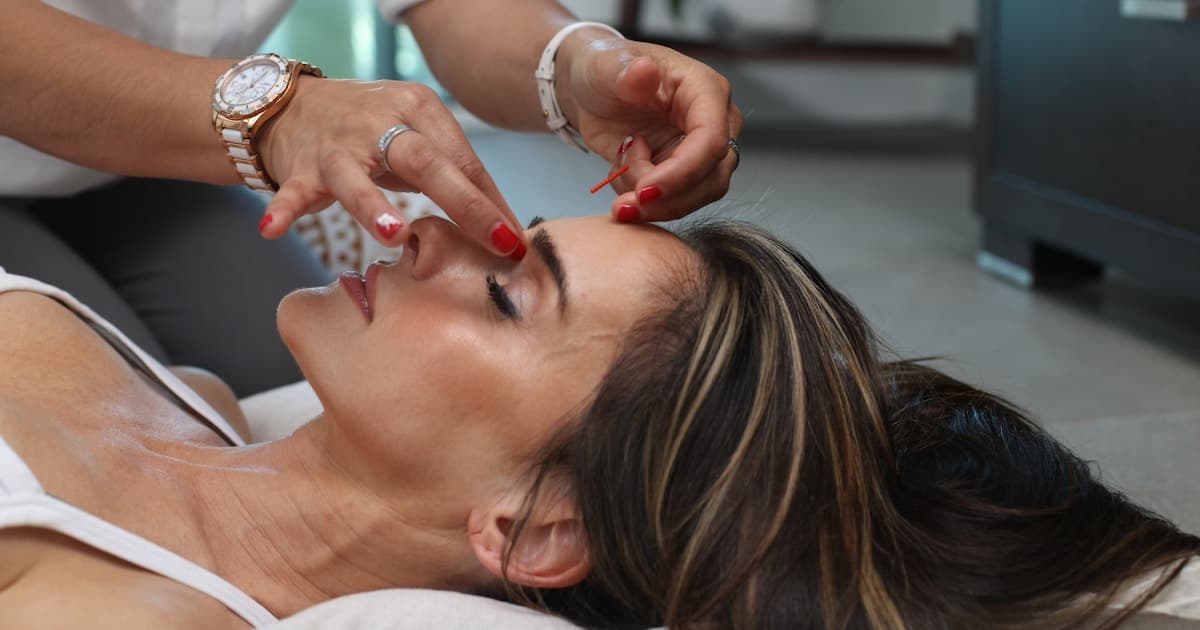
Annual Skin Plans in Sydney: Why 2026 Beauty Is Moving Beyond One-Off Facials
The biggest shift in beauty right now is not a single ingredient, device or injectable trend. It is a different way of thinking: planning your skin year instead of chasing your skin week.
Across professional beauty and aesthetics, 2026 has become the year of smarter sequencing. Clients still want glow, lift, hydration and smoother texture, but they are increasingly wary of overdoing it. They want treatments that support long-term skin quality, respect the barrier and fit real life: work, weddings, holidays, family events, budget and recovery time.
That is where the annual skin plan comes in.
An annual skin plan is a personalised treatment calendar. Instead of booking a facial only when your skin feels dull, or starting a strong active ingredient because a trend is everywhere, the plan maps what your skin needs across the next three, six or twelve months. It considers Sydney seasons, UV exposure, stress, sensitivity, pigmentation risk, injectable timing, collagen-building cycles and home-care rhythm.
For many SkinSpirit clients, this is the difference between constantly reacting to breakouts, dehydration and redness — and calmly building skin that behaves better all year.
Why One-Off Treatments Can Feel Disappointing
A single facial can absolutely make skin feel fresher. It can hydrate, calm, smooth and brighten. But when a client expects one appointment to undo months or years of dehydration, pigmentation, congestion, barrier stress or collagen loss, disappointment is common.
Skin is biological tissue. It responds to consistency, not panic.
One-off treatments can fall short when:
- the skin barrier is already compromised
- actives are being layered aggressively at home
- pigmentation is being triggered by UV exposure after treatment
- collagen stimulation is not given enough time to remodel
- appointments are booked too close to big events
- too many treatment goals are squeezed into one session
- the treatment choice does not match the client's current skin state
This does not mean one-off facials are bad. It means they work best when they sit inside a bigger strategy.
Think of it like fitness. One reformer Pilates class can make you feel energised, but it is the consistent program that changes strength, posture and confidence. Skin is similar. The glow is immediate, but the deeper transformation is cumulative.
What an Annual Skin Plan Actually Includes
A good annual skin plan is not a rigid schedule or an upsell list. It is a flexible framework that helps your practitioner choose the right treatment at the right time.
At SkinSpirit, a plan may consider:
- Your starting point — barrier strength, hydration, acne pattern, pigmentation, redness, texture, laxity and sensitivity.
- Your priority outcome — glow, calmness, fewer breakouts, smoother texture, collagen support, pigmentation control, event preparation or graceful ageing.
- Your risk profile — melasma tendency, post-inflammatory pigmentation, reactive skin, medication, pregnancy, breastfeeding, recent procedures or medical history.
- Your lifestyle — sun exposure, travel, gym routine, work stress, sleep, budget and how much downtime you can realistically manage.
- Your home routine — cleanser, moisturiser, SPF, retinoid use, exfoliation habits, active ingredient tolerance and product clutter.
- Your calendar — weddings, photoshoots, parties, holidays, work launches and seasons where you prefer lower-downtime care.
The goal is not to do more. The goal is to do what makes sense, in the right order.
The 2026 Trend: Planning, Not Pushing
Professional beauty conversations in 2026 are leaning towards longevity, skin quality and integrated care. Rather than chasing every new trend, the strongest clinics are helping clients build a steady rhythm of barrier support, clinical treatments and recovery.
This matters because many people arrive at appointments with overloaded skin. They may be using retinoids, exfoliating acids, vitamin C, at-home devices, acne treatments and masks — often all in the same week. The result can be skin that looks tired, shiny, red, tight or unpredictably congested.
A skin plan creates breathing room. It gives your skin time to adapt before stronger treatments. It builds in repair phases after stimulation. It also helps you avoid the common cycle of doing something intense, getting irritated, stopping everything, then starting again from scratch.
In 2026, luxury skin care feels less like excess and more like precision.
How Sydney Seasons Affect Your Skin Plan
Sydney skin has its own rhythm. The climate shifts from humid summers and high UV exposure to dry indoor heating, wind and cooler winter air. If your treatment plan ignores the season, your skin may push back.
Summer: protect, calm and prevent pigmentation
Summer is not usually the best time to start an aggressive resurfacing plan unless you are extremely disciplined with sun protection and aftercare. Sydney UV can worsen pigmentation, redness and sensitivity after certain treatments.
Summer plans often focus on:
- barrier-friendly hydration facials
- gentle exfoliation rather than strong peeling
- LED support where suitable
- antioxidant and SPF education
- oil-control without stripping
- calming treatments before events
- pigmentation prevention rather than aggressive correction
Autumn: reset after sun exposure
Autumn is a useful time to assess what summer left behind: dehydration, congestion, uneven tone or pigmentation flare-ups. It is often a good season to start more structured corrective work because the weather is gentler and people are settling back into routine.
Autumn plans may include:
- pigment-supportive skincare
- gradual retinoid reintroduction
- barrier repair before stronger actives
- gentle peels where appropriate
- microneedling or collagen-focused treatments for suitable clients
- treatment spacing that allows recovery
Winter: collagen and repair season
Winter is often ideal for treatments that need careful recovery and lower incidental sun exposure. It is also the season when indoor heating can leave skin tight, dull and more reactive.
Winter plans may prioritise:
- hydration and lipid support
- collagen induction treatments where suitable
- resurfacing or texture-focused care
- retinoid acclimatisation
- redness and sensitivity calming
- richer home-care adjustments
Spring: event prep and glow maintenance
Spring is the bridge between corrective work and summer visibility. It is often when clients want fresh, luminous skin for weddings, holidays and warmer weather.
Spring plans commonly include:
- no-downtime glow facials
- final pigment maintenance before summer
- injectable review appointments if appropriate
- makeup-friendly skin smoothing
- gentle lymphatic or sculpting treatments
- SPF wardrobe upgrades
The seasonal plan helps prevent one of the most common mistakes: booking a strong treatment too close to a beach holiday, wedding or photo day.
Barrier First, Always
A strong annual plan starts with the skin barrier because the barrier determines how well your skin tolerates everything else.
When the barrier is impaired, even excellent ingredients can sting. Makeup sits unevenly. Breakouts become harder to interpret. Pigmentation can look more stubborn. Treatments may create more irritation than benefit.
Barrier-first planning may look less dramatic in the first month, but it often creates better outcomes later. A client who spends four weeks strengthening hydration, lipids and cleansing habits may tolerate retinoids, peels or collagen stimulation far better than someone who rushes straight into intensive work.
Signs your plan should begin with barrier repair include:
- tightness after cleansing
- stinging from basic moisturiser
- frequent redness or flushing
- rough patches around the nose or mouth
- sudden intolerance to products you used to love
- shiny-but-dry texture
- breakouts that worsen with more exfoliation
- skin that feels hot, thin or easily marked
If this sounds familiar, your skin does not need punishment. It needs a reset.
Treatment Sequencing: Why Order Matters
The order of treatments can change the result.
For example, if a client wants smoother texture, fewer breakouts and a brighter tone, there are several possible treatment paths. But if the skin is inflamed and dehydrated, jumping straight into strong exfoliation may create more redness. A better sequence might be:
- calm and hydrate
- simplify home care
- introduce SPF discipline
- stabilise breakouts
- begin gentle resurfacing
- support collagen and post-treatment recovery
- maintain monthly or seasonal glow
For a client focused on ageing prevention, the sequence may be different:
- assess facial balance and skin quality
- refine cleanser, moisturiser, SPF and retinoid tolerance
- plan collagen-stimulating treatments in blocks
- use hydration facials between stimulation sessions
- review injectables only if suitable and desired
- maintain with low-downtime treatments before events
The point is not that every person needs the same steps. The point is that the steps should speak to each other.
Planning Around Injectables
If you also have cosmetic injectables, timing matters. Some facials can be done before injectable appointments to hydrate and prepare the skin. Others should be scheduled after an appropriate waiting period, depending on the treatment and your practitioner's advice.
A thoughtful plan avoids stacking too much too quickly. It also helps you book ahead for natural-looking outcomes. If you want to look refreshed for a wedding, graduation, birthday or holiday, your best result usually comes from planning months ahead — not the week before.
This is especially true for treatments that rely on collagen stimulation or gradual improvement. Skin quality changes beautifully when given enough time. Rushed treatments can create stress, swelling, irritation or unrealistic expectations.
The Home-Care Calendar
Your clinic plan and home routine should work together.
Many clients think professional treatment is the main event and home care is optional. In reality, home care is what protects the result between appointments. But it does not need to be complicated.
A skin plan may set seasonal home-care priorities such as:
- daily SPF every morning, even in winter
- a cleanser that does not strip the skin
- barrier moisturiser during dry months
- antioxidant support when tolerated
- retinoid use on planned nights, not randomly
- exfoliation limits to prevent over-treatment
- pause instructions before and after certain procedures
- recovery products for the first week after stimulation
The calendar can also prevent product fatigue. Instead of buying every trending serum, you know what your skin is focusing on this quarter.
Event Skin: The Timeline That Actually Works
One of the most practical benefits of an annual plan is event timing.
For a major event, a general rhythm might look like this:
- 6 months out: consultation, skin goals, routine audit, barrier repair if needed
- 3–4 months out: corrective treatments for texture, pigmentation or breakouts where appropriate
- 6–8 weeks out: refine hydration, calmness and maintenance
- 2–4 weeks out: avoid risky new treatments; focus on predictable glow
- Final week: no experiments, no new actives, no aggressive exfoliation
This structure is especially helpful for brides, professionals with photoshoots, performers, content creators and anyone who wants to feel confident without risking a last-minute reaction.
Who Benefits Most From a Skin Plan?
Almost anyone can benefit, but annual planning is especially useful if you:
- feel overwhelmed by skincare choices
- keep switching products without progress
- have sensitive, reactive or dehydrated skin
- want natural-looking ageing support
- are preparing for a wedding or big event
- have pigmentation that worsens in summer
- want to combine facials, skin treatments and injectables safely
- prefer subtle improvement over dramatic change
- have a limited budget and want to spend it wisely
A plan can be as simple or detailed as you need. Some clients book monthly. Others prefer seasonal check-ins. The best plan is the one you can actually follow.
What To Expect At Your SkinSpirit Consultation
At SkinSpirit, planning begins with listening. We want to understand what is bothering you, what you have tried, what your skin tolerates and what kind of result feels like you.
Your practitioner may discuss:
- current products and active ingredients
- past treatments and reactions
- sensitivity, acne, pigmentation or redness history
- lifestyle and sun exposure
- treatment comfort level
- budget and timing
- upcoming events
- realistic milestones
From there, we can recommend a staged plan. Sometimes the first recommendation is not the strongest treatment. Sometimes it is a calming facial, a home-care simplification, or waiting until the skin is ready. That restraint is part of good care.
The Bottom Line
The future of beauty is not about doing everything. It is about doing the right things, in the right order, with enough recovery for your skin to respond.
An annual skin plan gives you structure without pressure. It helps you protect your barrier, time treatments around Sydney seasons, prepare for events, support collagen gradually and avoid the stress of last-minute skin decisions.
If your skin goals for 2026 are calmness, glow, resilience and natural-looking confidence, a treatment calendar may be the smartest place to start.
Ready to plan your skin year? Book a consultation with the SkinSpirit team in Sydney and we will help you map a realistic, barrier-safe path forward.